Locator Calls for Tennessee Gobblers
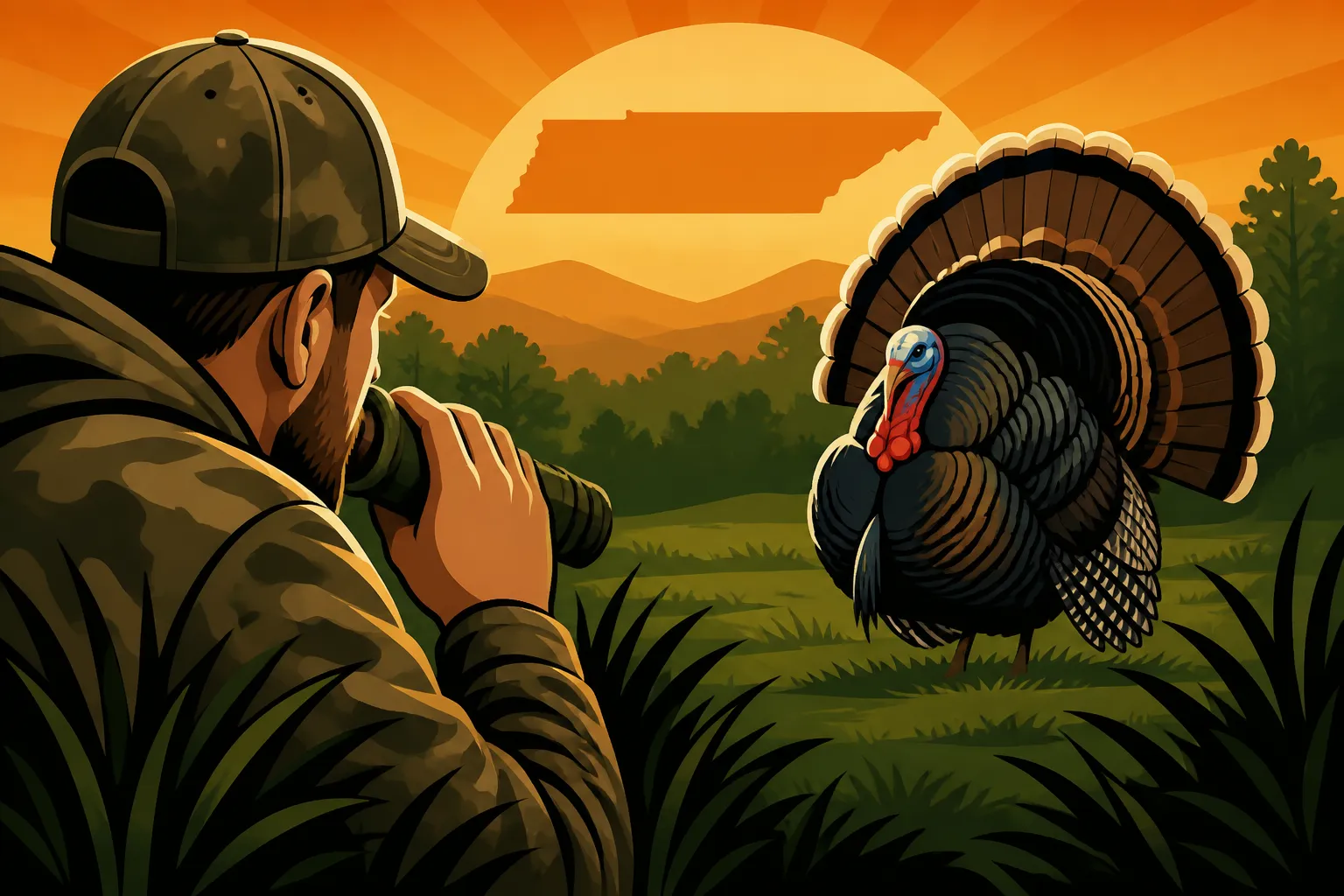
There's nothing quite like the silence of a cool Tennessee spring morning, just before dawn breaks, waiting for that first distant gobble. But often, that silence can be deafening, leaving you wondering if any birds are even in the area. That's where locator calls become your best friend, slicing through the stillness to provoke a response from those tight-lipped gobblers and giving you a starting point for your hunt. This guide is all about mastering these invaluable tools to put you in a better position to fill your tag this spring.
Understanding Locator Calls and Their Purpose
Locator calls are essentially a hunter's way of "knocking on the door" to see if anyone's home, without revealing themselves as a potential threat. Instead of mimicking a hen turkey, which can sometimes make a wary gobbler hang up or sneak off, locator calls imitate other common sounds of the wild that can agitate a gobbler into giving away his position. They're not designed to pull a bird in, but simply to get him to sound off so you know where to go next.
What Makes a Good Locator Call?
The best locator calls share a few key characteristics: they're loud, distinct, and mimic sounds that are natural to a turkey's environment but aren't turkey sounds themselves. Think sharp, piercing, or startling noises. The idea is to create a sound that a gobbler perceives as an intrusion or a challenge from another animal, triggering an instinctual response. A good locator call carries well through timber and over ridges, allowing you to cover more ground with your listening efforts. It's not about making a pretty sound; it's about making an effective sound that gets a reaction.
The Psychology Behind the Gobbler's Response
Why does a gobbler respond to a crow call or an owl hoot? It's largely territorial and instinctual. During the breeding season, gobblers are keen to announce their presence to hens and challenge other gobblers. When they hear a loud, unexpected sound from another creature, it can be just enough to trip that trigger, making them gobble in response. They're essentially saying, "I'm here, and this is my turf," without necessarily recognizing the source of the noise as a threat (like another turkey hunter). It's a primal reaction, and a savvy hunter uses this to their advantage, especially When Tennessee Gobblers Go Quiet in May.
When and Where to Use Them
Locator calls shine in several scenarios. Pre-dawn, while birds are still on the roost, is perhaps the most classic time. An owl hoot cutting through the darkness can often get a sleepy gobbler to sound off, pinpointing his tree. As the morning progresses and birds are on the ground, crow calls or hawk screams can be effective, especially when you're covering ground, trying to locate a bird that isn't actively gobbling. They're particularly useful in open areas where sound travels far, but also crucial in thick timber where visual scouting is impossible. You might be still-hunting along Cumberland Plateau Ridgelines and want to know if there's a bird working a nearby hollow without committing to loud hen calls.
Types of Locator Calls and How to Use Them Effectively
There's a diverse arsenal of locator calls available to the Tennessee turkey hunter. Each has its own strengths and ideal situations, and carrying a few different types can give you a significant edge, especially when dealing with pressured birds or varied terrain.
Owl Hooters
The owl hooter is a classic for a reason. Its deep, resonant "who-cooks-for-you, who-cooks-for-you-all" sound is incredibly effective in the low light of dawn and dusk. Gobblers often respond to real owls, so mimicking this sound feels natural to them.
- Usage: Start with soft hoots just as the sky begins to lighten, before full daylight. Direct your calls in different directions, listening intently for a reply. Once a bird gobbles, note his location and try to move in closer before he flies down from his roost. An owl hooter can be a real game-changer for Calling a Tennessee Gobbler Off the Roost.
- Technique Tip: Don't just blast it. Try varying your hoots, sometimes short and quiet, other times louder and drawn out. A soft, inquisitive hoot can sometimes get a response when a booming one might silence a wary bird. If you're using an app like GoHunt to scout, you can often pinpoint potential roosting areas beforehand, making your early morning setup even more efficient.
Crow Calls
Crow calls are probably the most common daytime locator. The loud, sharp "caw-caw" cuts through ambient noise, and gobblers often respond to real crows in their vicinity. It's a great tool for mid-morning when birds are on the ground and moving, but not necessarily gobbling on their own.
- Usage: Use a crow call when walking ridges, checking field edges, or prospecting new areas. A series of loud, sharp caws, then silence for a minute or two, can often provoke a response. Don't be afraid to be aggressive with it; crows are often loud.
- Technique Tip: Mimic a flock of excited crows. A rapid, varied cadence of caws can sound more natural than a single, monotone call. If you hear a distant gobble, hit the crow call again, then quickly set up, ready for the bird to commit.
Coyote Howlers and Hawk Screams
These are often overlooked but can be highly effective, especially on pressured birds that have heard every crow and owl call in the book. A coyote howl is startling and represents a potential threat, while a hawk scream can evoke a response simply because it's a loud, abrupt natural sound.
- Usage: Deploy a coyote howler during quiet periods in the mid-morning or afternoon. A lone howl, or a short series of yips and howls, can often make a gobbler sound off. Hawk calls are great for broad areas or when you want a sharp, cutting sound to carry.
- Technique Tip: For coyote howlers, keep it natural. A long, drawn-out howl followed by shorter yips works well. For hawk screams, a sharp, piercing cry is what you're after. These calls can sometimes get a "shock gobble" from a bird that wouldn't respond to anything else. Just like practicing your turkey calls, knowing how to mimic these effectively takes practice.
Shock Gobble Calls
A shock gobble call actually mimics a gobbler's own sound. While you might think this is too direct, it can sometimes work wonders. The idea is to challenge another gobbler so aggressively that he can't help but respond. It's definitely a high-risk, high-reward approach.
- Usage: Use these very sparingly, and generally only when you're confident there's a bird nearby that needs a strong provocation. It's not a search-and-find tool; it's a "wake him up" tool for a bird you suspect is in the area but silent.
- Technique Tip: Never use a shock gobble when you're actively trying to call a bird in, or if you're set up close to where you expect a bird to approach. It can intimidate a gobbler, making him hang up, or worse, come in silently and bust you. It's best used to locate a distant bird, then switch to subtle hen calls once you've closed the distance.
Here's a quick comparison of common locator calls:
| Call Type | Ideal Usage Time | Key Sound Characteristics | Pros | Cons |
|---|---|---|---|---|
| Owl Hooter | Pre-dawn, Dusk | Deep, resonant hoots | Highly effective on roosted birds | Less effective midday, can spook if overused |
| Crow Call | Mid-morning, Midday | Loud, sharp caws | Excellent for covering ground | Common, can be overused and ignored |
| Coyote Howler | Anytime | Long howls, yips | Unique, can provoke wary birds | Can be intimidating to some birds |
| Hawk Scream | Anytime | Sharp, piercing cry | Cuts through wind, unexpected | Less natural for some areas |
| Shock Gobble | Situational | Imitates gobbler | Can elicit strong, immediate response | High risk of scaring or busting birds |
Strategies for Maximizing Your Locator Call Success
Using a locator call isn't just about making noise; it's about making smart noise. Success often hinges on how you integrate these calls into your overall hunting strategy and how well you interpret the responses (or lack thereof). This is where experience and knowing the terrain, like Hunting West Tennessee Bottomland Deer or Hunting Cumberland Plateau Ridges, really come into play.
Listening to the Landscape
Your ears are your most important tool when using a locator call. After each call, fall silent and listen intently for a response. Pay attention to the direction, distance, and intensity of any gobble. Wind plays a huge role; a stiff breeze can carry your call further but also make it harder to hear a distant gobble. Thermal currents, especially in hilly terrain, can affect how sound travels. Mornings often have inversions that can make sounds carry surprisingly far. Using a mapping tool like GoHunt can help you understand the topography and anticipate how sound might travel in certain areas. Are you in a deep hollow, or on a wide-open ridge? Adjust your volume and call type accordingly.
The Art of Repetition and Silence
One of the biggest mistakes hunters make with locator calls is overcalling. If a bird responds, you've done your job; now it's time to plan your move. If you keep hitting that call, you risk educating the bird or making him wary. Silence is golden. Call once or twice, then listen for several minutes. If no response, move 100-200 yards and try again. Sometimes, a gobbler will wait a few minutes before responding, or he might gobble softly. Don't be impatient. Patience is critical, especially When Tennessee Gobblers Go Quiet in May.
Pairing Locators with Soft Turkey Calls
Once you've located a bird with a locator call, it's usually time to switch tactics. Move into position, then start with soft, seductive hen yelps or clucks. The locator call got his attention and told you where he was; now the hen calls are meant to seal the deal and bring him in. Don't immediately blast out aggressive hen calls after a locator call unless you know that particular bird is a hot one. Ease into it, building his interest without over-committing. This transition is key, and getting it right can mean the difference between a successful setup and a bird that hangs up just out of range.
Ethical Considerations and Pressure
Remember, locator calls are meant to locate, not to call a bird all the way in. Overuse, especially on public land, can educate birds quickly. If you hit a crow call and get a gobble, then immediately hear another hunter mimic your crow call, you know that area is getting pressured. Be mindful of other hunters, especially during busy times like Why Tennessee's Gun Opener Draws the Biggest Crowds or the statewide turkey opener. Respect boundaries and understand that constant, loud locator calling can disrupt other hunters' setups. If you locate a bird, approach cautiously and quietly. Sometimes, it's better to quietly slip in the direction of the gobble and then use soft turkey calls to finish the job, rather than continuing to use loud locators.
Common Mistakes and How to Avoid Them
Even seasoned hunters can make mistakes when it comes to locator calls. Avoiding these pitfalls can significantly increase your success rate and reduce the chances of educating those smart Tennessee gobblers.
Overcalling and Educating Birds
As mentioned, constant calling is a fast track to creating "call-shy" birds. Once a gobbler has responded to your locator call, you have the information you need. Subsequent loud calls from the same spot can signal danger. Imagine hearing the same loud noise over and over again from the same general area – you'd get suspicious too. Move, set up, and then switch to subtle hen vocalizations. Think of the locator call as a flashlight in the dark; you turn it on long enough to see what you need, then turn it off so you don't attract unwanted attention.
Calling Too Loudly or Too Softly for the Situation
Volume matters. If you're in open country with a stiff breeze, you might need to lean into that crow call. But if you're in a thick, quiet bottomland draw, a softer owl hoot or even a light series of clucks and purrs might be enough to get a close bird to gobble without sending him into orbit. Always assess your surroundings:
- Too Loud: Can spook close birds, especially if they haven't heard many loud noises yet that morning. It can also cause a bird to gobble once, then clam up, feeling overly pressured.
- Too Soft: You might simply not be heard, especially if there's any wind or background noise like flowing water in a creek bottom.
It's a fine line, but with practice and attention to the environment, you'll learn to modulate your volume. This intuition comes with experience, just like knowing Rattling Volume in Thick Cover for deer.
Not Waiting for a Response
The urge to call again immediately after the first call is strong, especially when you're anxious. Resist it! A gobbler might take 30 seconds, a full minute, or even longer to respond. He might be preening, strutting, or just deciding if he wants to reveal his position. Be patient. Listen for distant gobbles, even faint ones. Sometimes the echo off a ridge can be confusing. Take your time, focus your hearing, and let the woods tell you what's happening. Many hunters have walked past a bird that was about to gobble, simply because they didn't wait long enough.
Ignoring Environmental Factors
Environmental factors like wind, rain, and topography drastically impact how sound travels and how turkeys behave.
- Wind: Wind is a turkey hunter's biggest adversary. It muffles sounds, making it hard for you to hear a gobble and for the turkey to hear your call. On windy days, you might need to call louder or move to more sheltered areas.
- Rain: Rain often silences turkeys, making locator calls less effective. Birds often stay roosted longer or move less on rainy days.
- Topography: Deep hollows can trap sound, while open ridges can let it carry for miles. Understanding the lay of the land, perhaps by consulting detailed maps, is crucial. A mapping tool from GoHunt, for example, can show you terrain features like contour lines and elevation changes, helping you predict sound travel. If you're hunting along Reading a Ridge for East Tennessee Deer, knowing where the saddles and draws are can help you direct your calls effectively.
By mastering these locator call techniques and avoiding common mistakes, you'll greatly improve your chances of putting a Tennessee gobbler in your sights this spring. It's a skill that takes practice, but the rewards of a perfectly executed hunt are well worth the effort.
Disclaimer
This article is for general informational purposes only and does not constitute professional advice. Laws, prices and regulations vary by location and change over time. Consult a qualified professional for guidance on your specific situation.