Bear Hunting Gear in Cherokee Forest
Stepping into the vast, rugged terrain of the Cherokee National Forest to hunt bear is an experience unlike any other, but it's also incredibly demanding. The steep ridges, dense rhododendron thickets, and ever-changing mountain weather can quickly turn a hopeful day into a challenging ordeal if you're not properly equipped. This guide is dedicated to helping you sort through the essential gear you'll need to stay safe, effective, and successful when pursuing black bear in Tennessee's majestic eastern mountains.
Rifles and Ammunition for Mountain Bears
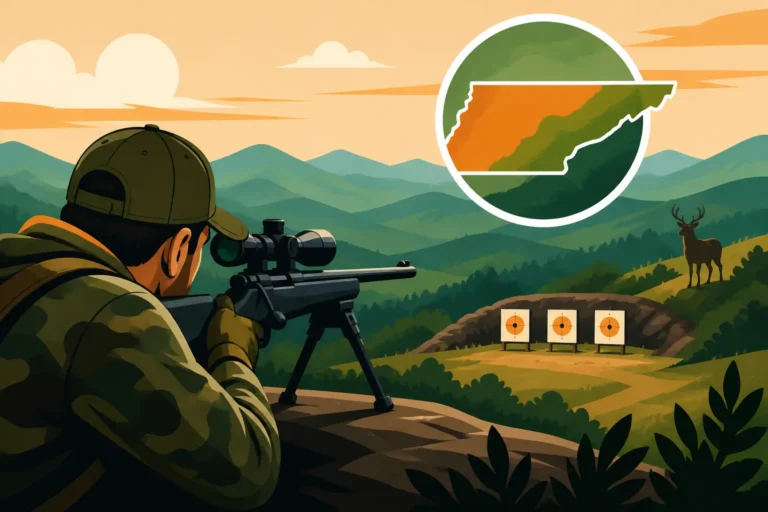
When you're out chasing bear in the Cherokee National Forest, your rifle isn't just a tool; it's an extension of your commitment to an ethical hunt. The terrain can be unforgiving, with shots ranging from close-quarters in thick timber to longer distances across a hollow. What you carry needs to be powerful enough to anchor a substantial animal and reliable enough to function flawlessly when it matters most.
Choosing the Right Caliber and Action
The black bears in the Cherokee can grow quite large, and they possess a stout bone structure and dense muscle that demands a capable cartridge. While many deer calibers can take a bear, you really want something with a bit more punch to ensure a quick, clean kill, especially if you're dealing with a tough shot angle or a bear that's on the move in cover. Calibers like the .30-06 Springfield, .300 Winchester Magnum, or even the .338 Winchester Magnum are popular choices that offer plenty of energy. Don't be afraid to go a little heavier than you might for deer. A bolt-action rifle is almost always the preferred action for mountain hunting due to its inherent reliability, accuracy, and robust construction, which can withstand the bumps and scrapes of navigating tough terrain.
Consider the potential for follow-up shots in tight quarters. A fast-cycling action that you're comfortable with is crucial. While lever actions in powerful cartridges like the .45-70 Government are certainly effective up close, their effective range can be limited for those longer shots that sometimes present themselves on a steep mountainside. Ultimately, the best caliber is one you can shoot accurately under pressure, but leaning towards the heavier side for bear is always a wise move.
Ammunition: Bullet Construction and Weight
Once you've settled on a caliber, the right ammunition is paramount. Bear hunting isn't the time to skimp on bullet quality. You need a bullet designed for deep penetration and controlled expansion, capable of breaking through heavy bone and reaching vital organs. Premium bonded bullets, monolithic copper bullets, or partition-style bullets are excellent choices. These bullets maintain their weight and integrity much better than traditional cup-and-core bullets, reducing the risk of fragmentation and ensuring a more reliable wound channel.
Bullet weight also plays a significant role. For larger calibers, err on the side of heavier bullets for that caliber to maximize momentum and penetration. For example, if you're shooting a .30-06, a 180-grain or even 200-grain bullet would be a better choice for bear than a lighter 150-grain bullet commonly used for deer. Testing different loads at the range is crucial to find what your rifle shoots most accurately. You want to be supremely confident in your rifle and ammunition pairing when that opportunity finally presents itself in the dense timber of the Cherokee.
Optics for Navigating the Mountain Environment
Hunting bear in the Cherokee National Forest often means covering vast amounts of ground and constantly scanning broken terrain. While you might not be making ultra-long-range shots, having quality optics can be the difference between spotting a bear before it spots you, or confirming a legal animal from a distance. The right binoculars and rangefinder are invaluable tools in this environment.
Binoculars for Scanning Thick Cover
A good pair of binoculars is your primary scouting tool in the mountains. Whether you're cresting a ridge and glassing a distant clear-cut, or slowly working through a thick laurel patch, you need to be able to pick apart cover and identify movement. A 8×42 or 10×42 power binocular is generally ideal for bear hunting in the Cherokee. The 8x magnification offers a wider field of view, which is beneficial in dense timber, while 10x provides a bit more reach for open slopes or power line cuts.
Look for binoculars with excellent light transmission, especially important in the often-gloomy forests or during those crucial first and last hours of daylight. Durability and waterproofing are also non-negotiable. You'll be sweating, it might rain, and you'll undoubtedly bump them around. A rugged, fog-proof design will ensure they perform reliably no matter what the mountain throws at you. Keeping them on a comfortable harness will prevent neck strain and keep them accessible.
Rangefinders for Accurate Shot Placement
While most shots on bears in the Cherokee are likely to be within a few hundred yards, the undulating terrain can play serious tricks on your depth perception. A rangefinder is an indispensable piece of gear for accurately gauging distance, particularly when shooting up or down steep inclines. A laser rangefinder that accounts for angle compensation is highly recommended. This feature calculates the "shoot-to" distance, which is often shorter than the line-of-sight distance when shooting at extreme angles, helping you avoid over-shooting or under-shooting.
Imagine spotting a bear across a steep ravine. Is it 150 yards or 200? The difference can be critical for precise shot placement, especially on an animal with a vital zone that requires pinpoint accuracy. Even if you practice extensively, the adrenaline of a bear encounter combined with the deceptive mountain landscape can lead to misjudgments. A quick range check provides confidence and ensures you're putting your bullet exactly where it needs to go.
Clothing and Layering for Variable Mountain Weather
The weather in the Cherokee National Forest can be notoriously unpredictable, especially during bear season. You might start your day with a crisp, cool morning, only to find yourself sweating profusely during a steep climb by midday, and then facing a cold rain shower by afternoon. Proper layering is not just about comfort; it's about safety and maintaining your focus during a demanding hunt.
Base Layers for Moisture Management
Your base layer is the foundation of your entire clothing system, and its primary job is to manage moisture. Cotton is an absolute no-go; once it gets wet from sweat or rain, it stays wet, robbing your body of warmth and setting you up for hypothermia. Instead, opt for synthetic or merino wool base layers. Merino wool is fantastic because it's naturally odor-resistant, incredibly comfortable against the skin, and retains much of its insulating properties even when damp. Synthetic fabrics excel at wicking moisture away quickly and drying fast.
The thickness of your base layer will depend on the expected temperatures, but even on colder days, you'll still be sweating on those steep climbs. Having a good moisture-wicking layer helps keep you dry and comfortable from the inside out. This allows your other layers to do their job more effectively and prevents that chilling feeling once you stop moving. Hunting Where the Antlerless Limit Drops to Two also emphasizes the importance of comfort and stealth, which good base layers contribute to.
Mid-Layers for Insulation
The mid-layer is your insulation workhorse, providing the warmth you need without excessive bulk. Fleece, synthetic puff jackets, or even heavier merino wool pieces are excellent choices. The key is to have something easily packable and adjustable. You'll likely be shedding this layer during strenuous climbs and putting it back on when you stop to glass, sit, or field dress an animal.
Choosing a mid-layer that compresses well is a huge advantage when space in your pack is at a premium. Having multiple thinner mid-layers is often more versatile than one thick, bulky jacket, as it allows you to fine-tune your warmth levels. A lightweight fleece vest, for instance, can provide core warmth without restricting arm movement, which is essential for shouldering a rifle or navigating thick brush.
Outer Shell and Rain Gear
Your outer shell is your primary protection against the elements: wind, rain, and snow. In the Cherokee, a waterproof and breathable jacket and pants are non-negotiable. Mountain weather can turn on a dime, and being caught in a cold rain without adequate protection can quickly become dangerous. Look for shells made with durable, quiet fabrics that won't rustle loudly as you move through the woods.
The jacket should have a good hood that allows for peripheral vision and can accommodate a hat. Pit zips are a huge bonus, allowing you to dump excess heat quickly without having to remove the entire jacket. For pants, full-length side zippers are incredibly convenient for putting them on or taking them off over boots without having to undress completely. Remember, even if the forecast looks clear, always pack reliable rain gear; the mountains make their own weather.
Durable and Supportive Footwear
Your feet are your most valuable asset when bear hunting in the Cherokee. You'll be covering miles over uneven, steep, and often wet terrain. A high-quality pair of waterproof, ankle-supporting boots is absolutely essential. Look for boots with aggressive tread patterns for traction on slick leaves, wet rocks, and muddy slopes. A stiff sole provides stability on side-hills and helps prevent foot fatigue.
While comfort is paramount, prioritize durability and support. Boots with a waterproof membrane (like Gore-Tex or similar technologies) will keep your feet dry when crossing small creeks or pushing through dewy brush. Make sure your boots are well broken-in before your hunt to avoid blisters, which can quickly derail your efforts. Pairing them with good quality merino wool socks will help wick moisture and provide cushioning, adding another layer of comfort and protection to your invaluable feet. Packs for a Cherokee Forest Day Hunt also touches on the necessity of rugged footwear for extended time in the woods.
Essential Navigation and Communication Tools
Getting lost in the vastness of the Cherokee National Forest is a real and dangerous possibility if you're not prepared. Cell service is notoriously spotty or nonexistent in many areas, meaning you can't rely solely on your phone. Having redundant navigation systems and reliable communication methods is critical for both safety and successful hunting.
GPS Units and Topographic Maps
A dedicated handheld GPS unit, loaded with detailed topographic maps of the Cherokee National Forest, should be a primary piece of your navigation kit. These devices are robust, have excellent battery life, and often provide more precise location data than a phone. Mark your starting point, known trails, water sources, and any areas of interest or potential bear sign. Even better, learn how to use it proficiently before your hunt – practice marking waypoints and navigating off-trail in familiar territory.
Complementing your GPS unit with a physical, waterproof topographic map and a compass is non-negotiable. Electronics can fail due to battery depletion, impact, or water damage. A map and compass never run out of batteries and provide a critical backup. Take the time to learn basic land navigation skills with these tools. Understanding contour lines, identifying landmarks, and setting a bearing can literally be a lifesaver when all else fails. Apps like GoHunt offer incredible digital mapping capabilities, but always have a physical backup, especially in such remote areas.
Satellite Messengers and Two-Way Radios
Given the unreliable cell service, a satellite messenger or personal locator beacon (PLB) is an increasingly popular and highly recommended piece of gear. Devices like the Garmin inReach or Zoleo allow you to send and receive text messages via satellite, even when out of cell range. In an emergency, you can trigger an SOS signal that will alert search and rescue services to your exact location. This isn't just for emergencies; it allows you to check in with loved ones, providing peace of mind to those at home.
If you're hunting with a partner or in a group, two-way radios can be incredibly useful for short-range communication. FRS or GMRS radios allow you to coordinate movements, communicate sightings, or simply stay in touch without having to yell across a hollow. Just be aware of their limited range, especially in steep, broken terrain. Use them in conjunction with your GPS and satellite messenger for a comprehensive communication strategy. Even when Deer Drives With Three or Four Hunters are being planned, reliable communication is essential, and this applies to bear hunting as well.
Batteries and Power Management
All your electronic devices are useless without power. Carrying spare batteries for your GPS, headlamp, and any other battery-powered gear is crucial. For rechargeable devices, a portable power bank or solar charger can be invaluable for extending battery life, especially on multi-day hunts. Be mindful of cold weather, which can rapidly deplete battery performance; keep spare batteries close to your body heat.
Develop a strict power management strategy: turn off devices when not in use, reduce screen brightness, and only use necessary features. Before heading out, ensure all devices are fully charged and that you have fresh spares. This meticulous preparation ensures that your essential navigation and communication tools will be ready when you need them most in the rugged embrace of the Cherokee National Forest.
Processing and Recovery Gear for a Successful Bear Harvest
Taking down a black bear in the Cherokee National Forest is a significant accomplishment, but the work is far from over once the shot is fired. Bears are heavy, and the terrain is tough. Having the right gear for field dressing, butchering, and packing out your animal is just as critical as your hunting equipment.
Field Dressing Knives and Bone Saw
You’ll need a robust, sharp knife, or preferably a couple of them, for field dressing a bear. The skin and fat on a bear can be surprisingly tough, and a keen edge is necessary for clean work. Fixed-blade knives with a sturdy handle are generally preferred for their durability and ease of cleaning. Consider carrying a gut hook tool if you're comfortable with one, as it can make opening the cavity much easier and cleaner.
A small, packable bone saw can be a game-changer, especially if you plan to quarter the bear for easier transport. Sawing through the sternum or pelvic bone is much more efficient and less taxing than trying to cut through it with a knife. Keeping your knives sharp throughout the process is also vital; a small field sharpener or an extra, sharp blade (if using a replaceable blade system) can make a huge difference in efficiency and safety.
Game Bags and Pack Frame
Bears are large animals, and unless you're very close to a road (which is rare in the Cherokee), you'll likely need to quarter the animal and pack it out. Quality game bags are essential to protect the meat from dirt, insects, and drying out. Breathable, synthetic game bags are superior to cotton bags as they allow the meat to cool down while offering protection. Carry enough bags for all four quarters, backstraps, tenderloins, and any other meat you plan to salvage.
A robust pack frame is indispensable for packing out bear meat in steep terrain. These frames are designed to carry heavy, awkward loads more comfortably than a traditional backpack. Look for one with a good suspension system, padded hip belt, and strong lashing straps. Practice packing heavy loads with your frame before the hunt to ensure a proper fit and to get accustomed to the weight. Butchering a Deer at Camp might give you some ideas on meat handling, but bears are a whole different beast.
Weight Distribution and Recovery Strategy
Before you even head into the woods, have a clear recovery strategy. Think about the shortest path to a trail or road, even if it’s not the easiest. Mentally map out the steepest sections and potential obstacles. When you quarter a bear, try to distribute the weight as evenly as possible across the game bags and then onto your pack frame. Uneven loads will lead to fatigue, discomfort, and a higher risk of injury on rugged ground.
Consider bringing a small, lightweight tarp or heavy-duty garbage bags. These can be used to keep meat clean while processing on the ground, or to help slide heavy quarters over short distances before loading them onto the pack frame. Remember, hydration and nutrition are also crucial during this strenuous recovery phase. Have plenty of water and high-energy snacks readily available for yourself and any hunting partners assisting with the pack out.
Safety and Survival Essentials for Mountain Hunts
Hunting in the Cherokee National Forest is an incredible adventure, but it comes with inherent risks. Being prepared for emergencies and unexpected overnight stays is not just responsible hunting; it's a fundamental aspect of mountain survival. Beyond your hunting gear, a compact yet comprehensive survival kit is absolutely essential.
First-Aid Kit and Emergency Shelter
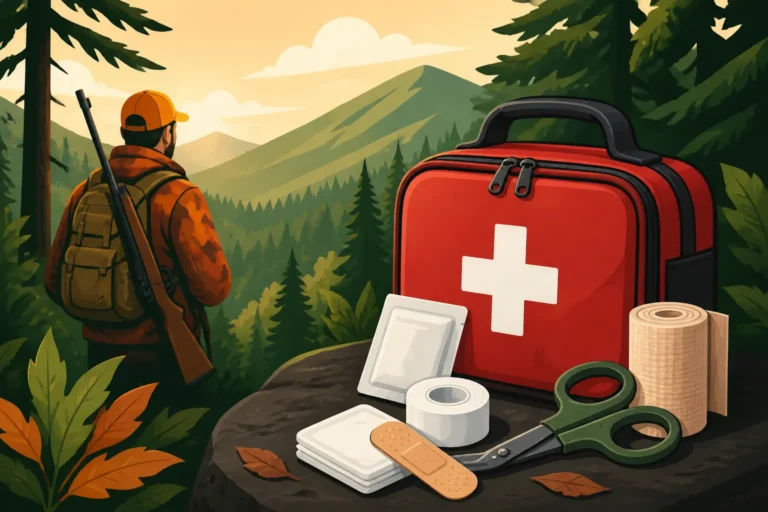
A well-stocked first-aid kit is non-negotiable. You’re often miles from the nearest road and hours from professional medical help. Your kit should include supplies for cuts, scrapes, blisters (a common ailment on long hikes), sprains, insect bites, and any personal medications. Consider taking a basic wilderness first-aid course to learn how to effectively use the contents of your kit. First Aid Kits for Remote Cherokee Forest Ground has more detailed information on what to carry.
In addition to your first-aid kit, carry a lightweight, compact emergency shelter. This could be a space blanket, an emergency bivy sack, or a lightweight tarp. An unexpected injury, a sudden change in weather, or simply getting turned around as darkness falls can force an unplanned overnight stay. Having a way to protect yourself from hypothermia and the elements is crucial. These items weigh very little but can make a world of difference in a survival situation.
Fire Starting and Signaling Tools
The ability to start a fire is a primary survival skill, offering warmth, a way to dry clothes, and a psychological boost. Carry multiple reliable fire starters: a waterproof lighter, waterproof matches, and a ferro rod. Include some tinder, such as cotton balls soaked in petroleum jelly, which is easy to ignite even in damp conditions. Practice starting fires with these tools in varying weather before your hunt.
Signaling for help is another critical component of mountain safety. A loud whistle is much more effective than yelling to attract attention. Additionally, carrying a small signal mirror can be used to alert search and rescue aircraft or other hunters over long distances. Remember, in emergency situations, the universal distress signal is three short blasts followed by a pause, repeated. Utilizing your satellite messenger as mentioned earlier is also a primary signaling tool.
Bear Spray and Carrying Methods
While black bears are generally not aggressive, encountering one at close range can be startling for both you and the bear. Carrying bear spray, and knowing how to use it, can provide a non-lethal deterrent in the event of a defensive encounter. Ensure your bear spray is easily accessible, typically carried on your hip or chest harness, not buried in your pack.
Understanding the difference between bear spray and personal pepper spray is important; bear spray has a much larger dispersal pattern and longer range. While you're primarily in the woods to hunt, an unexpected encounter can happen, and having a plan and a tool for deterrence can provide peace of mind. Familiarize yourself with how to deploy it quickly and safely.
Specialized Gear for Hound Hunting
Many bear hunters in the Cherokee National Forest utilize hounds, a traditional and effective method for pursuing black bears in the rugged mountain terrain. This approach requires its own specialized set of gear, focused on canine safety, tracking, and communication across vast distances. Running Hounds for Cherokee Forest Bears provides deeper insight into this unique hunting style.
GPS Dog Collars and Tracking Systems
For hound hunters, reliable GPS dog collars are perhaps the most critical piece of equipment. These collars transmit the dogs' locations to a handheld receiver, allowing hunters to track their pack's movements, speed, and whether they are "treed" or "bayed." Look for robust, waterproof collars with long battery life that can withstand the abuse of running through thick brush and over rocky terrain. Brands like Garmin are very popular, offering integration with detailed mapping and satellite imagery, helping you keep tabs on your dogs, and even your own location in relation to them, in real-time. GoHunt's detailed maps can be used to plan out potential dog releases or anticipate where a chase might lead.
The handheld receiver unit needs to be durable, easy to read, and have sufficient range to maintain contact with dogs that might be miles away. Many systems also include training features, such as audible tones or static corrections, which can be useful for directing dogs or reinforcing commands. Keeping spare batteries for both collars and the handheld unit is absolutely essential, as a lost dog in the Cherokee can be incredibly difficult to recover without functioning GPS.
Protective Vests for Hounds
Running hounds through the dense, thorny thickets and over rocky ground of the Cherokee exposes them to significant risks. Protective vests for your dogs are a wise investment to guard against cuts, scrapes, and punctures from briars, sharp rocks, and even other animals. These vests are typically made from durable, cut-resistant materials like Cordura or aramid fibers (Kevlar).
The vests should be well-fitted to prevent chafing and allow for full range of motion. Some vests even include reflective strips or bright colors to aid visibility, which can be helpful if a dog gets separated from the pack or needs to be located in low light. While no vest can offer 100% protection against every hazard, they significantly reduce the likelihood of serious injury, allowing your valuable hunting partners to perform their best and return safely.
Canine First-Aid and Hydration
Just as you carry a first-aid kit for yourself, a specialized kit for your dogs is crucial. This should include items for treating cuts, paw pad injuries, sprains, and any other common ailments hounds might experience in the field. Carry vet wrap, antiseptic wipes, pain relievers (as recommended by your vet), and even a small splint. Knowing basic canine first aid can be invaluable for stabilizing an injured dog until you can get them to professional care.
Hydration is also paramount for active hounds. Carry sufficient water and a portable bowl for your dogs, especially during warmer hunts or if the chase is long and arduous. Dogs can quickly become dehydrated, impacting their performance and overall health. Providing water stops during the hunt, or having a plan to rendezvous with a vehicle carrying water, is a responsible practice for any hound hunter.
Scouting and Trail Camera Essentials
Successful bear hunting, especially in a challenging environment like the Cherokee National Forest, often begins long before opening day. Scouting is critical to understanding bear movements, identifying food sources, and pinpointing potential ambush sites. Trail cameras play a significant role in this process, providing invaluable intelligence when you can't be in the woods.
Maps and Aerial Imagery for Pre-Season Planning
Before you even set foot in the woods, immerse yourself in maps. Detailed topographic maps (both paper and digital) combined with high-resolution aerial imagery are your best friends. Look for key terrain features that bears often utilize: thick clear-cuts for bedding, dense creek bottoms for travel corridors, and oak ridges for mast production. Pay attention to changes in elevation, saddles, and funnels that could concentrate bear movement. Scouting Tennessee Public Land Before Season delves into this more for deer, but the principles are the same for bears.
Services like GoHunt's mapping platform allow you to overlay different map layers, mark waypoints, measure distances, and visualize the terrain in incredible detail. Use these tools to identify potential access points, plan your routes, and pinpoint areas that look promising for bear sign. Identifying natural food sources like acorns, persimmons, and berries is crucial, as bears will follow these seasonal food cycles.
Durable and Secure Trail Cameras
Once you've identified promising areas on your maps, it's time to deploy trail cameras. In the Cherokee, your cameras need to be robust and secure. Look for cameras with fast trigger speeds and good recovery times to capture fleeting bear movements. Battery life is also a key consideration, as you may leave cameras out for extended periods.
Security is paramount on public land. Use security boxes or cable locks to protect your cameras from theft or tampering. Position cameras strategically along trails, near known food sources, or at the edges of thick cover. Placing them high and angled down can make them less noticeable to both humans and curious bears. Check your local regulations for trail camera usage on public land, as rules can vary.
Understanding Bear Sign and Patterns
Trail cameras don't just tell you a bear is there; they can help you understand when and how bears are using an area. Pay attention to the time of day bears are active, their travel routes, and if they are consistent in their movements. Look for rub trees, scat, and tracks to confirm their presence on the ground. When reviewing photos, consider the size and sex of the bears you're seeing.
If you're hunting an area known for natural mast production, your cameras can help you pinpoint which oak trees are dropping acorns. Bears can quickly deplete a food source, so continuous scouting and camera monitoring throughout the season can help you stay on top of their movements. Combining trail camera intelligence with your map knowledge and on-the-ground scouting will significantly increase your odds of success in the challenging Cherokee National Forest.
Conclusion
Hunting black bear in the Cherokee National Forest is an adventure that tests both your skill and your preparedness. From the power of your rifle and the clarity of your optics to the layers of clothing protecting you from the elements and the precision of your navigation tools, every piece of gear plays a vital role. Whether you're still-hunting silent ridges or tracking with a pack of hounds, prioritizing safety, efficiency, and reliability in your gear choices will make your time in Tennessee's mountains more enjoyable and ultimately, more successful. Remember that the mountains demand respect and meticulous preparation, and with the right equipment, you'll be ready to answer their call.
Essential Bear Hunting Gear Checklist
| Category | Item | Key Considerations |
|---|---|---|
| Firearms & Ammo | Rifle | .30-06, .300 WM, .338 WM; bolt-action; accurate |
| Ammunition | Premium bonded, monolithic, or partition bullets; heavier grain weight | |
| Scope | Durable, clear optics, good low-light performance | |
| Optics | Binoculars (8×42 or 10×42) | Waterproof, fog-proof, excellent light transmission, comfortable harness |
| Rangefinder (angle compensating) | Fast, accurate, durable | |
| Clothing & Layers | Base Layers (Merino or Synthetic) | Moisture-wicking, odor-resistant, quick-drying |
| Mid-Layers (Fleece or Synthetic Puff) | Insulating, packable, easily adjustable warmth | |
| Outer Shell (Waterproof/Breathable) | Quiet, durable, good hood, pit zips, full-zip pants | |
| Boots | Waterproof, ankle support, aggressive tread, well broken-in | |
| Socks (Merino Wool) | Moisture-wicking, cushioned, blister prevention | |
| Navigation & Comm. | GPS Unit w/ Topo Maps | Durable, long battery life, pre-loaded maps, practiced use |
| Physical Topo Map & Compass | Waterproof, laminated, practiced navigation skills | |
| Satellite Messenger/PLB | Two-way text, SOS function, reliable, charged | |
| Two-Way Radios (FRS/GMRS) | Short-range comms, charged (for group hunts) | |
| Headlamp | Bright, reliable, spare batteries | |
| Portable Power Bank & Spare Batteries | Charged, cold-weather considerations | |
| Processing & Recovery | Field Dressing Knives | Fixed blade, sharp, sturdy, possibly gut hook |
| Bone Saw | Compact, packable, efficient for quartering | |
| Game Bags | Breathable, synthetic, enough for all meat | |
| Pack Frame | Robust, good suspension, padded hip belt, practiced heavy loads | |
| Heavy-Duty Garbage Bags/Tarp | Keep meat clean, aid in sliding | |
| Water & High-Energy Snacks | Essential for recovery phase | |
| Safety & Survival | First-Aid Kit | Comprehensive, includes personal meds, wilderness first-aid knowledge |
| Emergency Shelter | Space blanket, bivy sack, or lightweight tarp | |
| Fire Starters | Waterproof lighter, matches, ferro rod, tinder (multiple options) | |
| Whistle & Signal Mirror | For signaling for help over distance | |
| Bear Spray | Easily accessible, know how to use | |
| Hound Hunting (Specific) | GPS Dog Collars & Receiver | Durable, waterproof, long battery life, mapping integration (GPS Collars for Bear Hounds) |
| Protective Vests for Hounds | Cut-resistant, well-fitted, visible | |
| Canine First-Aid Kit | For dog injuries, medications | |
| Water & Portable Dog Bowl | For hound hydration | |
| Scouting & Misc. | Trail Cameras | Durable, secure, fast trigger, long battery life |
| Security Locks for Cameras | Cable lock, security box | |
| Backpack (Day Pack) | Comfortable, sufficient capacity for essentials (Packs for a Cherokee Forest Day Hunt) | |
| Rope/Cord | General utility |
Disclaimer
This article is for general informational purposes only and does not constitute professional advice. Laws, prices and regulations vary by location and change over time. Consult a qualified professional for guidance on your specific situation.