Lake County Public Hunting Ground
For hunters in the far western reaches of Tennessee, particularly those eyeing Lake County, the quest for accessible public land can feel like navigating a maze of water, private fields, and heavily managed properties. It’s a distinct challenge compared to the vast national forests or large WMAs found elsewhere in the state. This guide is here to cut through the confusion and highlight the specific public hunting opportunities available in Lake County, offering practical advice to make your next trip successful and hassle-free.
Unveiling Lake County's Public Hunting Potential
Lake County, nestled right against the Mississippi River, presents a very unique hunting environment in Tennessee. It's not the rolling hills of the Cumberland Plateau or the deep timber of the Cherokee National Forest. Instead, you're looking at a landscape dominated by water, agriculture, and floodplains, all contributing to a rich, if sometimes challenging, public hunting experience.
The Landscape: Water, Fields, and Limited Uplands
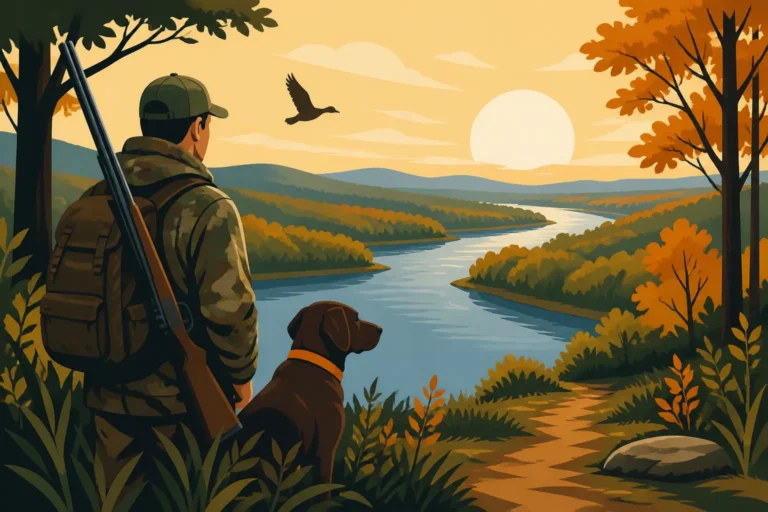
When you picture hunting in Tennessee, you might think of dense hardwoods and steep ridges. Lake County flips that script entirely. Here, the landscape is largely defined by the mighty Mississippi River to the west and the iconic Reelfoot Lake. This means vast expanses of flooded timber, cypress swamps, and open water, interspersed with agricultural fields – primarily corn and soybeans. The uplands are few and far between, and much of the dry ground is privately owned. This unique topography funnels game into specific areas and often dictates the style of hunting you’ll be doing.
Imagine standing on the edge of a vast sheet of water, ancient cypress trees rising like sentinels from the depths, their knees breaking the surface. The air is still, save for the rustle of leaves and the distant calls of waterfowl. This isn't just a picturesque scene; it's your hunting grounds. The limited elevation changes mean that thermals play less of a role, but wind and water currents become paramount. You'll spend more time considering boat access, waders, and mud than scouting for ridgeline funnels. It’s a different kind of wild, one that demands specialized gear and a deep understanding of waterfowling and bottomland deer behavior. If you're used to scouting deer in high country, you'll be reading different signs here, focusing on edges where water meets dry ground or where cover provides refuge in often open agricultural settings.
Primary Game Species for Lake County Hunters
Given the wetland-dominated landscape, it should come as no surprise that waterfowl are the star attraction in Lake County. Ducks and geese descend upon Reelfoot Lake and the surrounding flooded fields by the thousands during migration, making it a bucket-list destination for many waterfowlers. You'll find a mix of mallards, gadwall, teal, widgeon, and various diving ducks utilizing the unique habitat. Tennessee Waterfowl Zones and Seasons can give you a better idea of when these birds are moving through.
But it's not just ducks. While deer populations might not be as dense or the buck quality as renowned as some other parts of West Tennessee, there are still healthy numbers of whitetails, especially in the patches of timber and brush that border agricultural fields and the lake's edges. Hunting these areas often involves different tactics than in other regions, leaning more towards Hunting West Tennessee Bottomland Deer strategies or Setting Up on a West Tennessee Field Edge. Small game such as squirrels and rabbits can also be found in the remaining hardwood tracts, offering opportunities outside of big game or bird seasons. Predator hunting for coyotes is also an option, particularly around the agricultural interfaces where they seek rodents and other small prey.
Navigating Reelfoot Lake Wildlife Management Area
When discussing public hunting in Lake County, all roads lead to the Reelfoot Lake Wildlife Management Area. This extensive WMA is the primary public access point for hunters in the county and is world-renowned for its waterfowl hunting. However, gaining access and understanding its specific rules can be a bit of a learning curve.
Understanding Reelfoot Lake WMA Access and Permits
Reelfoot Lake WMA isn't just a "show up and hunt" kind of place, especially for waterfowl. The management here is specific and designed to manage the immense pressure and unique habitat. For deer and small game, general statewide regulations and licenses typically apply, though always double-check the specific WMA regulations for any special seasons or restrictions.
For waterfowl, however, it gets more intricate. You'll need not only your regular Tennessee hunting license and migratory bird permits but also a specific Reelfoot Preservation Permit. This permit is unique to Reelfoot and helps fund the preservation efforts for this incredible natural resource. Understanding Getting a Reelfoot Preservation Permit is crucial before you even pack your calls. Many of the prime waterfowl hunting spots are accessed through a blind drawing system, which means you might be applying for specific days and locations well in advance. These draw hunts are highly competitive, reflecting the quality of the hunting experience. If you aren't drawn for a blind, there are still walk-in areas, but they require even more effort and often mean hunting from natural cover or setting up temporary blinds. Tools like onX Hunt can be incredibly useful here for understanding boundaries, navigating the complex waterways, and identifying potential access points for walk-in hunting if you're not in a drawn blind.
Duck Blinds, Flooded Timber, and Field Hunting Opportunities
The diversity of hunting within Reelfoot Lake WMA is a significant draw. The most iconic form is hunting from the permanent duck blinds scattered across the lake and within the flooded timber. These blinds are typically well-maintained, but drawing a good one can make or break your hunt. Hunters drawn for a specific blind are usually responsible for setting their own decoys and ensuring they have all necessary gear for the day. For those without a blind draw, opportunities exist in designated walk-in areas within the Hunting Reelfoot's Flooded Cypress Timber. This type of hunting is physically demanding, requiring waders, a good understanding of water depth, and the ability to set up decoys in challenging conditions.
Beyond the water, certain sections of Reelfoot WMA, or adjacent smaller public land tracts, offer field hunting. These are often cut corn or soybean fields where geese and sometimes ducks will feed. Layout Blind Hunting a Cut Cornfield is a common and effective tactic here, offering concealment in open areas. For deer hunters, the edges of these fields, where they meet timber or brush, can be productive. Setting up a ground blind or a strategically placed treestand near travel corridors between bedding cover and feeding areas is a solid approach. Always be mindful of other hunters, especially during overlapping seasons, and remember your blaze orange requirements. The mix of open water, flooded timber, and agricultural fields means you need to be versatile in your approach and prepared for various conditions, often within the same day.
Essential Strategies for Lake County Success
Hunting in Lake County, particularly around Reelfoot Lake, demands a different set of skills and preparations than hunting in other parts of Tennessee. The environment itself presents unique challenges, and recent wildlife health concerns add another layer of complexity.
Scouting and Preparation for Water-Centric Hunting
Successful hunting in Lake County, especially for waterfowl, hinges on meticulous scouting and preparation. You can't just drive up and expect to find birds. You need to understand their flight paths, feeding habits, and where they're resting. For walk-in areas or field hunting, pre-season scouting is non-negotiable. Look for signs of bird activity, such as droppings, tracks in the mud, and open water areas they prefer. Using mapping apps like onX Hunt or even tools from GoHunt can be invaluable for identifying key features like flooded timber pockets, shallow water flats, and field edges that might hold game. These digital maps allow you to mark potential roosting or feeding sites and plan your entry and exit routes, which can be particularly tricky in a flooded landscape. Scouting Tennessee Public Land Before Season becomes even more critical when water levels and access points can change rapidly.
Preparation also extends to your gear. Quality waders are essential. A reliable boat or even just a sturdy canoe or kayak might be necessary to reach many prime locations. Decoys, calls, and appropriate camouflage for the often-bright skies over the water or the stark backdrop of flooded timber are paramount. For deer hunters, understanding how deer navigate these water-logged environments is key. Look for high ground, natural bottlenecks between water bodies, and dense cover on slightly elevated humps within the bottomland. Be prepared for mud, mosquitoes, and potentially frigid temperatures if you're hunting late season. Your physical stamina will be tested, especially if you're hauling gear through marshy terrain or pulling a sled with a deer out of a wet bottom.
Dealing with West Tennessee's CWD Zone Requirements
Lake County, like many other counties in West Tennessee, falls within Tennessee's Chronic Wasting Disease (CWD) Management Zone. This is a serious consideration for any deer hunter heading to the area. CWD is an incurable, fatal neurological disease affecting deer, elk, and moose, and managing its spread is a top priority for wildlife agencies. Tennessee's Chronic Wasting Disease Management Zone outlines the regulations you need to follow.
The most critical regulation involves carcass transport. You generally cannot transport whole deer carcasses, or certain parts, out of the CWD zone. This means you must either debone your deer on-site or take it to a certified processing facility within the CWD zone before heading home. You'll need to know where the local CWD sampling stations are located and understand the requirements for submitting your harvest for testing, especially if you're participating in any "earn-a-buck" programs or bonus tag opportunities designed to help manage the disease. Carrying a good field dressing kit and being proficient at deboning a deer quickly and cleanly are essential skills here. Hunters have a responsibility to adhere to these rules to help protect the health of Tennessee's deer herd, and ignoring them can lead to significant penalties. Always check the latest TWRA regulations before your hunt, as CWD rules can be updated periodically.
General Public Land Etiquette and Safety
No matter where you hunt, public land comes with shared responsibilities. In an area as unique and often busy as Lake County, understanding and practicing good etiquette and prioritizing safety are crucial for everyone's enjoyment and well-being.
Respecting Boundaries and Fellow Hunters
Public hunting grounds, especially those that are popular like Reelfoot WMA, are shared resources. This means you'll likely encounter other hunters, whether they're setting up for ducks, still-hunting for deer, or just scouting. A core principle is respecting boundaries – not just legal property lines, but also personal space and established hunting spots. If someone is already set up in an area, give them a wide berth. A friendly wave or a quick, quiet chat from a distance can often prevent misunderstandings. Avoid setting up so close to another party that you're shooting over their spread or infringing on their hunting area. This goes double for noise; keep conversations, dog commands, and general movements to a minimum, especially in the early morning or late evening when game is most active.
Imagine you've spent hours setting up your decoy spread in the dark, and just as legal shooting light arrives, another hunter paddles right into your zone. It's frustrating, and it's easily avoidable with a bit of courtesy. The golden rule applies: hunt as you would want others to hunt around you. Be mindful of shot zones, especially with waterfowl, to avoid putting pellets in someone else's direction. Also, remember that not everyone is hunting the same species, so a deer hunter trying to be quiet might be annoyed by a loud group of duck hunters, and vice-versa. Open communication and a little common sense go a long way in ensuring everyone has a positive experience.
Safety Considerations in Marsh and Timber
Hunting in Lake County's marshy, water-filled environment presents unique safety challenges that differ significantly from upland hunting. Drowning is a real risk when navigating flooded timber, open water, or treacherous mud flats. Always wear a life jacket when in a boat, canoe, or even when wading in deep or swift-moving water. Be aware of submerged obstacles like stumps, logs, and hidden drop-offs. A sturdy wading stick can be a literal lifesaver, helping you gauge depth and stability.
Hypothermia is another serious concern, particularly during late-season waterfowl hunts. Even if the air temperature isn't freezing, prolonged exposure to cold water or damp clothes can rapidly reduce your body temperature. Dress in layers, use waterproof outer gear, and always carry extra dry clothes in a waterproof bag. It’s wise to let someone know your hunting plans, including your exact location and expected return time. Carry a fully charged cell phone (in a waterproof case!), a whistle, and a headlamp or flashlight, especially since getting lost in flooded timber can disorienting after dark. Blood Trailing After Dark in Tennessee can become an even more challenging endeavor in these environments, so consider these risks carefully. Additionally, be cautious of wildlife, particularly venomous snakes that might be found on higher ground or sunning themselves on logs during warmer periods. In this unique environment, planning for every contingency is not just smart; it's essential for your safety.
| Public Hunting Area | Primary Game Species | Main Challenges | Typical Access Methods | Special Permits Required |
|---|---|---|---|---|
| Reelfoot Lake WMA | Waterfowl (Ducks, Geese), Deer, Small Game | Water, mud, dense timber, competition | Boat, walk-in, designated blinds | Reelfoot Preservation Permit for waterfowl |
| Mississippi River Floodplain (scattered access points) | Deer, Small Game, Waterfowl (limited) | Private land boundaries, flooding | Boat, foot (check specific access) | Standard licenses only |
| Field Edges (private with permission) | Deer, Small Game, Turkey, Coyotes | Gaining access, crop schedules | Foot | Private permission, standard licenses |
Disclaimer
This article is for general informational purposes only and does not constitute professional advice. Laws, prices and regulations vary by location and change over time. Consult a qualified professional for guidance on your specific situation.