Scott County Elk Zone Public Land
Hunting for elk in Scott County, deep within Tennessee's beautiful but challenging North Cumberland region, is a dream come true for many. However, the sheer scale of the public land here, coupled with its rugged topography, can make finding and effectively hunting these majestic animals feel like an impossible puzzle. This guide will walk you through understanding Scott County's public land elk opportunities, how to navigate its vastness, and crucial strategies to increase your chances of a successful hunt.
Understanding Scott County's Place in the North Cumberland Elk Zone
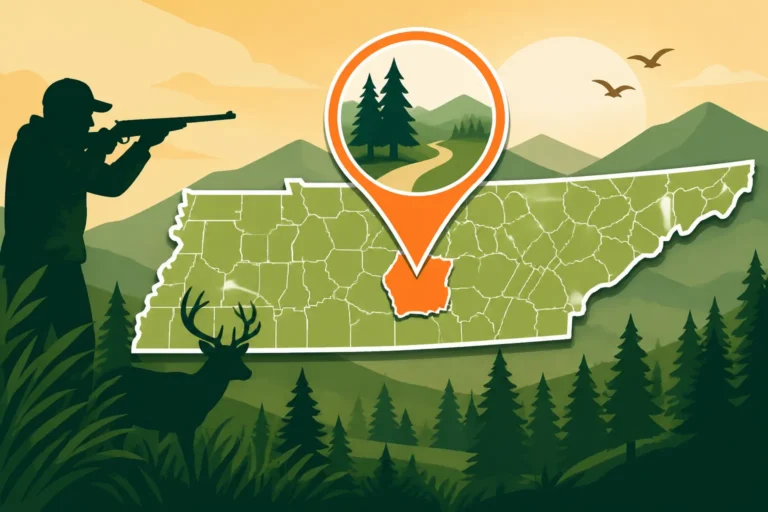
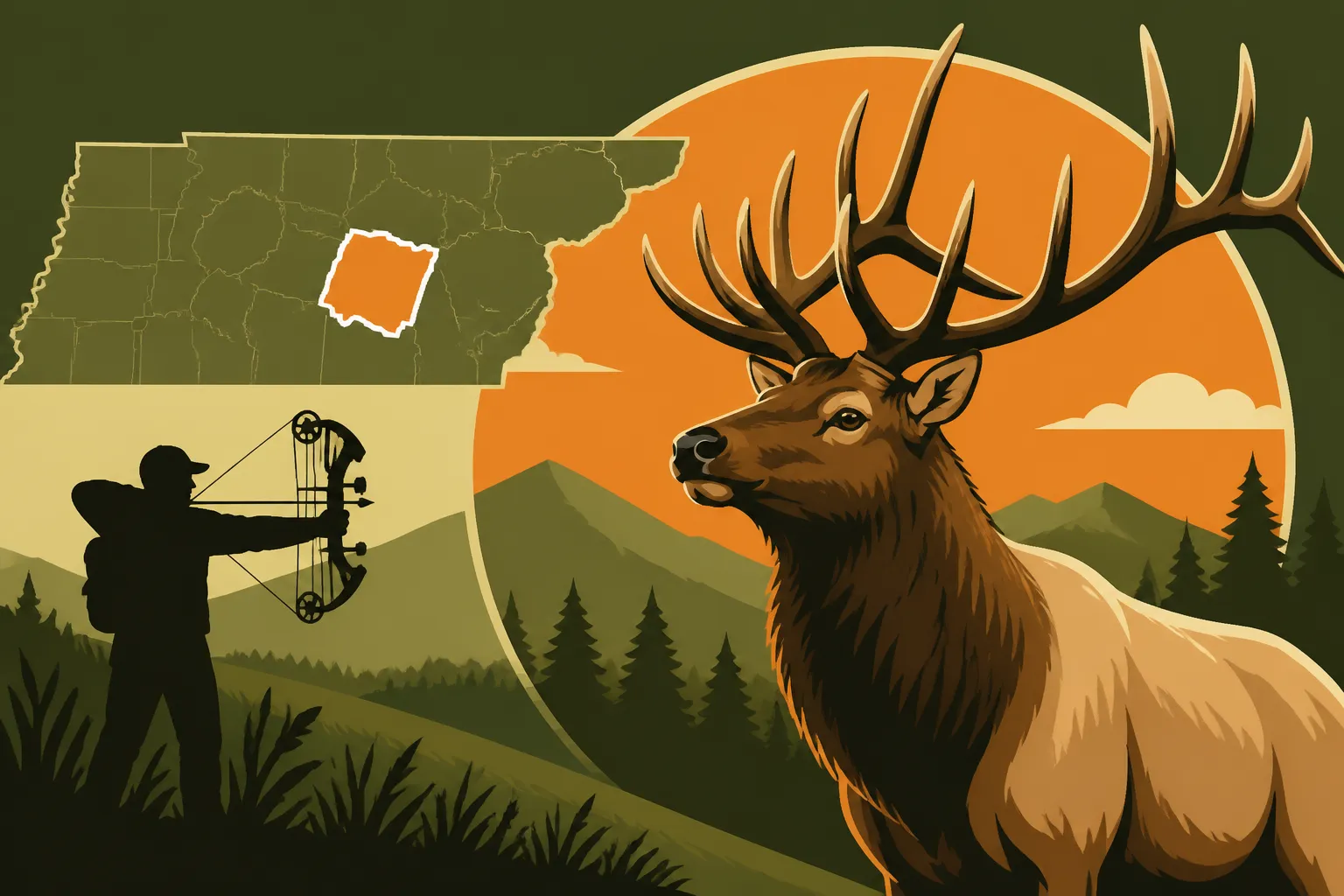
Scott County is a significant piece of the puzzle that makes up Tennessee's North Cumberland Elk Restoration Zone. This area represents a monumental conservation success story, bringing elk back to their historic range in the state. For hunters, it offers a truly unique experience, but it comes with its own set of rules and challenges that are vital to grasp before you ever set foot in the woods.
The Layout of the Elk Restoration Zone
The North Cumberland Wildlife Management Area (WMA), which spans multiple counties including Scott, is the heart of Tennessee's elk country. It’s not just one continuous block of land; it's a patchwork of state-owned properties, leased lands, and some private parcels interspersed throughout. For hunters drawn to Scott County, much of the public access is found within the boundaries of the North Cumberland WMA, particularly in areas like Royal Blue WMA and other managed tracts that fall within the designated elk zones. These areas are characterized by steep ridges, deep hollows, dense timber, and reclaimed mine lands that have, over time, transformed into excellent elk habitat. Understanding these boundaries and the diverse terrain they encompass is your first step. It's a vast wilderness, and elk are often found in surprising places, sometimes far from typical access points, making detailed scouting and mapping absolutely essential. You'll find elk feeding in grassy clearings and old mine reclamation areas, bedding down in thick stands of young timber on steep slopes, and traveling through the drainages and saddles that connect these areas.
Permit Requirements and Quota Hunts
Let's be real: getting an elk permit in Tennessee is tough. This isn't a walk-up-and-buy-a-tag kind of hunt. The Tennessee Wildlife Resources Agency (TWRA) manages the elk herd through a highly competitive quota hunt system. This means that to hunt elk in Scott County (or anywhere in the North Cumberland Elk Zone), you must be one of the lucky few drawn for a permit. These permits are specific to either archery-only or general firearms seasons and are allocated through an annual application process. The number of permits issued is intentionally low, designed to manage the herd for sustainable growth and to provide a high-quality hunting experience for those who are drawn. Don't let the low odds discourage you, though. Just applying is part of the tradition for many, and the dream of that tag keeps us all going. If you're serious about chasing elk in Tennessee, make sure you understand the application windows and requirements. You can find all the details on the Tennessee Elk Quota Hunt Rules and the Applying for a North Cumberland Elk Permit pages. It's important to remember that even if you're drawn, your permit will specify the particular hunt zone within the North Cumberland WMA where you're allowed to harvest an elk, so knowing your zone is paramount.
Navigating Public Land Access and Boundaries in Scott County
One of the biggest hurdles for any public land hunter, especially in a vast and rugged area like Scott County, is simply knowing where you can and cannot hunt. Mixed land ownership can create confusion and frustration, but with the right tools and a solid understanding of the regulations, you can navigate these challenges effectively.
Identifying Public Versus Private Land
The North Cumberland Elk Zone, while extensive, is not a monolithic block of public ground. You'll encounter a mosaic of public lands managed by the state, private timber company lands (some leased for hunting, some not), and individual private land holdings. This intermingling means that knowing property boundaries is non-negotiable. Trespassing, even accidentally, can ruin a hunt and damage landowner relations for everyone. Imagine tracking an elk for miles, only to realize its trail leads onto a posted private parcel you can't access – it's a gut punch, and it's easily avoidable with proper preparation. Take the time to study maps, identify public access points, and understand where the lines are drawn. Many hunters spend hours pouring over maps and aerial photos long before the season even opens, identifying potential access corridors and noting areas where public land might pinch down or be surrounded by private holdings. Remember, some private landowners might allow access if you ask, but never assume. Always seek explicit permission first.
Essential Mapping Tools for the Terrain
In today's hunting world, digital mapping tools are an absolute game-changer, especially for navigating complex public lands like those in Scott County. Gone are the days of solely relying on paper topo maps (though they still have their place as a backup!). Applications like onX Hunt provide incredibly detailed satellite imagery, topographic maps, and crucially, property boundary lines with landowner information, all right on your phone or GPS device. This is invaluable for knowing precisely where you stand, whether you're on public ground or approaching private property. You can mark waypoints for potential elk sign, water sources, bedding areas, and ideal stand locations. The ability to download maps for offline use is also critical, as cell service in the remote hollows of Scott County can be spotty at best. onX Layers for Tennessee Land Status are incredibly helpful for quickly discerning public from private. These tools allow you to analyze terrain features like elevation changes, creek bottoms, and ridge lines that elk often use for travel or bedding. Without such a robust mapping system, you're essentially walking blind in a landscape that demands precision and awareness.
| Public Land Challenge | Solution | Mapping Tool Use |
|---|---|---|
| Confusing Boundaries | Pre-season study of property lines. | onX Hunt shows real-time parcel ownership. |
| Limited Access Points | Identify public roads/easements. | Satellite imagery reveals logging roads, trails. |
| Rugged, Unfamiliar Terrain | Topographic maps, elevation profiles. | Contour lines, 3D views for route planning. |
| Spotty Cell Service | Download maps for offline use. | Crucial feature for remote areas. |
| Finding Elk Sign | Mark waypoints during scouting. | Pin droppers for rubs, tracks, droppings. |
| Dispersed Elk | Analyze habitat types across large areas. | Overlay public/private, timber cuts, food sources. |
Scouting and Planning for Elk Success
The old adage "you can't kill a big one from the couch" is particularly true for elk hunting in Scott County. Success here is rarely accidental; it's the culmination of diligent pre-season work, adapting to the specific challenges of the environment, and a deep understanding of elk behavior within their habitat.
Pre-Season Reconnaissance Tactics
If you're lucky enough to draw a tag, your work really begins. Pre-season scouting is paramount. This isn't just a leisurely walk in the woods; it's a dedicated search for sign, understanding travel corridors, and identifying potential bedding and feeding areas. Start by looking at aerial photos and topo maps from home, identifying natural funnels, saddles between ridges, and old clear-cuts or reclaimed mine sites that might offer preferred forage. Then, hit the ground. Focus on finding fresh tracks, droppings, rubs, and wallows. Elk are creatures of habit, and while they roam, they tend to use certain areas repeatedly. Look for these "elk highways" along creek bottoms, contour lines on steep hillsides, and transition zones between different types of cover. Pay close attention to water sources, especially during dry periods. Learning how to identify and interpret elk sign is a skill that comes with time and practice, but it's essential for figuring out where the animals are spending their time. Remember, elk are not deer; their sign is larger and more pronounced, and they often travel in groups, leaving behind a clear trail. Scouting Tennessee Public Land Before Season is a great resource for general scouting techniques that apply to elk as well.
Adapting to Mountainous Habitat
Scott County's terrain is no joke. It's steep, often heavily timbered, and can be physically demanding. Successful elk hunters here aren't just good callers or accurate shots; they're in shape and they understand how to hunt mountains. Elk utilize elevation to their advantage, often bedding high on benches or ridge lines where they have good visibility and can catch thermals rising in the morning and falling in the evening. This means you'll be doing a lot of climbing and descending, often quietly and slowly. Understanding wind direction and thermals is crucial. In the mountains, thermals will typically rise as the sun heats the ground in the morning and fall as it cools in the evening. Positioning yourself correctly to keep your scent from blowing towards the elk is vital. Also, the dense cover can make glassing challenging, so you'll need to develop techniques for still-hunting and listening for subtle sounds like snapping twigs or distant bugles. This isn't flat-land hunting, so pack light, dress in layers, and be prepared for strenuous physical activity. When you do find elk, they often won't be in wide-open meadows like you see out West; rather, they might be moving through dense timber or across old, overgrown clearings. Glassing a North Cumberland Elk Meadow will give you some tips, but remember to adapt those to the thicker Tennessee landscape.
Hunting Strategies for Scott County's Rugged Landscape
Once you've done your homework and drawn a tag, the real adventure begins. Hunting elk in Scott County requires a blend of patience, persistence, and the right tactics to overcome the challenges of the terrain and the elusive nature of the animals.
Effective Tactics for Elk Encounters
Elk hunting, especially during the rut, often involves a lot of calling. However, in heavily timbered and steep country, calling strategies can differ from those used in more open Western landscapes. You might need to be more aggressive with your cow calls and bugles to get a response, but also be mindful of over-calling. The elk here are wild, and they can be quite wary of hunters. Sometimes, a subtle cow chirp or a soft lost-calf call is all it takes to pique their interest. Often, a "run-and-gun" style of hunting, where you move from ridge to ridge, stopping to call and listen, can be effective. If you get a response, try to close the distance quickly and quietly, always playing the wind. Be prepared to set up quickly if an elk is approaching. Positioning yourself on a bench or saddle where elk might travel can also be highly effective, especially if you've identified these areas during your scouting. Still-hunting through dense timber, moving slowly and deliberately, pausing to scan and listen, can also pay off, particularly if you know elk are in the area but aren't responding to calls. Remember, elk are large animals, but they can move silently through the woods. Elk Calls and Cow Decoys can give you some starting points, but always practice and adapt to what the animals are telling you.
Gear Considerations for Mountain Hunting
The gear you bring into Scott County's elk country can make or break your hunt. Weight is a major factor when you're navigating steep terrain and covering many miles on foot. Focus on essential, high-quality items. Your pack should be capable of carrying not only your day hunt essentials but also expandable enough to pack out meat if you're successful. A good quality rifle, chambered in a caliber suitable for elk, is crucial. Rifles Built for a North Cumberland Elk Hunt will provide guidance on appropriate calibers. Optics are vital for scanning distant ridges and identifying elk, even in dim light, so invest in reliable binoculars and a rangefinder. Good boots, broken in and waterproof, are perhaps the most important item; your feet will thank you after miles of climbing. Layered clothing is also key, as temperatures can fluctuate dramatically from early morning chills to warm midday sun, and then back down quickly. Don't forget a reliable first-aid kit, enough water, and emergency shelter. The remoteness of some areas means you need to be prepared for self-sufficiency. Also, consider game bags and a means to carry out meat. Getting an elk down in a deep hollow is only half the battle; getting it out is often the harder part, and having the right equipment like a sturdy frame pack or game cart (for flatter sections) is essential.
Disclaimer
This article is for general informational purposes only and does not constitute professional advice. Laws, prices and regulations vary by location and change over time. Consult a qualified professional for guidance on your specific situation.