Hunting Land Between the Lakes Waterfowl
Land Between the Lakes waterfowl hunting challenges, diverse terrain, permit rules, and seasonal migration patterns explained.
Close the distance.
Archery, muzzleloader, and firearm techniques — calling, stand placement, still-hunting, spot-and-stalk, and the weapon rules that change at the state line.
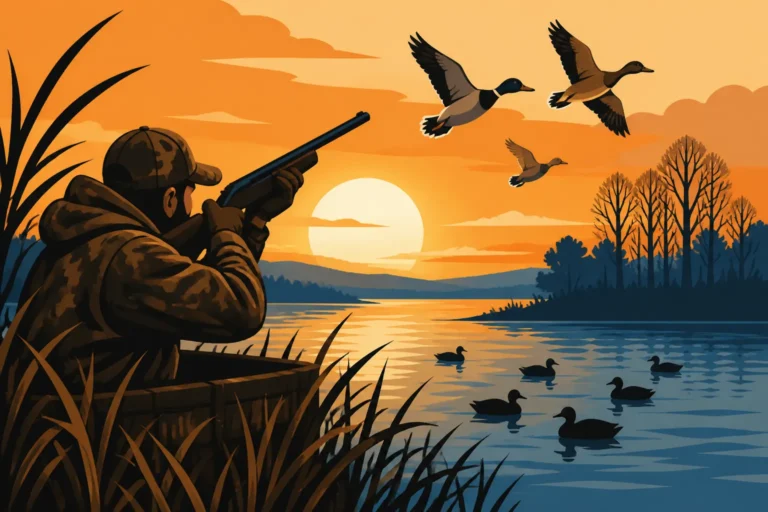
Land Between the Lakes waterfowl hunting challenges, diverse terrain, permit rules, and seasonal migration patterns explained.
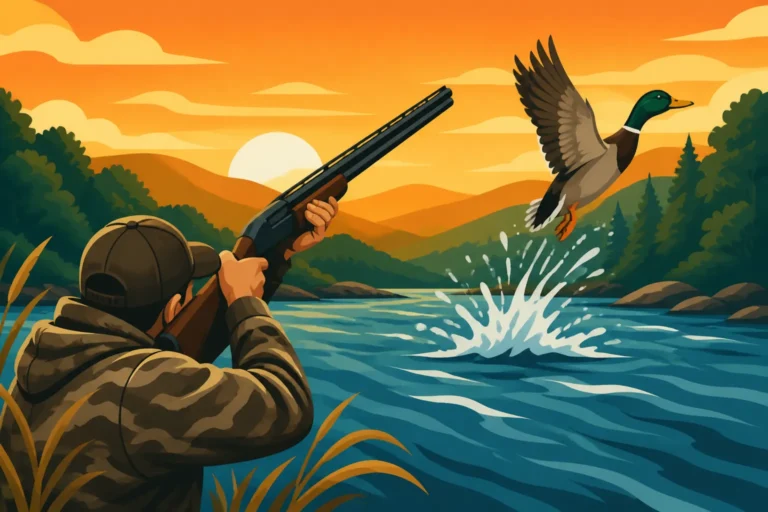
Jump-shooting waterfowl along Tennessee rivers provides hunters an independent method to find ducks and geese without crowded blinds.
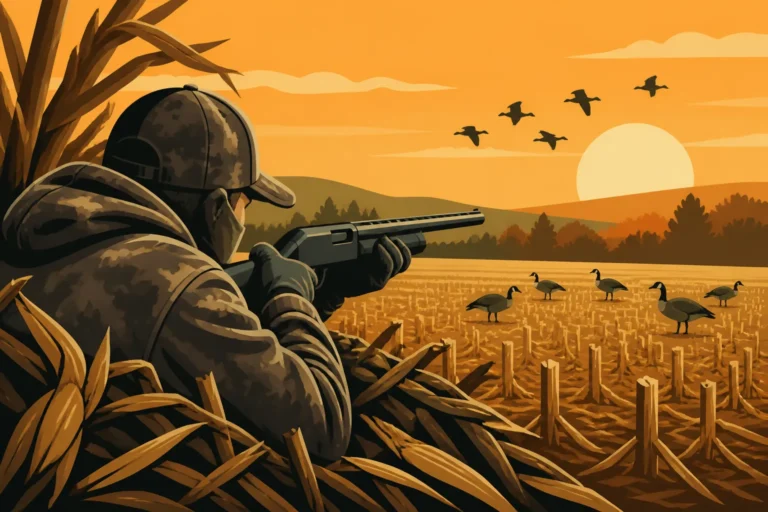
Layout blind hunting in Tennessee cut cornfields uses low-profile concealment and scouting tactics to bag ducks and geese.
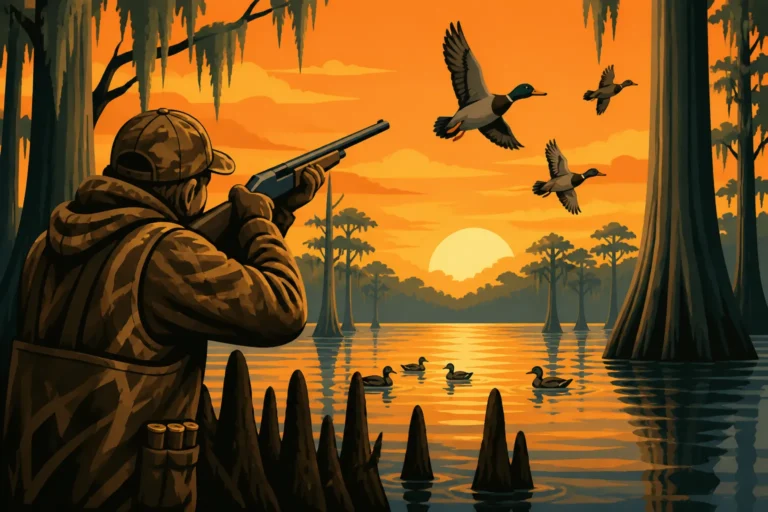
Waterfowl hunting in Reelfoot Lake requires navigating flooded cypress timber, understanding migration patterns, and using specialized flat-bottomed boats.

The Reelfoot Preservation Permit funds habitat management and wildlife surveys for waterfowl hunters on Tennessee Wildlife Resources Agency waters.

Tennessee beagle owners learn to locate prime cottontail habitats, scout edge cover, and track seasonal rabbit movements.

Tennessee cottontail rabbits in dense brush provide effective hunting strategies and habitat indicators for finding small game.

Acorn cuttings under Tennessee oak trees reveal white-tailed deer feeding patterns and fresh wildlife sign for hunters to find.

Squirrel hunting along Tennessee oak ridges requires understanding seasonal acorn drops, feeding cuttings, and travel routes.
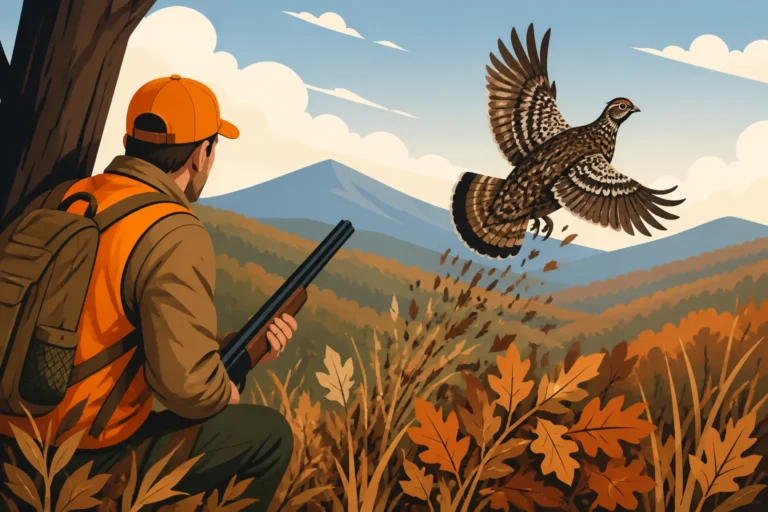
Ruffed grouse hunting in Tennessee without a dog explains how to find and harvest birds on foot within Cherokee National Forest.