Elk Viewing in the North Cumberland Zone
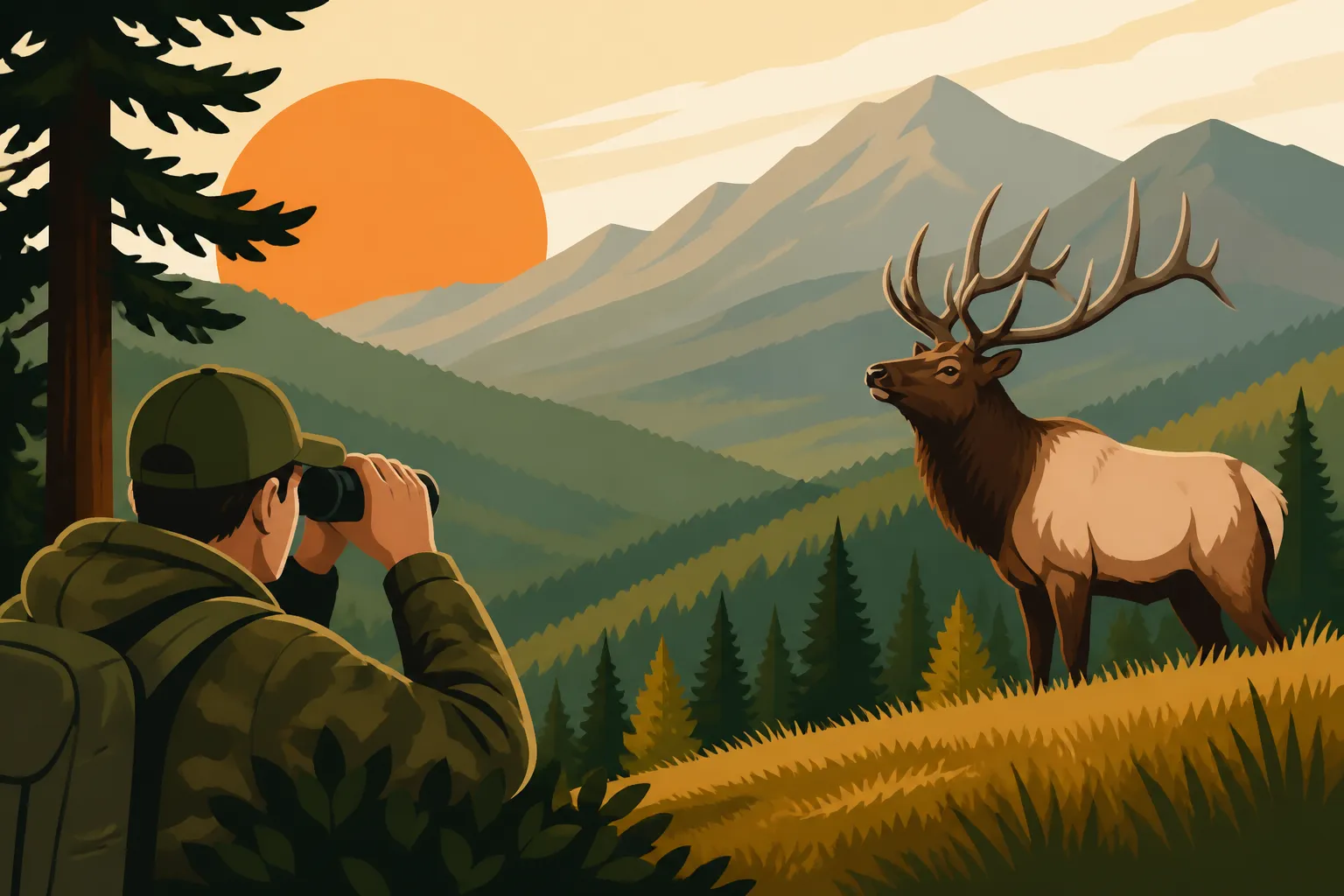
There's nothing quite like the majestic sight of a wild elk, their massive antlers catching the sun, or the haunting sound of a bull's bugle echoing through the mountains. For many, simply witnessing these magnificent creatures in their natural habitat is a bucket-list experience, but knowing where to go and when to increase your chances can be a real head-scratcher. This comprehensive guide is designed to help you navigate the stunning North Cumberland Wildlife Management Area, pinpointing the best opportunities for incredible elk viewing in Tennessee, all while ensuring you have a safe and respectful encounter.
The North Cumberland Zone: Home to Tennessee's Wild Elk
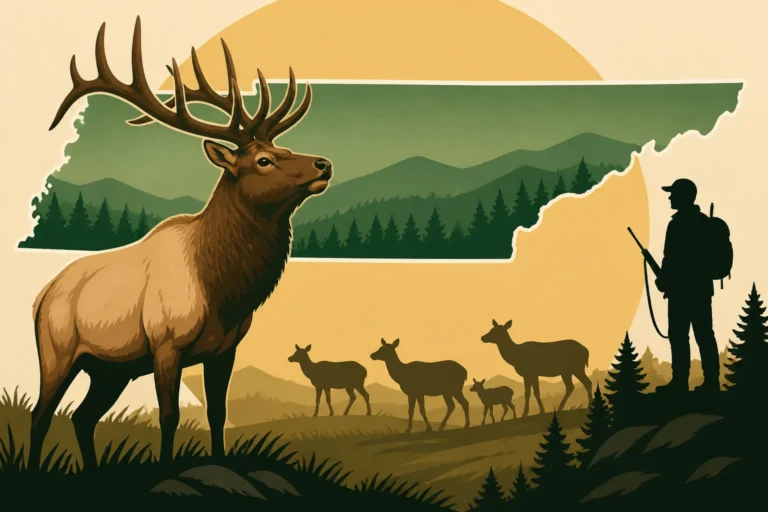
The North Cumberland Wildlife Management Area (NCWMA) isn't just a place; it's a living testament to a remarkable conservation success story. Spanning over 150,000 acres across five counties—Campbell, Claiborne, Scott, Morgan, and Anderson—this vast expanse of rugged mountains and reclaimed strip mines is the heart of Tennessee's elk country. It's where you'll find the highest concentration of the state's reintroduced elk herd, offering unparalleled opportunities for observation.
A Brief History of Elk Restoration in Tennessee
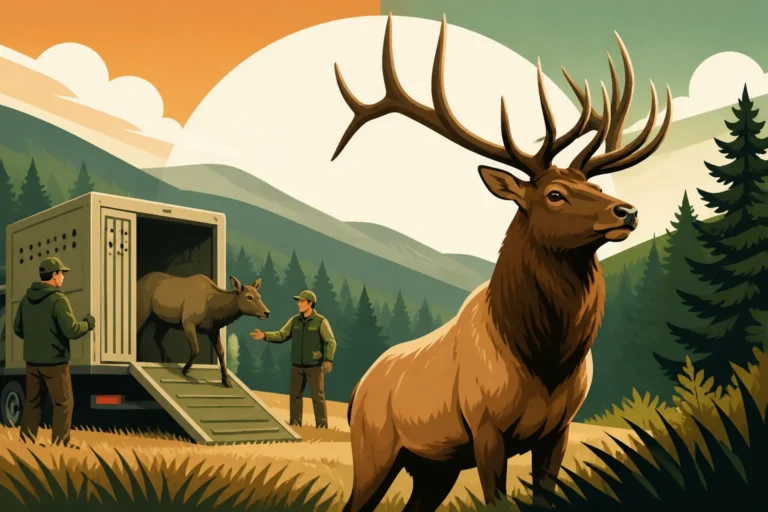
Imagine a Tennessee wilderness without elk. For over 150 years, that was the reality. Native elk herds were extirpated from the state by the mid-19th century due to unregulated hunting and habitat loss. However, thanks to the tireless efforts of the Tennessee Wildlife Resources Agency (TWRA) and various conservation partners, elk were brought back. The journey to bring elk back to the Cumberland Mountains began in 2000, with the first translocation of animals from Canada and other states. It was a massive undertaking, filled with challenges, but the vision was clear: to restore an iconic species to its historical range.
Since then, the herd has grown steadily, adapting to the unique mountainous terrain of the North Cumberland. This restoration project has created a vibrant ecosystem where elk thrive, providing not just hunting opportunities but also incredible viewing experiences for the public. Understanding this history gives you a deeper appreciation for every elk you might encounter, recognizing them not just as animals, but as symbols of successful conservation.
Understanding the North Cumberland Terrain and Access
The NCWMA is not your average stroll in the park. It's a rugged, wild landscape characterized by steep ridges, deep hollows, dense timber, and a network of unpaved logging roads and trails. Much of the land within the NCWMA is owned by Campbell Outdoor Recreation Association (CORA), which requires specific permits for public access beyond simply holding a hunting/fishing license. You’ll need a TWRA WMA Small Game and Waterfowl permit and a High Impact Habitat Conservation Permit (Type 194) for vehicle access on many of these roads, particularly those on the CORA lands. Always check the latest TWRA regulations before heading out, as rules can change.
Navigating this terrain requires good maps and a keen understanding of public land boundaries. Apps like GoHunt are incredibly useful for identifying property lines, access roads, and topographic features that might hold elk. Many of the old strip mine clearings, often referred to as "reclaimed land," are key areas for elk, as they provide open grazing and forage that mature timber simply can't. These areas, though often remote and requiring significant effort to reach, are frequently where you'll find the biggest concentrations of elk, especially during the morning and evening hours.
Prime Times and Locations for Spotting Elk
To maximize your chances of seeing elk, you need to understand their daily and seasonal patterns. Just like deer, elk are most active during the early morning and late evening, when they move between feeding and bedding areas. Certain times of the year also offer better opportunities due to their breeding cycles and food sources.
Best Seasons and Times of Day
Without a doubt, the fall is the most exciting time for elk viewing in the North Cumberland. This is when the rut kicks in, typically from late September through October. During this period, mature bull elk are incredibly vocal, bugling loudly to challenge rivals and attract cows. The sound of a bugling bull echoing through the mountains is an unforgettable experience. Early mornings and late evenings are critical during the rut, as bulls are actively moving and calling. Seeing two bulls lock antlers in a sparring match is a rare and thrilling sight that can occur during these weeks.
Winter can also be excellent, especially after a fresh snow. Elk often move to lower elevations or areas with better forage, and their dark bodies stand out against a snowy backdrop. The reduced foliage also improves visibility. However, access can be challenging due to icy or muddy roads. Spring offers a chance to see cows with new calves, usually in May and June, but they are often more reclusive. Summer sees elk primarily grazing but they can be harder to spot due to dense foliage and higher temperatures.
A general rule of thumb is to be in your chosen viewing spot at first light or stay until last light. Elk spend the midday hours bedding down in thick cover, making them much harder to locate.
Key Viewing Areas Within the NCWMA
While elk can be found throughout the North Cumberland, some areas are known hotspots due to their habitat and historical elk activity.
- Hatfield Knob Elk Viewing Tower: This is arguably the most accessible and well-known viewing spot. Located in the Sundquist Unit of the NCWMA (near the communities of LaFollette and Jacksboro), the tower provides an elevated vantage point overlooking large, open fields that elk frequent. It’s a great starting point, especially for families or those new to elk viewing. While it can get crowded, particularly during the rut, it offers consistent opportunities. Check the TWRA website for specific directions and any access restrictions.
- Royal Blue Wildlife Management Area: While a specific hunting zone, Royal Blue WMA also holds a good population of elk and offers numerous access roads and clearings. It's often less crowded than Hatfield Knob but requires more self-sufficiency and map-reading skills. This area, alongside others in the North Cumberland's Five-County Footprint, provides extensive habitat for elk.
- Reclaimed Strip Mine Lands: Many of the old mining sites, particularly in the Campbell and Scott county sections of the NCWMA, have been reclaimed and planted with grasses and forage favored by elk. These open areas within a mosaic of timber offer excellent feeding grounds. While some of these areas are signed and managed for viewing, many require diligent scouting using tools like GoHunt or detailed topographical maps to locate. Look for large clearings, especially those with water sources nearby. These spots can be fantastic for glassing with binoculars or a spotting scope.
It's important to remember that elk are wild animals, and their movements can be unpredictable. Success often comes down to patience, persistence, and a bit of luck. Learning about Tennessee Elk Herd Size Today can give you a general idea of the population density, helping set realistic expectations.
Responsible Elk Viewing Practices
Encountering wild elk is a privilege, and it comes with the responsibility of ensuring their safety and minimizing your impact on their natural behavior. Respectful viewing practices not only protect the animals but also enhance your own experience and that of others.
Maintaining a Safe and Respectful Distance
The golden rule of wildlife viewing is to keep your distance. Elk are large, powerful animals, and a bull elk, especially during the rut, can be aggressive. The general recommendation is to stay at least 50-100 yards away from elk. If your presence causes them to stop feeding, stare at you, or move away, you are too close. Use binoculars or a spotting scope to get a closer look, rather than trying to approach them physically.
Approaching elk too closely can stress them, interrupt their feeding patterns, and potentially lead to dangerous encounters. Never get between a cow and her calf, or between a bull and his harem during the rut. If you happen upon elk on a trail or road, give them plenty of space to move off. If they don't move, you should back away slowly. This is particularly crucial during the rut when male elk are highly territorial and can become agitated quickly.
Minimizing Disturbance and Impact
When you're out in the North Cumberland, your goal should be to leave no trace. Pack out everything you pack in, and avoid creating unnecessary noise. Loud conversations, slamming car doors, or blaring music can scare off elk and other wildlife. Travel quietly, especially when you suspect elk might be nearby. If you're parking your vehicle, choose a spot that doesn't block roads or trails.
Also, be mindful of hunting seasons. While elk viewing is encouraged, there are specific Tennessee Elk Quota Hunt Rules and seasons. During these times, the area will have hunters present. It's wise to wear blaze orange or pink for safety, even if you are just viewing, especially during the general firearms elk season. Always check the TWRA website for current hunting seasons and specific area closures or recommendations. Knowing when Tennessee's Gun Deer Season Into January is in full swing can also help you anticipate higher human activity in the woods.
Understanding Elk Behavior and Ecology
To truly appreciate the elk you encounter, it helps to understand a bit about their lives, their routines, and what makes them tick. Recognizing different behaviors can give you insights into their world.
Social Structures and Daily Routines
Elk are highly social animals, typically living in herds. During most of the year, cows and calves form large maternal herds, while bulls form smaller bachelor groups or are solitary. As fall approaches and the rut begins, these social structures shift dramatically. Bulls will join cow herds, attempting to gather and defend harems of cows for breeding. This is why you see dominant bulls constantly herding cows, bugling, and challenging other bulls.
Their daily routine often revolves around food and safety. Elk are grazers, feeding primarily on grasses, forbs, and shrubs. They'll spend early mornings and late evenings feeding in open clearings, meadows, and reclaimed lands. During the heat of the day, they retreat to denser cover for bedding, chewing their cud, and resting. Understanding this pattern is key to knowing When Tennessee Elk Bugle and where to focus your viewing efforts. Look for fresh tracks, droppings, and rubbed trees (where bulls scrape their antlers) as signs of recent activity.
The Significance of the Rut and Bugling
The rut is undoubtedly the most spectacular time for elk viewing. The entire North Cumberland comes alive with sound, primarily the iconic bugle of the bull elk. This isn't just a random sound; it's a complex vocalization that serves multiple purposes:
- Challenge: A deep, resonant bugle is often a challenge to rival bulls, signaling their presence and dominance.
- Attraction: Bulls also bugle to attract cows, letting them know they are ready to breed.
- Herd Cohesion: Younger bulls or satellite bulls may bugle to maintain contact with the main herd.
A bugle often starts with a low groan, builds to a high-pitched whistle, and then tapers off into a series of grunts or chuckles. Each bull has a unique bugle, and experienced listeners can sometimes differentiate between them. Watching a bull rake his antlers on a small tree or wallow in a mud puddle are also common behaviors during the rut. These displays are all part of the elaborate breeding ritual, and witnessing them firsthand is an incredible spectacle of nature.
Essential Gear for a Successful Viewing Trip
Being prepared with the right gear can make all the difference between a frustrating trip and an unforgettable one. Elk viewing in the North Cumberland requires some thought about optics, clothing, and navigation.
Optics: Binoculars and Spotting Scopes
Good optics are your most important tool for elk viewing. They allow you to observe elk from a respectful distance without disturbing them.
- Binoculars: A good pair of 8×42 or 10×42 binoculars is essential. They offer a wide field of view, are easy to carry, and provide enough magnification to identify elk and observe their behavior. Brands like Nikon, Vortex, and Bushnell offer excellent options across various price points. When Optics for Cumberland Plateau Ridges are discussed, the same principles apply to elk viewing – clarity and low-light performance are key.
- Spotting Scope: If you plan on sitting and glassing large, open reclaimed fields or distant ridgelines for extended periods, a spotting scope (with 20-60x magnification) is a game-changer. It will allow you to see intricate details, like antler points or subtle behaviors, that binoculars can't resolve. A sturdy tripod is crucial for a spotting scope to ensure a steady image.
Remember, practice using your optics before you go. Fumbling with settings when an elk steps out can mean missing the shot – the photo shot, that is! Knowing how to quickly acquire a target and focus is key.
Clothing, Navigation, and Safety Essentials
Beyond optics, dressing appropriately and carrying essential safety gear is vital for a comfortable and secure trip to the North Cumberland.
- Clothing: Dress in layers, as mountain weather can change rapidly. Even on a sunny day, mornings can be chilly, and evenings can get cold. Avoid bright colors and opt for natural, earth-toned clothing. Good waterproof hiking boots are a must, given the rugged terrain and potential for wet conditions. Consider bringing rain gear, even if the forecast looks clear.
- Navigation: While you might start at a known viewing spot, if you venture onto less-traveled roads or trails, reliable navigation is critical. A GPS unit or a smartphone app like GoHunt with downloaded maps is invaluable. Cell service can be spotty to non-existent in many parts of the NCWMA. Always carry a physical map and compass as a backup, and know how to use them. Share your plans with someone before you head out.
- Safety: Always bring plenty of water and some snacks. A small first-aid kit, a headlamp (even for daytime trips, in case you get delayed), and a whistle are also good to have. During hunting seasons, remember the blaze orange/pink recommendation. Keep an eye out for other wildlife like black bears or coyotes, and know what to do in an encounter. A fully charged phone (or a portable charger) is crucial, even if just for emergencies.
Elk Viewing vs. Elk Hunting: A Crucial Distinction
While both activities involve being in the field and observing elk, the intent and approach are fundamentally different. Understanding this distinction is important for all users of the NCWMA.
The Viewer's Role: Observation and Appreciation
For the elk viewer, the primary goal is to observe, appreciate, and potentially photograph these magnificent animals in their natural state. There's no pressure to harvest an animal; instead, the reward comes from simply being present and witnessing their behaviors. This often means being incredibly patient, blending into the environment, and making every effort not to disturb the elk. Viewers contribute to conservation by fostering appreciation for wildlife and supporting the non-consumptive use of natural resources.
The viewing experience is about solitude, connection to nature, and the thrill of a wild encounter. It’s about listening to the sounds of the forest, scanning distant hillsides, and celebrating every glimpse, no matter how brief. Unlike hunting, where the goal is often a quick, decisive shot, viewing allows for prolonged observation and a deeper understanding of elk ecology. It’s a wonderful way to introduce newcomers to the outdoors and instill a love for wildlife.
The Hunter's Role: Management and Harvest
Elk hunters, while also appreciating the animals, participate in a regulated harvest that serves as a vital wildlife management tool. The Tennessee Elk Application Window Dates and quota hunts are carefully controlled by the TWRA to manage herd numbers, maintain a healthy population, and balance ecological impacts. For hunters, the experience often involves intense scouting, strategic planning, and the challenge of a fair chase hunt, culminating in the ethical taking of an animal. This contributes to the overall health of the herd by preventing overpopulation and disease, and also generates significant funding for conservation efforts through license sales.
Both roles are essential for the future of Tennessee's elk. Viewers and hunters often share a deep respect for the animals and the landscape. When sharing the NCWMA, mutual respect and understanding are paramount. Knowing that the North Cumberland is a working forest and a managed wildlife area means understanding that different activities will occur, and everyone has a right to be there, provided they follow the rules and act responsibly.
Disclaimer
Always consult the latest Tennessee Wildlife Resources Agency (TWRA) regulations and local guidelines before planning any outdoor activity, including elk viewing, in the North Cumberland Wildlife Management Area. Rules and conditions can change.