Tennessee Hog Hunting Permit Requirements
Oh, the wild hog conundrum in Tennessee! It's one of those topics that can leave even seasoned hunters scratching their heads, wondering exactly what licenses and rules apply when you're trying to do your part to manage these destructive creatures. You're not alone in feeling a bit confused about whether you need a special permit, or if your regular hunting license covers you. This guide is here to clear up all that uncertainty, breaking down the specific requirements for hog hunting across our beautiful state, from private farmland to those sprawling public forests.
The Nuisance Animal Status: Why Hogs Aren't Your Typical Game
One of the biggest sources of confusion when it comes to hunting wild hogs in Tennessee stems from their official classification. Unlike deer, turkey, or even squirrels, wild hogs are not designated as "game animals" by the Tennessee Wildlife Resources Agency (TWRA). Instead, they're considered a "nuisance animal" or even an "invasive species." This isn't just a technicality; it profoundly impacts the regulations surrounding how and when you can hunt them.
Think about it this way: the TWRA manages game animals to maintain healthy, sustainable populations for future hunting opportunities. With wild hogs, the goal is the exact opposite—to reduce their numbers because of the immense damage they cause to agriculture, natural habitats, and even other wildlife populations. They're notorious for rooting up crops, destroying timber stands, and competing with native species for food sources like acorns. Because of this, the rules are often designed to make it easier to remove them, but with some crucial distinctions depending on where you're hunting.
Understanding the "No Bag Limit, No Closed Season" Rule
When you hear that wild hogs have "no bag limit and no closed season," it's often referring to hunting on private land. This means that if you have permission from a landowner, and you're properly licensed (more on that in a moment), you can hunt hogs year-round, day or night, and take as many as you can. This flexibility is a direct response to the ecological and agricultural threat they pose. Landowners are essentially empowered to protect their property from these destructive animals without being constrained by traditional hunting seasons.
However, even with this generous rule, you still need to be mindful of local ordinances and safe hunting practices. While the TWRA might not impose a season, your county or municipality could have restrictions on discharging firearms near residential areas, for example. Always double-check any local laws in addition to state regulations. It's also vital to practice ethical hunting, ensuring quick, clean kills even when dealing with a nuisance species.
Hunting Wild Hogs on Private Land in Tennessee
For most hunters, getting permission on private land is the most common and often the least restrictive way to pursue wild hogs. The rules here are relatively straightforward, emphasizing landowner permission and basic hunting licensure.
The Essential Hunting License Requirement
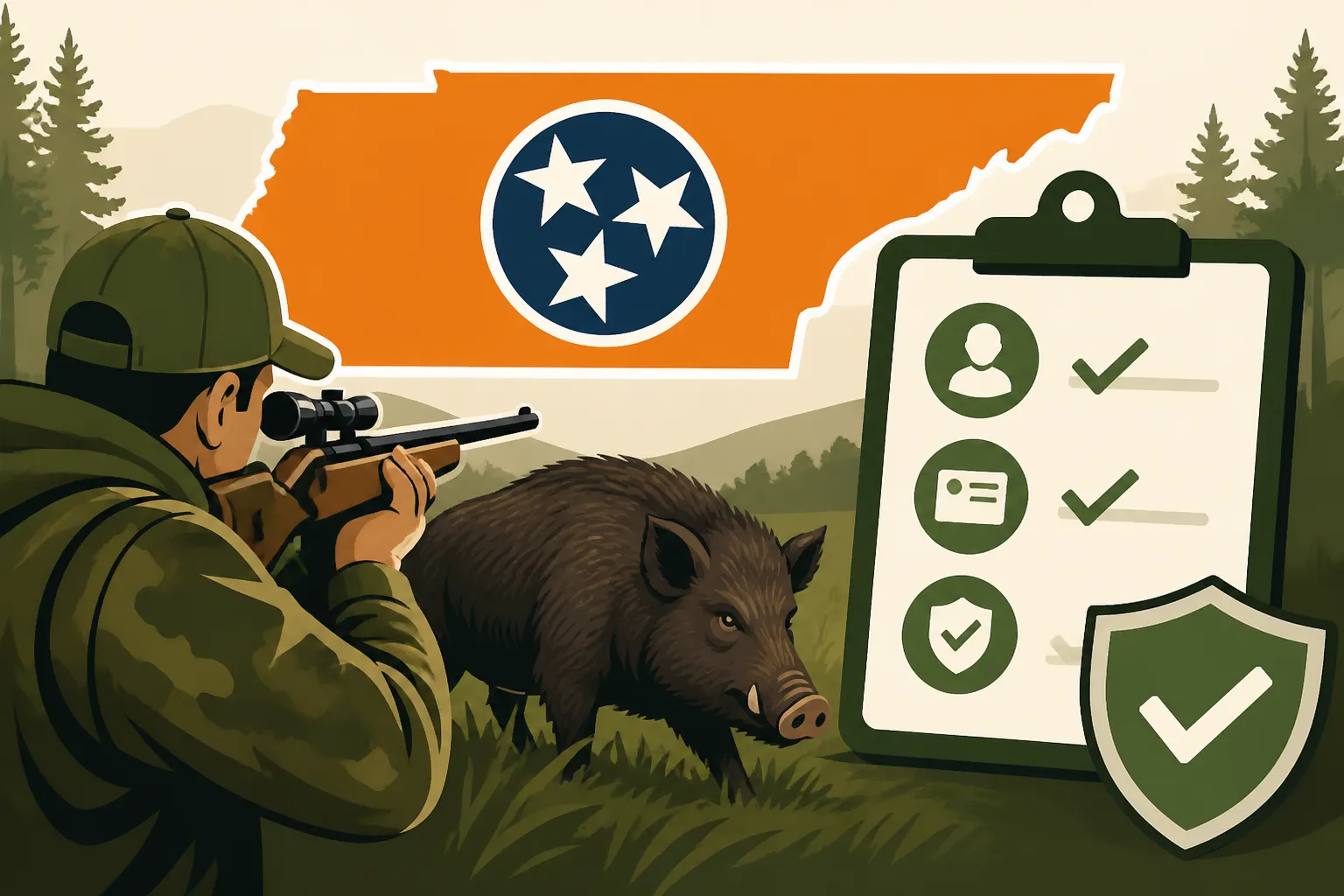
Despite their status as a nuisance animal, if you are actively hunting wild hogs with a firearm, bow, or any other hunting implement, you must possess a valid Tennessee hunting license. This is a critical point that often trips people up. While there isn't a specific "hog permit," your general hunting license serves as your permission from the state to engage in hunting activities, regardless of the species (unless you're a resident landowner hunting on your own property without any external license).
For Tennessee residents, this usually means a basic annual hunting license, like the Type 001. If you're planning on hunting other game, you might opt for the more comprehensive Tennessee Sportsman License Bundle which covers virtually all hunting and fishing in the state. Non-residents will need to purchase the appropriate non-resident hunting license, which can often be a 7-day or annual option depending on your visit length. These licenses are easily purchased through the Go Outdoors Tennessee website or app, and it's always smart to have proof of your license readily available, whether it's a physical copy or stored on your phone.
Landowner Permission is Key
This might seem obvious, but it bears repeating: you absolutely must have explicit permission from the landowner to hunt wild hogs on their private property. Even if you're helping them deal with a hog problem, failing to secure permission can lead to serious trespassing charges. It’s always best to get this permission in writing, or at least confirmed via text or email, to avoid any misunderstandings. This is particularly important if you plan to Getting Private Land Permission in Tennessee on a new property.
Many landowners are desperate for help with hog control, so don't be shy about asking. Offering to help them with the cleanup or even sharing some of the harvested meat (if you choose to keep it) can go a long way in building a good relationship. Remember, these animals cause incredible damage, from destroying corn and soybean fields to tearing up pastures. Being a courteous and responsible hunter is your best tool for continued access.
Methods Allowed on Private Land
Since hogs are not game animals, the TWRA offers more flexibility on private land regarding hunting methods. This can include:
- Night Hunting: Many hunters find night hunting to be highly effective for hogs, as they are often nocturnal. While specific rules exist for general night hunting (e.g., for coyotes), the nuisance animal status often allows for more leeway. However, check local ordinances about noise.
- Baiting: You can generally use bait to attract hogs on private land. This is a common tactic, often involving corn or other feed.
- Trapping: Trapping is also a very effective method for removing multiple hogs at once and is widely used by landowners and professional trappers.
- Any Legal Weapon: From centerfire rifles and shotguns to archery equipment and even handguns, you can generally use any legal firearm or bow during daylight hours. Night hunting might have specific rules regarding artificial light or thermal/night vision devices, so always confirm those specific regulations with the TWRA directly or through a reliable source like the GoHunt app which often updates regulatory information.
Navigating Wild Hog Hunting on Public Lands
This is where things get considerably more complicated, and it's where most hunters run into confusion. While Tennessee offers vast expanses of public hunting land, the rules for hogs on these properties are much stricter and often vary significantly from one area to another.
The "Incidental Take" Rule and WMAs
Many Tennessee Wildlife Management Areas (WMAs) and national forests operate under an "incidental take" rule for wild hogs. This means you generally cannot specifically hunt hogs on these lands. Instead, you can only harvest a wild hog if you are lawfully hunting another species (like deer or bear) during an open season for that species, and you possess all the necessary licenses and tags for that primary hunt.
For example, if you're hunting deer during the Tennessee's Gun Deer Season Into January on a WMA that allows incidental hog take, and a hog walks by, you might be able to harvest it. However, if deer season is closed, or you don't have a valid deer tag, you typically cannot pursue or shoot a hog. The key here is that you must be legally engaged in a primary hunt. This also means you can't use hog-specific tactics like baiting or night hunting on most public lands, as those methods might not be allowed for the primary game animal you're supposedly pursuing.
It's absolutely crucial to check the specific regulations for the WMA or national forest you plan to hunt. These rules are often outlined in the TWRA hunting guide for each WMA. A reliable source like GoHunt's mapping and regulation tools can be incredibly helpful here, as they often have detailed overlays for public land rules. Failing to do so can result in fines, loss of hunting privileges, and confiscation of equipment.
Here's a simplified breakdown for context:
| Feature | Private Land (with permission) | Public Land (WMAs, National Forests) |
|---|---|---|
| Specific Hog Permit? | No, general hunting license required | No, general hunting license required |
| Season? | No closed season (year-round) | Generally restricted to open seasons for other game (e.g., deer) |
| Bag Limit? | No bag limit | No bag limit (if incidental take allowed) |
| Night Hunting? | Generally allowed (check local ordinances) | Generally not allowed (incidental take only) |
| Baiting? | Generally allowed | Generally not allowed |
| Primary Requirement | Landowner permission & valid hunting license | Valid hunting license & tags for primary game; check WMA-specific rules |
| Goal | Nuisance control | Nuisance control (secondary to game management) |
Specific Public Land Considerations
- Cherokee National Forest: The Cherokee National Forest offers some unique scenarios. While hogs are generally considered incidental take during deer or bear seasons, there might be specific areas or times where the U.S. Forest Service or TWRA implements special hog control measures. Always verify current year regulations directly from the TWRA website or the Cherokee National Forest's official site. Cherokee National Forest Hunting is a great resource, but make sure to dive into the specific hog rules.
- Land Between the Lakes (LBL): LBL, managed by the U.S. Forest Service, has its own set of distinct rules. Similar to many WMAs, hogs are considered a nuisance, and their harvest is typically allowed only during open deer seasons and by licensed deer hunters who possess a valid LBL deer hunt permit. You cannot hunt hogs outside of these designated deer seasons.
- Other WMAs: For all other Tennessee Wildlife Management Areas, you must consult their specific regulations. Some WMAs might explicitly state "no hog hunting," while others allow incidental take. This variation is why doing your homework before you go is non-negotiable.
What If You Encounter Hogs While Not Hunting?
It's not uncommon for landowners or even casual hikers to encounter wild hogs. If you're a landowner and hogs are destroying your property, you typically don't need a hunting license to eliminate them on your own land, provided you're a resident landowner. However, if you bring a friend to help, that friend would need a hunting license.
For someone simply out enjoying nature on public land and not engaged in hunting, encountering a hog can be surprising. While you might be able to report the sighting to the TWRA, you cannot legally shoot a hog if you are not licensed and actively participating in a legal hunt where incidental take is permitted. This highlights the important distinction between wildlife management, hunting, and general outdoor recreation.
Best Practices and Ethical Considerations
Even though wild hogs are a nuisance, responsible hunting practices are still paramount.
- Shot Placement: Hogs are incredibly tough animals. Knowing proper shot placement to ensure a quick, ethical kill is crucial. Their vitals are situated a bit differently than a deer, often further forward and lower, protected by a thick "shield" on mature boars.
- Carcass Disposal: If you harvest a hog and choose not to consume the meat (which is a personal choice, though many find it delicious!), proper carcass disposal is essential. Do not leave carcasses where they can become a public nuisance or attract other unwanted animals. Burying or taking it to an approved disposal site are good options. In areas within the Tennessee's Chronic Wasting Disease Management Zone, always be mindful of regulations regarding carcass movement.
- Scouting: Just like with deer, proper scouting can make all the difference. Look for fresh rooting, tracks, and scat. Hogs love water and dense cover. Using game cameras can help you pattern their movements. This kind of diligent scouting is key whether you're focused on Hog Hunting Tennessee's Wild Boar or pursuing other game.
- Awareness of Other Hunters: Especially on public land, be acutely aware of other hunters who might be targeting deer, bear, or turkey. Hogs can be noisy, and your movements might spook other game. Always prioritize safety and courtesy.
Hunters often play a vital role in wildlife management, and assisting with wild hog control is one significant way to contribute. However, navigating the specific regulations in Tennessee requires careful attention to detail, especially the critical difference between private and public land rules. Always verify current regulations before heading afield, and remember that GoHunt resources can be incredibly helpful for staying informed about these ever-evolving rules.
Disclaimer
Please note that hunting regulations are subject to change. Always consult the most current Tennessee Wildlife Resources Agency (TWRA) Hunting and Trapping Guide or visit their official website before engaging in any hunting activity. This guide is for informational purposes only and should not be considered a substitute for official legal advice or regulations.