Tennessee Managed Hunt Sign-Up Deadlines
It’s a truly frustrating feeling to realize you've missed a critical deadline for a managed hunt in Tennessee. You spend months scouting, planning, and dreaming of that specific hunt, only to have the calendar betray you. Navigating the myriad of application periods and sign-up dates for Tennessee’s quota and managed hunts can feel like a full-time job, but missing them means missing out entirely. This guide aims to clear up the confusion, lay out the essential timelines, and provide actionable advice to ensure you never miss another crucial sign-up deadline for your coveted Tennessee hunts.
Understanding Tennessee's Managed Hunt System
Tennessee's managed hunt system is a cornerstone of its wildlife management strategy, designed to offer high-quality hunting opportunities while carefully balancing herd health, population control, and hunter experience. It's not just about drawing a tag; it's about participating in a system that ensures the long-term sustainability of our wild places.
What Are Managed Hunts and Why Do They Exist?
Managed hunts, often referred to as quota hunts, take place on specific Wildlife Management Areas (WMAs) or other designated public lands across Tennessee. Unlike general statewide seasons where you can hunt with a basic license and big game permit, managed hunts require a separate application process and usually a drawing because the number of participants is limited. The Tennessee Wildlife Resources Agency (TWRA) implements these hunts for several key reasons. Firstly, they allow for precise control over harvest numbers in areas where deer, turkey, or other game populations need careful monitoring, often to maintain a healthy age structure or buck-to-doe ratio. Secondly, they help distribute hunter pressure, ensuring a quality experience for those drawn by preventing overcrowding. Finally, they often provide access to areas that might otherwise be closed or have very restricted access, offering unique opportunities that wouldn't be available in general season hunting. It's a system built on science and strategy, aiming for optimal wildlife health and hunter satisfaction.
The Different Types of Managed Hunts You'll Encounter
Tennessee offers a diverse range of managed hunts, each with its own specific application procedures and timelines. You'll find quota hunts for almost every major game species. For instance, deer hunters might apply for hunts on popular WMAs like Chuck Swan WMA or Catoosa Wildlife Management Area, known for their trophy potential and limited access. These hunts often have specific weapon restrictions, like archery-only or muzzleloader-only periods, and specific bag limits designed to meet management objectives. Turkey hunters also have managed hunt options, particularly for early season hunts on certain WMAs where pressure is carefully regulated.
Then there are the highly sought-after elk and bear quota hunts. The opportunity to hunt Tennessee's restored elk herd in the North Cumberland Elk Zone is a once-in-a-lifetime draw, with very limited permits issued annually. Similarly, certain bear hunting opportunities, particularly in specific zones or for dog hunts, may fall under a managed hunt system. Waterfowl hunters will also encounter managed draw hunts, especially for prime blind locations on areas like Reelfoot Lake WMA, where competition for the best spots is fierce. Each of these categories, from deer to waterfowl, operates under its own distinct set of rules and, most importantly for us today, its own unique sign-up deadlines.
Navigating the Application Process and Key Deadlines
The TWRA has made significant strides in streamlining the application process, primarily through their online Go Outdoors Tennessee portal. However, even with user-friendly systems, staying on top of the fluctuating deadlines and understanding the nuances of each application is paramount.
The Annual Application Window: When to Mark Your Calendar
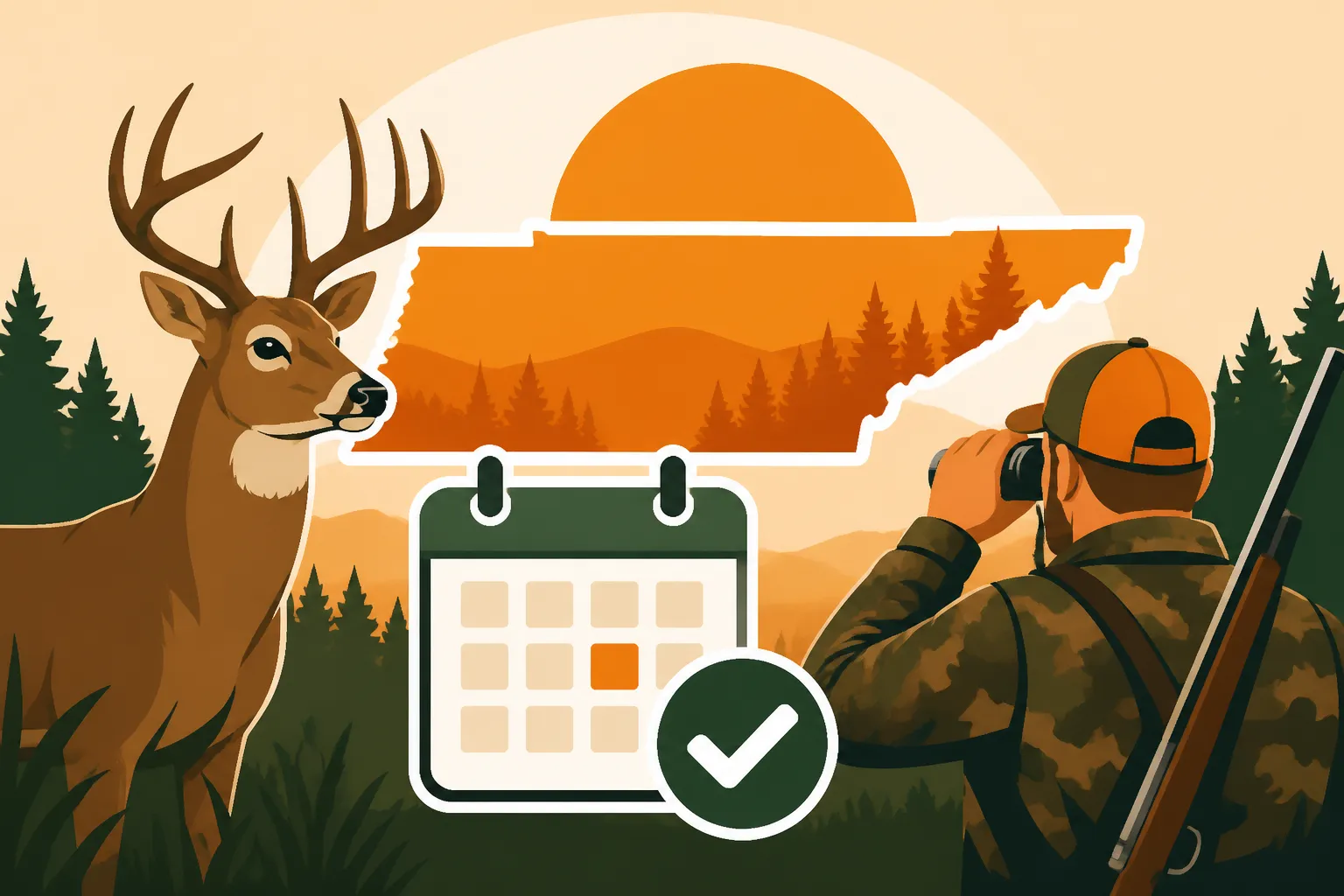
Generally speaking, the primary application period for most big game managed hunts in Tennessee, including deer, bear, and turkey, typically opens in mid-to-late July and runs through late August or early September. This is the biggest window you need to have marked on your calendar. Missing this timeframe means you won't be able to apply for the vast majority of deer and turkey quota hunts for the upcoming season. Imagine putting in all that effort scouting during the summer, identifying prime spots on public land, only to realize you can't even apply for a permit to hunt there because you missed the deadline. It's a gut punch, to say the least.
However, it's crucial to understand that this is a general timeframe. There are often exceptions. For instance, the highly anticipated elk quota hunt typically has an earlier application period, often opening in February and closing by late May or early June. Waterfowl draw hunts for specific blind sites can have application periods later in the fall, closer to their respective seasons. The golden rule here is to consult the most current TWRA hunting guide and their official website well in advance of the season to confirm exact dates for the specific hunts you're interested in. Don't rely on last year's calendar; these dates can, and do, shift slightly from year to year.
Using the TWRA Go Outdoors Tennessee Portal
The Go Outdoors Tennessee portal is your primary hub for everything related to licenses, permits, and, critically, managed hunt applications. If you're not familiar with it, now's the time to get acquainted. You'll need an active customer account, which is linked to your Tennessee Hunting Licenses and What They Cost. The process is straightforward:
- Log In or Create an Account: If you've ever purchased a license online, you likely have an account. If not, you'll need to create one, providing personal details that the TWRA uses to track your licenses and hunt history.
- Navigate to Managed Hunt Applications: Once logged in, look for a section specifically for "Managed Hunt Applications" or "Quota Hunts."
- Select Your Hunts: The portal will list all available managed hunts for the current application period. You'll be able to select your desired hunts, often with options for first, second, and third choices. This is where your research into specific WMAs and hunt dates really pays off. Tools like those offered by GoHunt, which provide detailed mapping and public land information, can be incredibly helpful when deciding which hunts to prioritize before you even get to the application stage.
- Confirm and Pay: Review your selections carefully. Each application usually has a small, non-refundable application fee. You'll then proceed to payment.
- Confirmation: Always ensure you receive a confirmation email or can view your application status in your account. This is your proof that your application was submitted successfully.
The portal also allows you to easily view the status of your applications and any successful draws. Remember, accurate information is key. Double-check your contact details and ensure your hunter education requirements are up to date, especially if you're a younger hunter applying for a Tennessee Youth Deer Hunt Rules or someone who needs to show proof of a Tennessee Hunter Education Requirements completion.
Specific Hunt Categories and Their Unique Deadlines
While the general managed hunt application window covers most deer and turkey opportunities, several high-profile hunts have distinct timelines that you absolutely cannot afford to miss.
- Elk Quota Hunts: As mentioned, the application for Tennessee Elk Quota Hunt Rules typically runs from late winter through early summer. This is a very narrow window, usually just a few months, and the drawing is highly competitive. If you dream of Calling a North Cumberland Bull Elk, missing this application period means waiting another year.
- Bear Quota Hunts: Certain limited entry bear hunts, particularly in specific zones or those with unique regulations like on the Cherokee National Forest, might have their own application deadlines that could fall outside the main summer window. Always check the specific regulations for Tennessee's Three Bear Hunting Zones if you plan to pursue bruins.
- Waterfowl Draw Hunts: For prime public land waterfowl hunting spots, such as designated blinds at Reelfoot Lake WMA, the application period often occurs later in the year, closer to the waterfowl seasons. This allows hunters to apply for specific dates and blind locations, and successful applicants often gain exclusive access for their chosen day. These can be crucial for hunters looking to Hunting the Reelfoot Lake Duck Blinds.
- Youth Hunts: While many youth hunts follow the general managed hunt application, some special youth-only weekends or specific WMA youth hunts might have slightly different sign-up dates. Always check the TWRA's youth hunting section if you're planning to take a young sportsman afield.
It's a lot to keep track of, but the rewards—like hunting undisturbed habitat or a chance at a truly exceptional animal—are well worth the effort.
Strategies for Success and Avoiding Common Pitfalls
Staying organized and proactive is your best defense against missing critical deadlines and maximizing your chances of success in Tennessee's managed hunt lottery.
Planning Ahead: Researching Your Desired Hunt
Successful managed hunt applications start long before the application window even opens. It begins with thorough research and scouting. You need to identify which specific WMAs and hunt dates align with your goals and abilities. Are you looking for a Tennessee's Gun Deer Season Into January experience, or something more primitive like Muzzleloader Deer Hunting in Tennessee? Each WMA has unique characteristics, regulations, and draw odds. For example, some WMAs are known for bigger bucks but tougher hunting, while others might offer a higher success rate for antlerless opportunities.
Before you commit to applying, dive into the WMA-specific regulations on the TWRA website. Understand the season dates, weapon restrictions, and bag limits. This is also where advanced mapping tools become indispensable. Services like GoHunt allow you to overlay public land boundaries, topo maps, and even historical harvest data, giving you an edge in understanding the terrain and potential game movement before you ever step foot on the ground. Scouting Tennessee Public Land Before Season is not just about finding game; it's about understanding the land and regulations to make informed application choices. Don't just apply blindly; apply strategically.
Double-Checking Your Application and Confirmation
After you've submitted your application through the Go Outdoors Tennessee portal, your job isn't quite done. The biggest mistake hunters make is assuming everything went through perfectly. Technology, even the best kind, can sometimes glitch.
- Confirmation Email: Always verify that you receive a confirmation email from the TWRA shortly after submitting your application. This email is your receipt and proof of submission. If you don't see it, check your spam folder first, then log back into your Go Outdoors account to confirm the application status.
- Application Status: Within your Go Outdoors profile, there should be a section where you can view your current and past hunt applications. Make it a habit to check this to ensure your application is listed as "submitted" or "pending."
- Review Details: Before the application period closes, take a moment to re-read your application. Are the hunt choices correct? Is your personal information accurate? A small typo in an email address could mean missing important draw notifications. Imagine getting drawn for an incredible Hunting Tennessee's Restored Elk Herd hunt and missing the notification because of an email typo!
This extra step of verification takes only a few minutes but can save you immense heartache and disappointment down the road.
What Happens If You Miss a Deadline?
Missing a managed hunt deadline can feel like the end of the world for that particular season, and for that specific quota hunt, it usually is. Once the deadline passes, the application portal typically closes, and there's no going back to submit a late entry. The draws are run based on the applications received within the specified window, so a missed deadline truly means you're out of the running for that specific opportunity.
However, a missed managed hunt deadline doesn't mean your entire hunting season is ruined. It simply means you need to adjust your strategy. You can still focus on hunting Tennessee's general season structure, which offers extensive opportunities on statewide public and private lands. This might mean exploring areas where Tennessee's Deer Season Runs Archery to January for general season hunting, or focusing on Spring Turkey Hunting in Tennessee when the statewide season opens.
Furthermore, some WMAs offer leftover permits or standby lists if drawn hunters decline their spots. These opportunities are rare and often announced last-minute, but they do exist. Your best bet for these is to frequently check the TWRA website and subscribe to their email updates. The biggest lesson from a missed deadline is to learn from it: mark next year's calendars even earlier, set multiple reminders, and double-check everything.
Here’s a quick overview of key managed hunt deadlines to keep in mind:
| Hunt Type | Typical Application Open | Typical Application Close | Notes |
|---|---|---|---|
| General Deer/Turkey Managed Hunts | Mid-July | Late August / Early September | Most common quota hunts, including Chuck Swan, Catoosa |
| Elk Quota Hunts (North Cumberland) | February | Late May / Early June | Highly competitive, specific to the North Cumberland Wildlife Management Area |
| Bear Quota Hunts (Specific Zones/WMAs) | Varies (Check Bear Zones) | Varies (Check Bear Zones) | Depending on Tennessee Bear Zone One Rules or other zones |
| Waterfowl Blind Draws (Reelfoot, etc.) | Late Summer / Early Fall | Early Fall | Specific to prime waterfowl WMAs like Reelfoot Lake WMA |
| Youth-Only Managed Hunts | Aligns with General or varies | Aligns with General or varies | Always check specific dates for youth opportunities |
Remember, these are typical ranges. Always verify the exact dates on the official TWRA website or in their current hunting guide before submitting your application.
Disclaimer
The information provided in this guide is for general informational purposes only and is based on typical Tennessee hunting regulations and timelines. Hunting regulations, season dates, and application deadlines are subject to change by the Tennessee Wildlife Resources Agency (TWRA). It is the hunter's sole responsibility to consult the most current official TWRA hunting guide and website for the most accurate and up-to-date information before participating in any hunting activity. Failure to comply with all applicable laws and regulations may result in penalties.