Tennessee Elk Application Window Dates
Missing the application deadline for a coveted Tennessee elk hunt can feel like a punch to the gut after dreaming of chasing wapiti in the Cumberlands all year. The stakes are high, and the competition is fierce, making it absolutely critical to know precisely when and how to throw your hat in the ring. This guide is dedicated to walking you through every detail of the Tennessee elk application window dates, helping you navigate the process to ensure your best shot at an once-in-a-lifetime tag.
Understanding the Tennessee Elk Application Window
Let's be real, keeping up with hunting season dates and application windows can feel like a full-time job. Between deer seasons, turkey seasons, and all the various special draws, it’s easy to let something slip through the cracks. But when it comes to the Tennessee elk hunt, you absolutely cannot afford to miss the application window. This is a very specific, limited timeframe each year when the Tennessee Wildlife Resources Agency (TWRA) accepts applications for the state’s incredibly exclusive elk quota hunts.
The application period is generally consistent from year to year, usually falling within the summer months, but it's always wise to double-check the official TWRA regulations each spring. For the 2024 elk hunts, for example, the application period ran from June 1st to July 26th. That's typically a nearly two-month window, which sounds generous, but those weeks can fly by when you're busy with work, family, and other summer activities. Mark your calendar, set reminders, and make sure this critical window is on your radar well in advance. Missing it means waiting another entire year for your chance at a Tennessee bull or cow.
Why the Application Window is So Critical
The Tennessee elk herd is a true conservation success story, brought back from extirpation through dedicated restoration efforts. Because of this, the herd is carefully managed, and the number of permits issued each year is extremely limited to ensure sustainable growth and a high-quality hunting experience. This scarcity is precisely why the application window is so non-negotiable. It's the only pathway to obtaining one of these highly sought-after tags. Unlike general deer tags you can often buy over-the-counter, an elk tag here requires participation in a lottery system, and that lottery only considers applications submitted during the designated period.
Think of it like applying for a college scholarship or a dream job; there’s a hard deadline, and late submissions just aren't considered. The TWRA has to process thousands of applications efficiently, and a strict window allows them to do that. It also ensures fairness, giving every eligible hunter who applies on time an equal chance in the draw. If you're serious about Hunting Tennessee's Restored Elk Herd, then the application window is the first, most important hurdle you'll face.
Common Misconceptions About Elk Application Deadlines
One common misconception is that if you have a lifetime hunting license or a special sportsman license, you might be automatically entered or receive special consideration. That's just not the case for these quota hunts. While your annual hunting license is a prerequisite, applying for the elk hunt is a separate, additional step with its own specific timeline. Another misunderstanding is thinking that the application window might extend if they don't get enough applicants. Trust me, they get plenty of applicants. The demand far outstrips the supply of permits, so extensions are practically unheard of.
Some hunters might also confuse the elk application window with other big game quota hunts, like certain bear or quality deer management hunts. Each of these special hunts has its own distinct application dates, so relying on general knowledge or assuming they all align can lead to disappointment. It’s crucial to look specifically for the "elk quota hunt" information on the TWRA website or within their annual hunting guide. Always cross-reference with the official source to avoid any costly errors.
Navigating the Elk Hunt Application Process
Once you’ve got those critical dates seared into your memory, the next step is actually applying. The entire process for the Tennessee elk quota hunt is handled online through the Go Outdoors Tennessee licensing system. This means you'll need an active customer account, which is the same one you use to purchase your annual hunting licenses, fishing licenses, and report harvests. If you don't have an account yet, or it's been a while since you logged in, it's a good idea to set it up or refresh your memory of your login credentials well before the application window opens. Nothing is more frustrating than trying to remember a forgotten password on deadline day!
The Go Outdoors Tennessee portal is designed to be user-friendly, but like any online system, it can have its quirks, especially during peak application times. It typically involves navigating to the "Managed Hunts" or "Quota Hunts" section, selecting the elk hunt, and then following the prompts to submit your application. There's usually a non-refundable application fee associated with entering the draw, which helps cover the administrative costs of running the lottery. Make sure you have a valid payment method ready to go.
Step-by-Step Application Submission
Let's walk through a typical application process to make it less daunting:
- Log In or Create Your Account: Head to the Go Outdoors Tennessee website. If you're a returning hunter, use your existing customer number and password. If you're new, follow the prompts to create an account. This is also where you'll make sure your base hunting license is current. You'll need at least a basic hunting license (Type 001) or a comprehensive Sportsman License (Type 94) to even apply. Learn more about Tennessee Hunting Licenses and What They Cost.
- Navigate to Quota Hunts: Once logged in, look for a section labeled "Managed Hunts," "Quota Hunts," or "Special Draws." This is often found under your personal profile or a main menu option.
- Select the Elk Hunt: Within the quota hunt section, you'll find a list of available draws. Locate the Tennessee Elk Quota Hunt application.
- Review Requirements and Zones: Before applying, take a moment to review the specific Tennessee Elk Quota Hunt Rules for the current year. You'll see options for different elk hunt zones within the North Cumberland WMA, sometimes separating archery, muzzleloader, or firearms permits, or even bull vs. antlerless permits. Understand what you're applying for. You might even use a platform like GoHunt to research historical draw odds for different zones before making your selection.
- Submit Application and Pay Fee: Follow the on-screen instructions to submit your application. This usually involves confirming your personal details and then paying the application fee. It's a small price for the potential to chase a North Cumberland bull. Make sure you receive a confirmation email or a confirmation number, and save it for your records. This is your proof of entry.
- Verify Application: After applying, it’s not a bad idea to log back into your Go Outdoors Tennessee account a day or two later to ensure your application is still listed as "submitted" or "pending." Sometimes, a small glitch can occur, and verifying early can save a lot of headaches later.
Utilizing Resources for a Better Application Strategy
Beyond simply submitting the application, there are resources that can help you strategize. Platforms like GoHunt provide valuable insights into draw odds, success rates, and unit breakdowns, which can be incredibly useful, especially if you have a choice of hunt periods or zones. While Tennessee's elk hunt zones are primarily concentrated in the North Cumberland area, understanding the nuances of various hunt periods (archery, muzzleloader, general firearms) can influence your application choice.
Thinking about the draw odds can be overwhelming, given how few permits are issued. For instance, in a typical year, Tennessee might only issue around 19 elk permits total across all categories. Knowing this, and understanding the Tennessee Elk Preference Point System if applicable (Tennessee does use a preference point system, rewarding consistent applicants), becomes vital. Every year you apply and don't draw, you typically earn a point, which can increase your chances in future draws. It's a long game for many, but persistent application is the key to accumulating those valuable points.
Eligibility and Key Requirements for Elk Hunters
Applying for a Tennessee elk hunt isn't just about hitting the submit button on time; there are fundamental eligibility requirements that every applicant must meet. These aren't just bureaucratic hurdles; they're in place to ensure fair play, responsible hunting, and the long-term health of Tennessee’s elk population. Understanding these before you apply can save you the disappointment of having your application rejected.
First and foremost, you'll need a valid Tennessee hunting license. This isn't specifically an "elk license," but rather the general state hunting license or a sportsman license that allows you to hunt big game. Non-residents are also eligible to apply, but they will need to purchase a non-resident annual hunting license or a specific non-resident big game license, which typically costs more than a resident license. This applies whether you're looking to hunt deer, bear, or pursue a once-in-a-lifetime elk tag.
Residency and License Prerequisites
Residency is typically defined by Tennessee law, generally requiring you to have lived in the state for a certain continuous period (usually 90 consecutive days) with the intent to make it your home. This is the same standard used for purchasing resident hunting licenses in general. If you're unsure about your residency status, it’s always best to check the official TWRA regulations or contact them directly. Falsifying residency information can lead to severe penalties, including fines and loss of hunting privileges.
For non-residents, the process is similar; you'll establish an account on Go Outdoors Tennessee and purchase the appropriate non-resident hunting license. While the cost is higher, the opportunity to hunt elk in Tennessee is a draw for many out-of-state hunters. Just remember that the competition is fierce regardless of residency, as there are very few tags available. The number of permits issued for a Tennessee Elk Quota Hunt is exceptionally low, making every application a long shot, but a shot worth taking for serious hunters.
Age Restrictions and Hunter Education
While there isn't a specific minimum age to apply for the elk hunt, general Tennessee hunting regulations dictate who can legally hunt. Minors typically need to complete a hunter education course or hunt under the direct supervision of a licensed adult. If you or a youth hunter you are applying for has not completed hunter education, make sure this is done well in advance. The TWRA offers various options for hunter education, including online courses followed by a field day.
It's also crucial to consider the physical demands of an elk hunt. The North Cumberland Wildlife Management Area, where the hunt takes place, is rugged terrain. While there might not be explicit physical requirements to apply, successful hunters are usually in good physical condition and prepared for challenging walks, steep climbs, and potentially long days in the field. Preparing for a Preparing for a North Cumberland Elk Hunt involves more than just gear; it involves physical conditioning as well.
Understanding the Tag Limitations
When you apply, you're usually applying for one specific type of permit. For instance, you might apply for a bull elk permit or an antlerless elk permit. It's vital to choose correctly, as drawing one type of permit doesn't automatically allow you to take any elk. The permits are highly specific to the animal's sex and sometimes antler criteria.
Also, be aware that if you are fortunate enough to draw an elk tag, it’s typically a once-in-a-lifetime opportunity. This means that once you successfully harvest an elk in Tennessee, you are generally not eligible to apply for future elk quota hunts. This rule is in place to ensure that as many different hunters as possible get the chance to experience this unique hunt. There are specific rules regarding How Many Elk Permits Tennessee Issues to give a sense of the exclusivity.
What Happens After You Apply: The Draw and Beyond
The waiting period after submitting your elk hunt application can be excruciating. You've done everything right, marked your calendar, navigated the Go Outdoors Tennessee portal, and clicked submit. Now comes the hard part: hoping your name gets drawn from the thousands of hopefuls. The TWRA typically conducts the draw sometime after the application window closes. For the 2024 hunt, with applications closing in late July, the draw usually happens in early August. This gives them enough time to process all the applications and run the lottery.
You’ll typically be notified of the draw results via email, so ensure the email address associated with your Go Outdoors Tennessee account is current and that you check your spam folder regularly. Sometimes, the results are also posted on the TWRA website. This moment, when you check your email or refresh the webpage, is one of the most anticipated for any Tennessee hunter. Whether it's good news or bad, knowing the outcome allows you to plan your fall hunting season accordingly.
The Preference Point System Explained
Tennessee utilizes a preference point system for its elk quota hunts, which is a big deal for hunters who don't draw in their first year. Here's how it generally works: for every year you apply for the elk hunt and are unsuccessful in drawing a permit, you accumulate one preference point. These points effectively give you a slightly better chance in subsequent draws. It doesn't guarantee you a tag, but it improves your odds.
Think of it as putting a few extra tickets into the raffle each year you apply and don't win. The more points you have, the more "tickets" you get in future drawings. However, if you do draw an elk permit, your accumulated preference points are reset to zero. This ensures that while persistence is rewarded, new applicants still have a fair shot, and it prevents any single hunter from hoarding all the points indefinitely. Understanding this system is crucial for a long-term strategy, and tools like GoHunt can sometimes help you track your points and analyze how they might impact your future draw odds.
Planning for Success in the North Cumberland Elk Zone
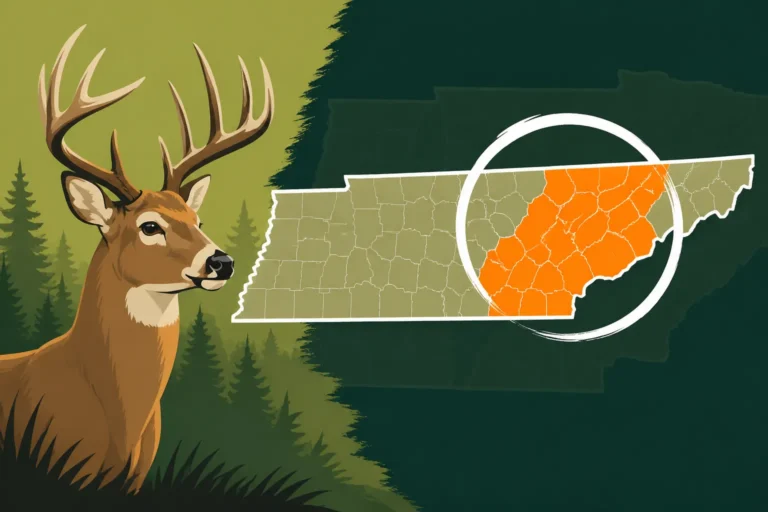
If you are one of the lucky few to draw a tag, the real work and excitement begin! The Tennessee elk hunt takes place exclusively within the North Cumberland Wildlife Management Area (WMA), a sprawling, rugged landscape in the eastern part of the state, encompassing parts of Campbell, Claiborne, Scott, Morgan, and Anderson counties. This area is the heart of Tennessee’s elk restoration efforts, and it offers incredible, yet challenging, hunting opportunities. You can dive deeper into the specific Tennessee Elk Zone Boundaries Explained to get a lay of the land.
Pre-season scouting becomes paramount. This isn't your typical whitetail hunt from a static stand; elk are constantly on the move, covering vast distances. You'll want to spend time familiarizing yourself with the specific elk hunt zone you drew, if applicable, studying topo maps, aerial imagery, and even hiking some of the terrain. Look for traditional feeding areas, water sources, and bedding thickets. Platforms like GoHunt can be invaluable for digital scouting, helping you identify potential access points and terrain features from your computer before you ever step foot in the woods. Learning how to effectively Glassing a North Cumberland Elk Meadow is a key skill for success in this open, mountainous terrain.
The hunt itself requires a different mindset and skillset than most Tennessee big game hunting. It’s physically demanding, often involving long days of hiking, tracking, and calling. Equipment choices for these hunts are also critical. While there are specific seasons for archery and general firearms, all require careful planning. From suitable footwear to reliable optics and appropriate firearms, every piece of gear needs to be up to the task. Successfully drawing a tag is just the first victory; the true challenge, and reward, lies in the pursuit of these magnificent animals in their restored Tennessee home.
| Event | Typical Date Range (Example: 2024) | Notes |
|---|---|---|
| Application Window Opens | June 1st | Mark your calendar! This is when you can first submit your application. |
| Application Window Closes | July 26th | Hard deadline. No late applications accepted. Submit early to avoid issues. |
| Draw Results Announced | Early August | Check your Go Outdoors TN account and email for notifications. |
| Elk Hunt Dates | Fall (Specific to zone/weapon) | Varies by hunt period (archery, muzzleloader, firearms). |
Disclaimer
Please note: Hunting regulations, season dates, and application windows are subject to change. Always consult the official Tennessee Wildlife Resources Agency (TWRA) website or their current annual hunting guide for the most accurate and up-to-date information before planning any hunting activities.