Which Counties Joined the CWD Zone Most Recently
It can feel like a constant battle to keep up with the ever-changing landscape of hunting regulations, especially when it comes to serious wildlife health concerns like Chronic Wasting Disease (CWD). For many Tennessee hunters, the frustration of waking up to find their familiar hunting grounds suddenly reclassified as part of the CWD zone is very real. This guide aims to clear up some of that confusion, detailing which counties have most recently joined the CWD management zone and what these changes mean for your hunting plans and practices in the Volunteer State.
Understanding Tennessee's CWD Challenge
Chronic Wasting Disease is a serious, fatal neurological disease affecting deer, elk, and other cervids. It’s caused by abnormal proteins called prions that slowly attack the brain, spinal cord, and other tissues, leading to emaciation, abnormal behavior, and ultimately, death. While there's no evidence CWD can spread to humans, wildlife agencies across the country, including the Tennessee Wildlife Resources Agency (TWRA), are taking proactive measures to monitor, manage, and slow its spread to protect deer herds and hunting traditions.
A Brief History of CWD in Tennessee
Tennessee's first confirmed case of CWD was discovered in December 2018 in a deer harvested in Fayette County. This was a jarring moment for the hunting community, as it marked the disease's arrival in our state. Since then, the TWRA has diligently expanded its surveillance and testing efforts, working tirelessly to identify and contain the disease. Initially, the CWD zone was concentrated in West Tennessee, where the disease was first detected, impacting counties like Fayette, Hardeman, and McNairy. The expansion of this zone is a direct response to new positive detections found through continued testing.
Why CWD Spreads and What It Means
CWD spreads through direct animal-to-animal contact and indirectly through environmental contamination, where infected prions can persist in soil, plants, and water for years. This makes controlling its spread incredibly challenging. For hunters, a CWD positive county means immediate changes to how you harvest, handle, and transport deer. The goal of these regulations is to minimize the potential for human-assisted spread of the disease to new areas. Ignoring these rules, even unknowingly, can have long-term consequences for our deer herds and the future of hunting in Tennessee. It's not just about compliance; it's about being a responsible steward of our wildlife.
The Latest Additions to Tennessee's CWD Zone
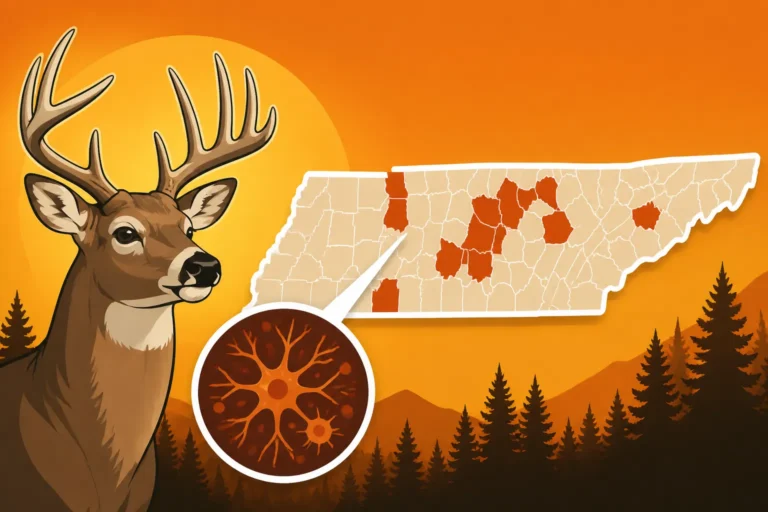
The TWRA is constantly monitoring for CWD, and unfortunately, as more testing occurs, new positive cases emerge, leading to the expansion of the CWD Management Zone. The most recent significant additions have been Madison County and Gibson County in West Tennessee, designated as CWD-positive counties following confirmed detections.
Madison County officially entered the CWD-positive zone in October 2023, after a deer tested positive for the disease. This was a critical expansion, as Madison County sits further northeast than some of the initial core CWD counties. Not long after, in November 2023, Gibson County also joined the CWD-positive list, further solidifying the disease's presence in the western part of the state and highlighting the challenges in containing its geographical spread. These additions underscore the importance of staying current with TWRA advisories, as the situation is dynamic and can change rapidly.
The Geographical Shift of the Zone
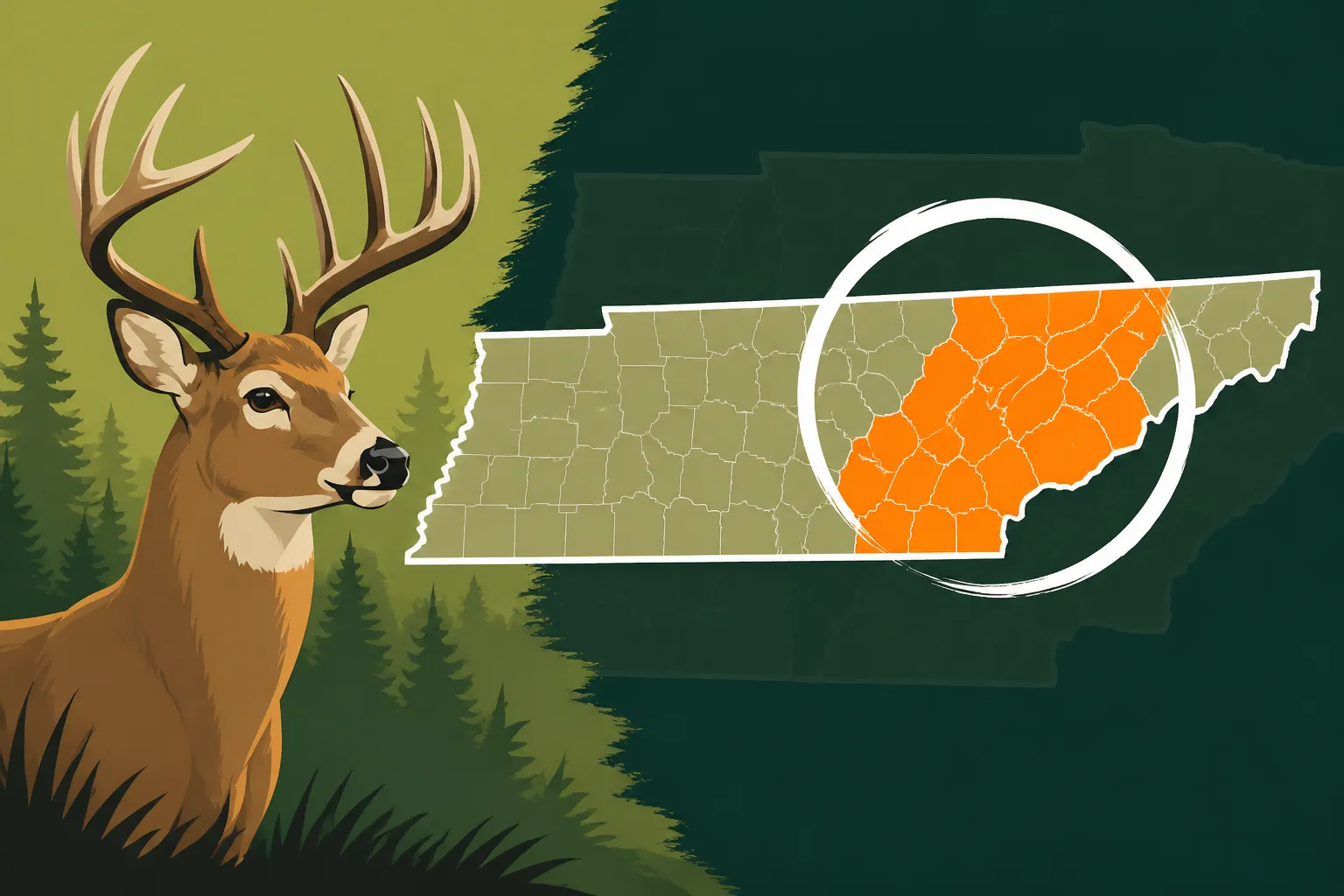
The addition of Madison and Gibson counties represents a continued, albeit slow, eastward and northward creep of the CWD zone within West Tennessee. While the heart of the CWD zone remains primarily in the southwestern part of the state, these newer additions demonstrate that hunters across West Tennessee need to remain vigilant. The disease doesn't respect county lines or local assumptions, and its presence can pop up wherever deer populations are susceptible and movements occur. This geographical shift directly impacts hunters who may hunt across multiple counties, forcing them to re-evaluate their usual routes and practices. It's a stark reminder that even if your "home" county isn't positive, a neighboring county could be, and you might still fall under special regulations depending on where you harvest a deer. You can find detailed maps on the TWRA website or through apps like GoHunt that integrate CWD zone data.
Immediate Impact on Local Hunters
For hunters in Madison and Gibson counties, the immediate impact is a shift in required practices. No longer can you simply harvest a deer and head home without considering specific regulations. The most critical change is the mandatory CWD testing for all harvested deer within these new positive counties, especially during certain periods. This means taking your deer to an official TWRA CWD sampling station or designated drop-off location. It's an extra step, for sure, and can be inconvenient, especially if you're hunting remotely or at odd hours. However, it's a vital part of the state's strategy to track the disease and gather data. Hunters might also face new rules on Tennessee Carcass Deboning Requirements, needing to debone deer before moving them out of the CWD zone. These rules are designed to prevent the physical spread of potentially infected carcass parts to unaffected areas, which is a major pathway for prion movement.
Navigating New Regulations in CWD Counties
Entering a CWD-positive county introduces a new set of rules that all hunters must adhere to. These aren't suggestions; they are mandatory regulations designed to safeguard the health of Tennessee's deer herd. Understanding them is crucial, not just for compliance but for the long-term sustainability of our hunting heritage.
Mandatory Harvest Reporting and Testing
When hunting in a CWD-positive county, including newly added ones like Madison and Gibson, specific reporting and testing protocols kick in. All deer harvested in these counties must be reported to the TWRA as usual, but more importantly, many will require CWD testing. The TWRA often sets up mandatory testing weekends or periods, particularly during the peak of the deer season, but hunters are encouraged to submit all harvested deer for testing throughout the season.
You'll need to locate a designated CWD sampling station, which can be at a WMA check station, a private business partnering with TWRA, or a self-serve drop-off freezer. The TWRA's website and their official app provide up-to-date maps of these locations. You'll typically need to provide your harvest confirmation number and information about where the deer was taken. While it adds a step to your hunt, knowing the CWD status of the deer you've harvested provides valuable data for wildlife management and gives you peace of mind. For more on this, check out Tennessee CWD Testing for Hunters.
Carcass Movement Restrictions
One of the most significant changes for hunters in CWD-positive counties is the restriction on carcass movement. To prevent the spread of CWD prions, whole carcasses or certain high-risk parts of deer harvested in CWD-positive counties generally cannot be transported out of the CWD zone. The high-risk parts include the brain, spinal cord, eyes, spleen, and lymph nodes.
This means if you harvest a deer in Madison or Gibson County, and you live in a non-CWD county, you'll need to process your deer appropriately before you leave the CWD zone. For most hunters, this involves deboning the meat and leaving the spinal column and skull behind. You can usually transport deboned meat, cleaned skull plates (antlers), capes (without skull tissue), and teeth. However, regulations can vary, so always check the latest TWRA guide. These rules are non-negotiable and are strictly enforced to protect the state's deer population. Learning how to properly debone a deer in the field or at a designated processing station within the CWD zone is an invaluable skill.
Earn-A-Buck and Antlerless Opportunities
In some CWD management areas, the TWRA implements specific programs designed to increase harvest pressure on deer, particularly antlerless deer, to help manage populations and potentially slow disease transmission. One such program is the "Earn-a-Buck" program, which has been utilized in certain CWD areas. Under this program, a hunter might be required to harvest and submit an antlerless deer for CWD testing before they are eligible to harvest an antlered deer within that specific zone. This incentivizes antlerless harvest, which is crucial for population control.
Additionally, in CWD-positive counties, antlerless deer limits might be more liberal than in non-CWD areas, or specific bonus antlerless tags might be available. This provides more opportunities for hunters to fill their freezers while also contributing to disease management efforts. For example, some DMUs (Deer Management Units) within the CWD zone might have higher antlerless bag limits than others. Always review the current Tennessee Deer Season Structure Explained and specifically look at the regulations for your chosen DMU, as CWD status often dictates these differences.
| County | CWD Status | Effective Date | Key Regulation | Carcass Movement |
|---|---|---|---|---|
| Madison County | CWD Positive | Oct 20, 2023 | Mandatory Testing | Restricted to Zone |
| Gibson County | CWD Positive | Nov 20, 2023 | Mandatory Testing | Restricted to Zone |
| Fayette County | CWD Positive | Dec 18, 2018 | Mandatory Testing | Restricted to Zone |
| Hardeman County | CWD Positive | Dec 18, 2018 | Mandatory Testing | Restricted to Zone |
| McNairy County | CWD Positive | Jan 1, 2019 | Mandatory Testing | Restricted to Zone |
Note: This table reflects recently added and historically significant CWD-positive counties. Always consult the latest TWRA regulations for the most current information and precise boundaries.
Practical Advice for Hunters in Newly Designated CWD Areas
Hunting in a CWD-positive county requires a bit more preparation and attention to detail. It's not about fear; it's about being informed and responsible. These tips will help you navigate the new reality and continue to enjoy hunting in Tennessee.
Staying Informed with TWRA Resources
The absolute best resource for up-to-date information on CWD is the Tennessee Wildlife Resources Agency (TWRA). Their website is constantly updated with the latest news, regulations, CWD zone maps, and sampling station locations. Before you head out, especially if you're hunting near a CWD-positive county or in one that was recently added, make it a habit to check the TWRA's CWD section.
They also offer a mobile app, "Go Outdoors Tennessee," which is incredibly useful for purchasing licenses, reporting harvests, and often has integrated maps showing CWD zones and sampling stations. Don't rely on outdated information or hearsay from a buddy. Regulations can change mid-season, so a quick check before each hunt is prudent. You might also consider signing up for TWRA email alerts or following their social media channels for real-time updates. Keeping up with Tennessee's Chronic Wasting Disease Management Zone is an ongoing process.
Best Practices for Deer Handling
Once you've harvested a deer in a CWD-positive area, proper handling is paramount. First, field dress your deer as usual, but if you're in an area with carcass movement restrictions, be prepared to perform more extensive processing. Consider bringing a boning kit, game bags, and a tarp or dedicated processing surface. If you plan to leave the head and spinal column in the woods, choose a discreet location away from trails and water sources.
When bringing your deer to a CWD sampling station, ensure you have all your harvest information readily available. The TWRA staff will collect tissue samples, usually from the lymph nodes in the neck. After handling the deer, thoroughly clean all your tools, knives, and hands with soap and water or a disinfectant. If you use a processor, ensure they are aware the deer was harvested in a CWD-positive county and follow all TWRA guidelines. Remember, the goal is to minimize the potential spread of prions. This attention to detail is a crucial step in being a responsible hunter and helps protect the herd.
Utilizing Scouting Tools like GoHunt
In today's hunting world, digital scouting tools are almost essential, and they become even more valuable when navigating complex regulations like CWD zones. Platforms like GoHunt and the TWRA's own mapping tools allow you to overlay CWD zone boundaries with public and private land information. This helps you understand exactly where you can hunt and what rules apply.
Imagine you're Scouting Tennessee Public Land Before Season in a county bordering a new CWD zone. With an app like GoHunt, you can easily see which side of a road or creek marks the CWD boundary. This can inform your stand placement, your retrieve strategy, and even your exit route. Knowing precisely where the boundaries lie helps you make informed decisions about whether to process a deer in the field or where to take it for testing. These tools also integrate other critical data like topographical maps, aerial imagery, and property lines, which are always helpful, but especially so when navigating areas with specific wildlife health regulations. Being prepared with these digital aids can save you a lot of headache and ensure you're compliant with all state rules.
Disclaimer
Please note that hunting regulations, including those related to Chronic Waste Disease, can change. While every effort has been made to provide accurate and up-to-date information in this guide, it is ultimately the hunter's responsibility to consult the most current Tennessee Wildlife Resources Agency (TWRA) regulations before heading afield. Always verify specific dates, bag limits, and CWD zone boundaries directly with the TWRA.