Field Dressing a Deer in Cold Weather
There’s nothing quite like that rush after taking a deer in the crisp, cold air of a Tennessee autumn or winter. The deer is down, the hunt is successful, and now the real work begins. While colder temperatures offer some distinct advantages when it comes to preserving your hard-earned venison, it also introduces a unique set of challenges. Getting a deer field dressed properly in cold weather is crucial for meat quality, and it can be a surprisingly tough job if you’re not prepared. This guide will walk you through everything you need to know to handle your harvest efficiently and effectively when the mercury drops.
The Unique Benefits of Field Dressing in Cold Temperatures
When you're out hunting Tennessee's long archery season or even deeper into Tennessee's Gun Deer Season Into January, the thought of field dressing can sometimes feel like a race against the clock. But when the air bites, and the ground crunches underfoot, you actually have a bit of an ally in nature itself. Cold weather, while making the process physically tougher on you, is a fantastic natural refrigerator for your deer.
Slowing Bacterial Growth and Spoilage
One of the biggest anxieties for any hunter after a successful shot is the risk of meat spoilage. In warmer months, or during those early archery hunts in September, the clock starts ticking almost immediately. Bacteria thrive in warmth, quickly turning delicious venison into something you wouldn't feed your dog. However, when the thermometer plunges, that race against time slows significantly. The cold air acts as a natural inhibitor, drastically reducing the rate at which bacteria can multiply within the carcass. This doesn't mean you can lollygag, but it does mean you have a wider margin for error, especially if you're deep in the woods on, say, the Cumberland Plateau and it's going to take some time to get the deer out. This natural cooling process starts the moment the animal expires and its internal temperature begins to drop, giving you a head start on meat care.
Keeping Pests and Insects at Bay
Remember those agonizing moments during an early season hunt when flies and other insects seem to magically appear the moment you begin field dressing? They're not just annoying; they can also contaminate the meat, laying eggs or introducing unwanted microbes. In colder weather, this problem virtually disappears. The chilly air sends most of these pests into dormancy or drives them into hiding, leaving you to work in relative peace. This makes the job not only more pleasant but also cleaner. You don't have to constantly swat away flies or worry about maggot eggs ruining a prime cut, which is a huge relief when you’re trying to focus on making clean cuts and getting the job done right. It's one less variable to worry about as you concentrate on preserving your harvest.
Easier Handling of the Carcass
While working with cold hands on a cold animal isn't exactly comfortable, a chilled carcass can actually be easier to work with structurally. The muscle tissues firm up, making it less "floppy" and unwieldy than a deer taken on a sweltering day. This rigidity can make it simpler to manipulate the animal into the ideal position for field dressing, whether you're rolling it onto its back or positioning it on its side. Furthermore, the fat often becomes firmer, which can make it easier to separate from the muscle if you choose to do some basic trimming in the field. The internal organs, while still slick, might also be slightly less prone to tearing or spilling, especially if you're careful. This slight increase in tissue firmness can translate into cleaner cuts and a more efficient overall process.
Essential Gear and Preparation for Cold Weather Field Dressing
You wouldn’t go into the woods ill-equipped for Muzzleloader Deer Hunting in Tennessee, and you certainly shouldn't approach field dressing in cold weather without the right tools and preparation. It's not just about getting the job done; it's about doing it safely, effectively, and preserving the quality of your venison. Being prepared means having the right clothing, sharp tools, and a plan for extraction and continued care.
Layered Clothing and Waterproof Gloves
Standing still, bending, and working with a cold, wet carcass in freezing temperatures can quickly lead to hypothermia if you’re not dressed appropriately. Layering is absolutely critical. Start with a moisture-wicking base layer, add insulating mid-layers like fleece or wool, and top it off with a waterproof and windproof outer shell. You might get warm while working, so having layers you can shed and then put back on is key.
More importantly, your hands will be immersed in cold, potentially bloody, and wet conditions. Standard hunting gloves simply won't cut it. You need robust, waterproof gloves. Many experienced hunters opt for a thinner pair of surgical or nitrile gloves underneath a heavier, waterproof utility glove or even dishwashing gloves. This two-layer approach protects your hands from the cold, keeps them clean, and prevents blood contamination. Brands like GoHunt emphasize preparedness, and having quality waterproof gloves is a non-negotiable part of that ethos. Trust me, cold, wet hands will make a simple task feel excruciating, and you'll rush, potentially making mistakes.
Sharp Knives, Bone Saws, and Game Bags
A dull knife is not only inefficient but also dangerous. In cold weather, when tissues might be tougher and your hands less nimble, a razor-sharp knife is absolutely paramount. Carry at least two knives: a primary, robust field dressing knife and a smaller, sharper one for precision work. Make sure they are cleaned and sharpened before every hunt. A small, folding bone saw can also be invaluable, especially if you plan to split the pelvis or sternum to open the body cavity completely for rapid cooling, or if you're breaking down the animal into smaller pieces for easier extraction. The goal is to make clean, quick cuts to minimize contamination and effort.
Once the deer is field dressed, protecting the meat is your next priority. This is where game bags come in. Even in cold weather, dust, debris, and opportunistic scavengers can still get to the carcass. High-quality, breathable game bags allow the meat to continue cooling while keeping it clean and protected. These bags are a small investment that makes a huge difference in the quality of your venison. Don't forget a dragging sled or a deer cart if you have a long haul ahead, especially if you're contemplating Dragging a Deer Out of a Steep Hollow on a public land hunt in East Tennessee.
Pre-Planning Your Extraction Route
Before you even pull the trigger, having a rough idea of how you'll extract your deer is vital, especially on public land or challenging terrain. Scout potential routes that are less steep, have fewer obstacles, or lead to accessible roads. Modern mapping apps, like those often featured on GoHunt platforms, can be incredibly helpful for this. You can mark potential kill zones, plan extraction paths, and even identify Sleds and Drags for Ridge Country that might make the job easier. Knowing your way out can save hours of grueling work and reduce the time your deer spends out in the elements, even if those elements are cold. This forethought is a critical aspect of responsible hunting and meat care.
Step-by-Step Field Dressing in the Cold
Even with cold weather on your side, efficiency is key. Every minute you spend working on the deer counts towards getting the meat cooled down properly and back to camp or home. There are a few nuanced steps that become even more important when dealing with frigid temperatures.
Positioning the Deer for Efficiency
Getting the deer into the right position can make the entire process smoother and cleaner. While some hunters prefer to roll the deer onto its back, especially for gutting, laying it on its side can often be more practical in the field, particularly if you’re alone or on uneven terrain. If you're going to gut the deer, try to find a slight incline where the head is higher than the rear. This allows gravity to help you pull the organs downwards and out, making the process cleaner. If you roll it onto its back, prop it with logs or rocks to prevent it from rolling back over.
Start by placing the deer on its side, making sure the lower legs are tucked under and the upper legs are pulled forward and back, exposing the belly. This allows you to work comfortably and minimizes contact with the ground. Some hunters even bring a small tarp or plastic sheet to lay the deer on, which keeps the carcass cleaner and makes cleanup a little easier. Remember, your comfort directly impacts your efficiency and the quality of your work, so take a moment to set yourself up correctly, even if your fingers are getting cold.
The Initial Incision and Organ Removal
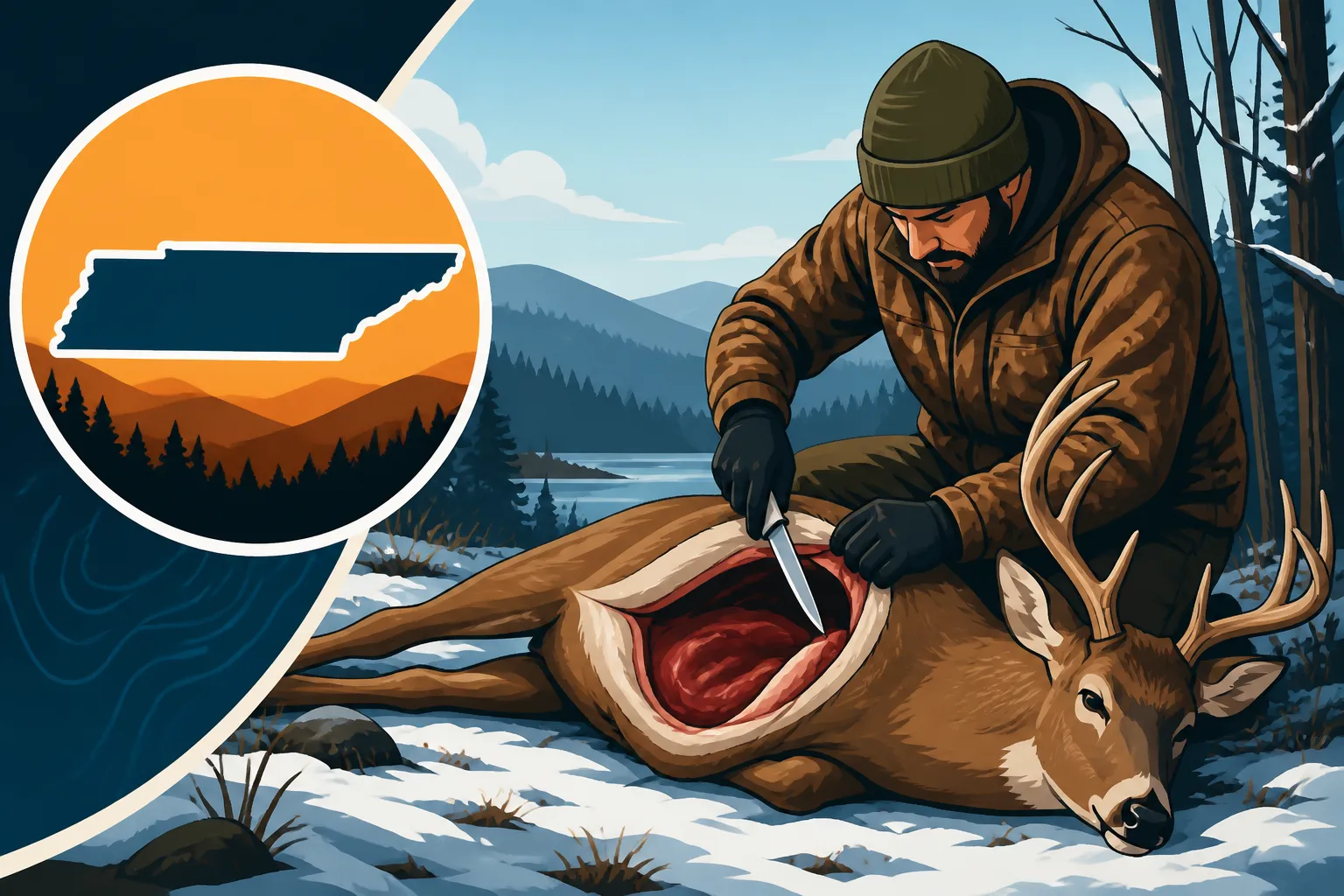
This is the most critical part of the process. With your sharp knife and waterproof gloves, begin your incision. For traditional gutting, start at the breastbone, just below the sternum, and carefully cut through the hide and muscle down to the pelvis. Be extremely careful not to puncture the intestines or stomach. A common technique is to insert two fingers into the initial cut, lifting the hide and abdominal wall away from the organs, and then guiding the knife blade between your fingers. This creates a "tent" that protects the organs.
Once the cavity is open, reach into the chest cavity and sever the trachea and esophagus as high up as you can reach. Then, working your way down, carefully free all the organs from the cavity walls. Make sure to cut around the anus and reproductive organs to free the rectum. With a firm pull, the entire organ mass should come out. Inspect the cavity for any lingering pieces. This entire process, while graphic, needs to be done meticulously. Whether you're doing a full gut or the increasingly popular gutless method (which is often favored by those doing Butchering a Deer at Camp or needing to break down the animal for lighter packs), the goal is to remove all internal organs quickly and cleanly. In very cold weather, the intestines might be a bit more rigid, which can sometimes make them easier to handle without tearing.
Cleaning and Cooling the Cavity
Once the organs are removed, the next crucial step, even in cold weather, is to clean out the body cavity. Wipe away any blood clots, loose tissue, or stomach contents using clean snow, leaves, or paper towels you brought with you. Some hunters even carry a small spray bottle of water for a quick rinse if available. The goal is to get the cavity as clean as possible to prevent bacterial growth that could still occur, even in cool temperatures.
After cleaning, the most important step for cold weather field dressing is to ensure proper airflow to cool the entire carcass rapidly. Prop the cavity open using a stick, a small rock, or even the deer’s own ribs. This allows the cold air to circulate freely, accelerating the cooling process and helping to prevent any pockets of warmth where bacteria could still flourish. If you’re in an area with a lot of leaf litter, consider hanging the deer for a short period to allow air to circulate completely around it, which is a good practice if you’re scouting with the Go Outdoors Tennessee Map Tool and looking for appropriate hanging spots near your kill. This initial rapid cooling is what sets the stage for high-quality venison.
Post-Field Dressing Care in Freezing Temperatures
The work isn't over once the internal organs are out. How you handle your deer immediately after field dressing, especially when temperatures are at or below freezing, can make a significant difference in the final taste and texture of your venison. Avoiding common pitfalls will ensure your efforts in the field don't go to waste.
Preventing Freezing and Rapid Thaw Cycles
While cold is your friend, freezing can actually cause issues if not managed properly. If a deer carcass freezes solid outside, it can make it incredibly difficult to skin and butcher later. Furthermore, if it freezes solid and then experiences a rapid thaw (e.g., being left in the sun, or brought into a warm garage too quickly), it can cause "cold shortening" of the muscle fibers, leading to tough meat. The ideal scenario is a slow, steady chill without completely freezing, especially if you plan on aging the meat.
To prevent the carcass from freezing solid in extremely cold conditions, especially overnight, you might need to take steps to get it to a more controlled cool environment. This could mean getting it to your vehicle and driving it straight to a processor or to a cool, shaded area at your home. If you must leave it out overnight, try to keep it covered with a tarp or blanket to moderate temperature swings, while still allowing for air circulation. This balance is tricky, but crucial for optimal meat quality.
Transporting and Continued Cooling
Once field dressed, the deer needs to be transported safely and kept cool. If you're fortunate enough to be hunting near your vehicle, load the deer carefully. Avoid throwing it on top of a hot hood or in the bed of a truck in direct sunlight, even if it’s cold outside. If possible, lay it on a tarp or some cardboard. If it’s truly freezing, you might even consider covering it lightly to prevent surface freezing during transit, but ensure air can still circulate.
For longer hauls, or if you're taking your deer to a professional processor, try to get it there as quickly as possible. If you're doing the butchering yourself, ensure you have a clean, cool space ready. The ideal temperature for chilling and aging deer meat is typically between 34-40°F (1-4°C). If you're bringing your deer home, you might need to quarter it and place it in coolers with ice (drained regularly) or in a dedicated game refrigerator. Don't underestimate the importance of this stage; the temperature control here is just as important as during field dressing. Hunters utilizing gear like what you'd find on GoHunt often have a full plan, right down to the coolers and game bags for Game Bags for Warm September Days and chilly November nights.
Why Speed Still Matters (Even in the Cold)
It's tempting to think that since it's cold, you can take your sweet time. And while you do have a longer grace period than in warm weather, speed and efficiency still matter. The quicker you get the deer field dressed and the body cavity opened up to cool, the better. Any delay in removing the internal organs means that internal body heat, even after death, continues to warm the surrounding muscle tissue, providing an environment where bacteria can still multiply before the carcass completely cools.
Furthermore, getting the blood out quickly is important for meat flavor. The faster and cleaner you can accomplish the field dressing, the less stress on the meat and the better the venison will be. Think of it as investing in the quality of your meal. So, while you might not be in a frantic race against the sun, maintaining a steady, efficient pace will always result in a superior product. This is especially true when considering the additional challenges of working with numb fingers or limited daylight, making a plan and execution paramount for successful Field Dressing Knives Worth Carrying and efficient work.
Disclaimer
The information provided in this guide is for general informational purposes only and does not constitute professional advice. Hunting regulations and best practices can change, and it is the responsibility of the individual hunter to stay informed of all current Tennessee Wildlife Resources Agency (TWRA) regulations, safety guidelines, and ethical hunting practices. Always prioritize safety and respect for wildlife.