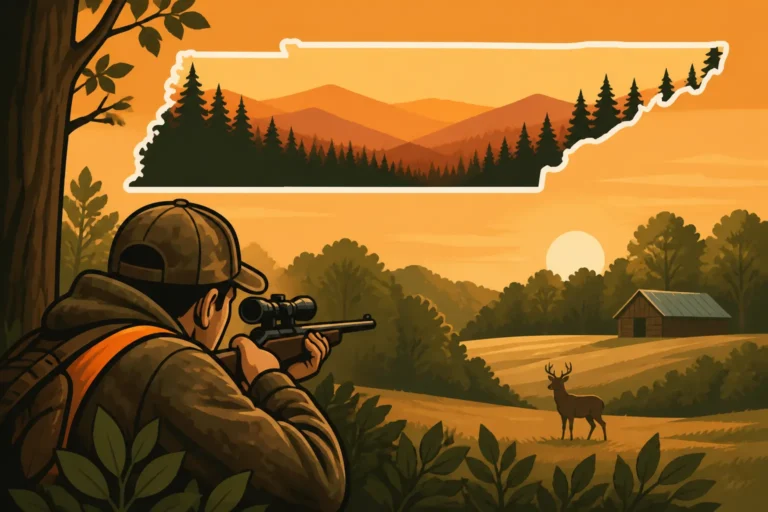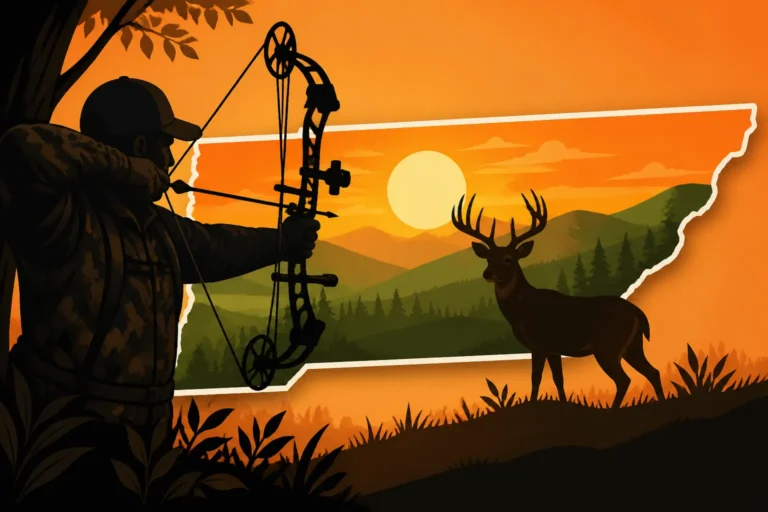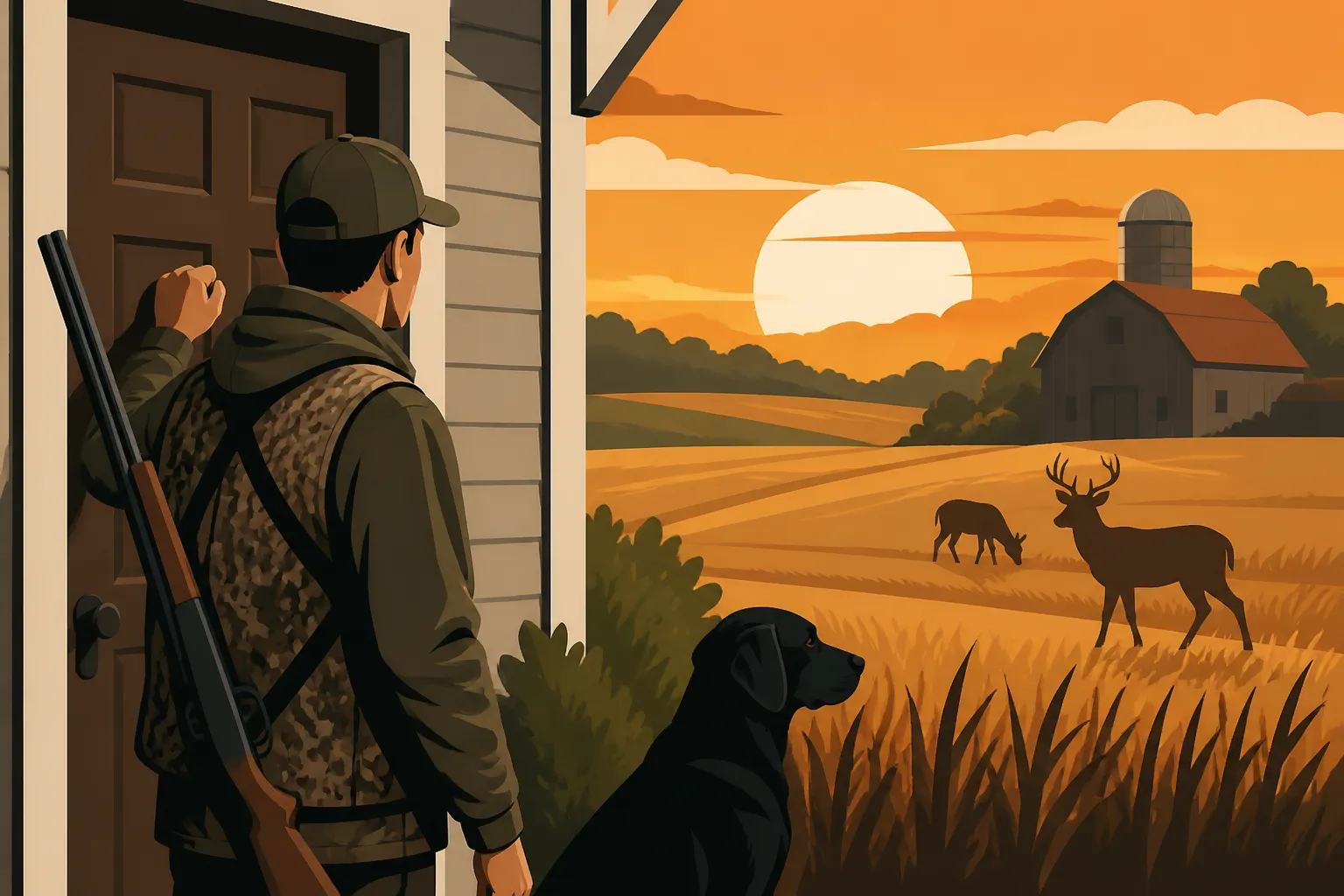
Knocking on Doors in West Tennessee Farm Country
It can feel incredibly daunting to break into the hunting opportunities offered by West Tennessee, especially when you see those sprawling farm fields and prime timber blocks, knowing most of them are private. For many hunters without existing family ties or established connections, the idea of finding a place to hunt can seem impossible. This comprehensive guide is designed to empower you with the strategies and confidence needed to respectfully approach landowners in West Tennessee farm country and successfully secure hunting permission.
Understanding the West Tennessee Farm Landscape
West Tennessee is a unique and often highly sought-after region for deer hunting, but it presents its own distinct set of challenges when it comes to gaining access. The land is predominantly privately owned, dominated by agriculture, which means public hunting opportunities are far scarcer than in other parts of the state.
The Allure of West Tennessee Deer Hunting
There's a reason why so many hunters dream of hunting in West Tennessee. The fertile soils, abundant food sources from row crops like corn, soybeans, and winter wheat, and the scattered, mature timber stands create an ideal environment for white-tailed deer. This rich habitat supports a healthy deer population, and crucially, it often produces bucks with impressive body sizes and antler growth. When you look at harvest reports and local taxidermy shops, you'll quickly see why West Tennessee is often highlighted as a prime spot for trophy-class deer. It's not uncommon for bucks here to carry more weight and develop larger racks due to the consistent, high-quality nutrition available year-round. Many hunters focus on this region specifically because of the potential for bigger, older bucks, and the genetics are certainly there to back it up.
The Reality of Private Land Dominance
Unlike the vast expanses of the Cherokee National Forest in East Tennessee, or the numerous WMAs scattered across the Cumberland Plateau, West Tennessee is primarily agricultural land. This means that if you want to hunt here, you're almost certainly going to need private land access. Public hunting land in Tennessee is relatively limited in the western grand division, with a few notable exceptions like the Hatchie National Wildlife Refuge Hunting or specific river bottom WMAs. This scarcity drives up the demand for private land, making it more competitive to secure hunting spots. Many of the most productive properties are already leased by hunting clubs, passed down through generations, or strictly controlled by landowners for personal use. This isn't meant to discourage you, but rather to set realistic expectations: getting permission here is a process that requires effort, respect, and a strategic approach.
Challenges of Accessing Prime Farmland
Beyond the simple fact of private ownership, accessing prime farmland comes with its own set of hurdles. First, many landowners in farming communities often have established relationships with hunters—sometimes family, friends, or long-term lease holders. Breaking into these established networks can be tough. Second, farmers are busy people. Their primary focus is their livelihood, which is tied directly to their crops and livestock. They might view hunters, especially unknown ones, as a potential liability or a distraction from their work. Crop damage, gate left open, trash, or even just general disrespect are all concerns that make landowners hesitant. It's a significant leap of faith for them to grant access, and they're often wary due to past negative experiences with other hunters. Understanding these challenges is the first step toward overcoming them.
Preparing for Your Door-Knocking Mission
Successful door-knocking isn't just about showing up; it's about thoughtful preparation that significantly increases your chances of success. Treat it like a job interview, where you're trying to win over a potential partner.
Researching Potential Properties and Landowners
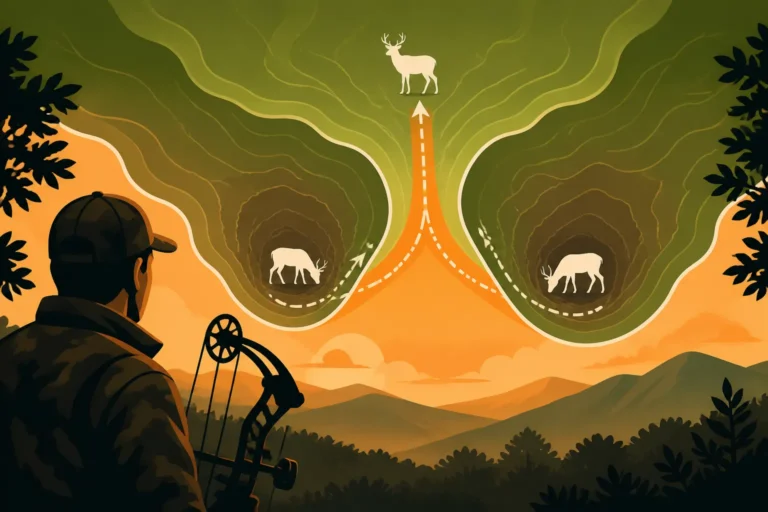
Before you even think about knocking, you need to know where to knock and who to talk to. This is where strategic research becomes invaluable. Start by looking at maps—topographic maps, aerial imagery, and plat maps. Identify areas that have a good mix of agriculture and timber, especially those parcels that might funnel deer movement between fields and bedding areas. Look for natural pinch points, creek bottoms, and hedgerows that connect different woodlots. Tools like onX Hunt, BaseMap, or even state-specific resources like the Go Outdoors Tennessee map tool, can be immensely helpful here. These platforms allow you to overlay property boundaries with landowner information, often providing names and mailing addresses.
Once you have a list of potential properties and landowner names, do a quick online search if possible. You might find a local business connection or community involvement that can serve as a polite conversation starter. Understanding the lay of the land, even from a satellite image, can help you articulate why you're interested in their specific property. For instance, you might say, "I noticed your property has a fantastic wooded draw that seems to connect to the creek bottom, and it looks like a perfect travel corridor for deer." This shows you've done your homework and respect their land. Companies like GoHunt can provide detailed mapping and land ownership data, making the initial scouting phase much more efficient and targeted, allowing you to focus on the most promising properties.
Crafting Your Approach and Presentation
How you present yourself can make or break your chances. This isn't a casual visit.
- Appearance: Dress neatly and conservatively. You don't need to wear hunting camo, but clean jeans, a collared shirt, and presentable boots give an impression of respectability and responsibility. Avoid anything that might seem intimidating or overly aggressive.
- Your "Pitch": Practice what you're going to say. Keep it concise, polite, and focused on what you can offer, not just what you want. Start by introducing yourself, stating your purpose clearly and humbly. For example: "Hello, my name is [Your Name], and I'm a hunter from [Your Town]. I was hoping to speak with the landowner about the possibility of deer hunting on your property this season."
- Bring Documentation: Have a small, organized folder or portfolio. Include:
- Your current Tennessee hunting license and big game permit. This demonstrates you're a legal, licensed hunter.
- Proof of hunter education certification. This shows you're formally trained in safety.
- Liability insurance information. While not mandatory in Tennessee, offering to show proof of a general liability policy (some national hunting organizations like SCI or NRA offer this as a member benefit) can go a long way in alleviating landowner concerns about accidents.
- A simple, one-page "agreement" or "permission slip." This doesn't have to be a legal document, just something you can both sign stating the dates, specific areas, and any agreed-upon rules. This formalizes the permission and shows you take it seriously. It helps both parties remember the terms.
- Offer Something in Return: Think about what you can do for them. Can you help fix a fence? Look for lost livestock? Keep an eye on the property? Offer a portion of your harvest? These gestures, even if not accepted, show your goodwill.
Timing Your Visit for Best Results
Timing is crucial. Farmers typically work from sunup to sundown, especially during planting and harvest seasons. Showing up during their busiest times will likely result in a quick "no" or no answer at all.
- Avoid Peak Farming Seasons: Steer clear of spring planting (March-May) and fall harvest (September-November). These are their most stressful and time-sensitive periods.
- Ideal Times: Late winter (January-February, after deer season but before spring planting) or mid-summer (June-August, after first hay cutting but before fall harvest) can be good. Weekdays in the late afternoon, but before dinner, might be best. Weekends can be hit or miss—some farmers might be relaxing, others catching up on work.
- Respect "No Trespassing" Signs: If you see "Posted" or "No Trespassing" signs, do not knock. Move on to the next property. Respecting these signs is non-negotiable and shows your understanding of Tennessee Trespass and Permission Law.
The Art of the Conversation: What to Say and Do
This is the moment of truth. Your goal is to be memorable for all the right reasons: polite, respectful, and responsible.
Making a Good First Impression
When you approach the door, take a deep breath. Make eye contact, smile genuinely, and start with a warm, polite greeting.
- Start with respect: "Good afternoon, ma'am/sir. I apologize for interrupting, but I was hoping to speak with you for a moment about your property."
- State your purpose clearly but softly: "My name is [Your Name], and I'm an ethical hunter looking for a respectful place to hunt deer this upcoming season. I've admired your land for a while and was wondering if you might consider allowing access."
- Listen more than you talk: Pay close attention to their responses, concerns, and questions. Let them lead the conversation after your initial introduction. Don't interrupt.
- Be prepared for immediate rejection: Sometimes a landowner will say "no" right away. Be gracious. Thank them for their time and move on. "Thank you for your time, I understand completely. Have a good day." Your polite exit might leave a positive impression for future interactions, or even lead them to reconsider later.
What to Offer and What to Avoid
This is where you differentiate yourself from other hunters who might just ask for access.
- Offer to help: "I'd be happy to help with any chores around the farm, like mending fences, clearing brush, or keeping an eye on your property for anything out of the ordinary." Even if they decline, the offer itself is powerful.
- Emphasize safety: "I am a very safety-conscious hunter. I hunt alone/with one trusted partner, I will always let you know when I'm on your property, and I'm happy to follow any specific rules you might have about stand placement or shooting lanes." Mentioning your hunter education is also key.
- Respect their land: "I promise to treat your land with the utmost respect. No trash, no disturbing livestock, and I'll be mindful of any crops or personal property."
- Discuss what you'll harvest: Be clear about your intentions. Are you after a mature buck, or are you willing to take antlerless deer to help manage the population? Offering to help with Filling a Three-Antlerless DMU Limit in some areas might be attractive to farmers experiencing deer damage.
- Avoid making demands or assumptions: Never assume you have permission or push if they seem hesitant. Do not offer money upfront unless they bring it up. While some landowners lease, many are wary of transactional relationships with unknown individuals. An unsolicited cash offer can come across as disrespectful or desperate.
- Clarify boundaries: If permission is granted, be sure to clarify exactly where you can hunt and where you absolutely cannot. Use a map (like one from GoHunt) to physically mark boundaries.
Handling Rejection Gracefully
It's going to happen. You're going to hear "no" more often than "yes," and that's perfectly normal. Don't take it personally.
- Thank them anyway: "Thank you so much for your time. I completely understand." A sincere thank you, even in rejection, leaves a positive impression.
- Ask for advice (if appropriate): Sometimes, if the conversation went well despite the "no," you might politely ask, "Do you happen to know anyone else in the area who might be open to granting hunting permission?" They might not, but sometimes they'll point you to a neighbor or an elderly relative who would appreciate the company or assistance.
- Learn from it: After each encounter, reflect. What went well? What could you have done differently? Did you talk too much? Not listen enough? Adjust your approach for the next door. Remember that every "no" brings you closer to a "yes."
Building Long-Term Relationships and Trust
If you are fortunate enough to gain permission, remember that this is just the beginning. The goal isn't just a single season of hunting; it's to build a lasting relationship based on trust and mutual respect.
Respecting the Land and the Landowner's Rules
This cannot be overstated. Every single promise you made during your initial conversation must be kept.
- Follow all rules: If they said no ATVs, don't use an ATV. If they said no hunting near the house, stay clear. These rules are non-negotiable.
- Communicate your presence: Always let them know when you're going to be on their property and when you've left. A simple text message like, "Heading out to the stand now, will let you know when I'm done," or "Just got out of the woods, saw a few does," goes a long way.
- Leave no trace: Pack out everything you pack in. Double-check for empty shell casings, snack wrappers, or anything else you might have dropped. Your presence should be undetectable to anyone walking the property after you leave.
- Be careful with gates and fences: Close every gate you open. Check fences if you climb over them. Any damage to their infrastructure is a direct hit to their livelihood.
- Be mindful of farming operations: If they're working a field, stay out of that area. Give them ample space and never interfere with their machinery or livestock.
Offering Assistance Beyond Hunting Season
True appreciation extends beyond the hunting months. Building a strong relationship means being a good neighbor year-round.
- Seasonal help: Can you help with small tasks during planting or harvest? Maybe assist with checking fences, cleaning up storm debris, or helping to move hay bales? Even a few hours of your time can be a huge help to a busy farmer.
- Property watch: Offer to keep an eye on their property when they're away or during off-peak times. Knowing they have an extra set of trusted eyes can be invaluable.
- Small gestures: A homemade pie, a gift basket at Christmas, or a small portion of your deer jerky can be thoughtful ways to show gratitude. These aren't bribes; they're genuine tokens of appreciation for the privilege of hunting on their land.
- Share your harvest: Many landowners, especially if they don't hunt themselves, appreciate fresh venison. Offering a nicely butchered cut of deer meat is a wonderful way to say thank you. For tips on processing, consider resources like Butchering a Deer at Camp or Deboning Venison Before Leaving the CWD Zone.
The Value of Communication and Updates
Maintaining open lines of communication builds trust and prevents misunderstandings.
- Share hunting reports (if desired): Some landowners love to hear about what you're seeing. "Saw a nice 8-pointer on the back forty today!" or "The turkeys are really active near the creek." This keeps them engaged and shows you're not just taking, but also sharing observations about their land.
- Address issues immediately: If you accidentally cause even minor damage (a broken branch, a scuff on a gate), inform them immediately and offer to fix it. Honesty builds trust; trying to hide it destroys it.
- Check in regularly: A phone call or text every now and then, even outside of hunting season, just to say hello and see how things are going, reinforces that you value them beyond just the hunting opportunity.
- Discuss next season: Towards the end of the current season, politely inquire about the possibility of hunting again next year. This allows them to express any concerns and for you to reaffirm your commitment to being a responsible hunter.
| Do's of Door Knocking | Don'ts of Door Knocking |
|---|---|
| Do dress neatly and respectfully. | Don't wear full camo or muddy boots. |
| Do be polite and introduce yourself clearly. | Don't be pushy or demand access. |
| Do listen more than you talk. | Don't interrupt the landowner. |
| Do have your license, hunter ed, and a permission slip ready. | Don't forget to bring your credentials. |
| Do offer to help on the farm. | Don't offer money unless they bring it up. |
| Do respect "No Trespassing" signs. | Don't trespass under any circumstances. |
| Do be clear about your hunting intentions and rules. | Don't make assumptions about access or areas. |
| Do thank them for their time, even if denied. | Don't argue or get discouraged by a "no." |
| Do clean up all your trash. | Don't leave any litter behind. |
| Do communicate your presence and follow all rules year-round. | Don't disappear after hunting season until next year. |
Knocking on doors in West Tennessee farm country can feel like a shot in the dark, but with the right preparation, a respectful attitude, and a commitment to being a good steward of their land, you can absolutely open up incredible hunting opportunities. It's about building relationships, one handshake at a time, and proving yourself to be a trustworthy individual who values the land and the people who work it.
Disclaimer
Hunting rules, regulations, and seasons can change frequently. Always consult the latest Tennessee Wildlife Resources Agency (TWRA) regulations before heading afield. This guide is for informational purposes only and does not supersede official TWRA publications or legal advice.