Orange Requirements for Archery Hunters
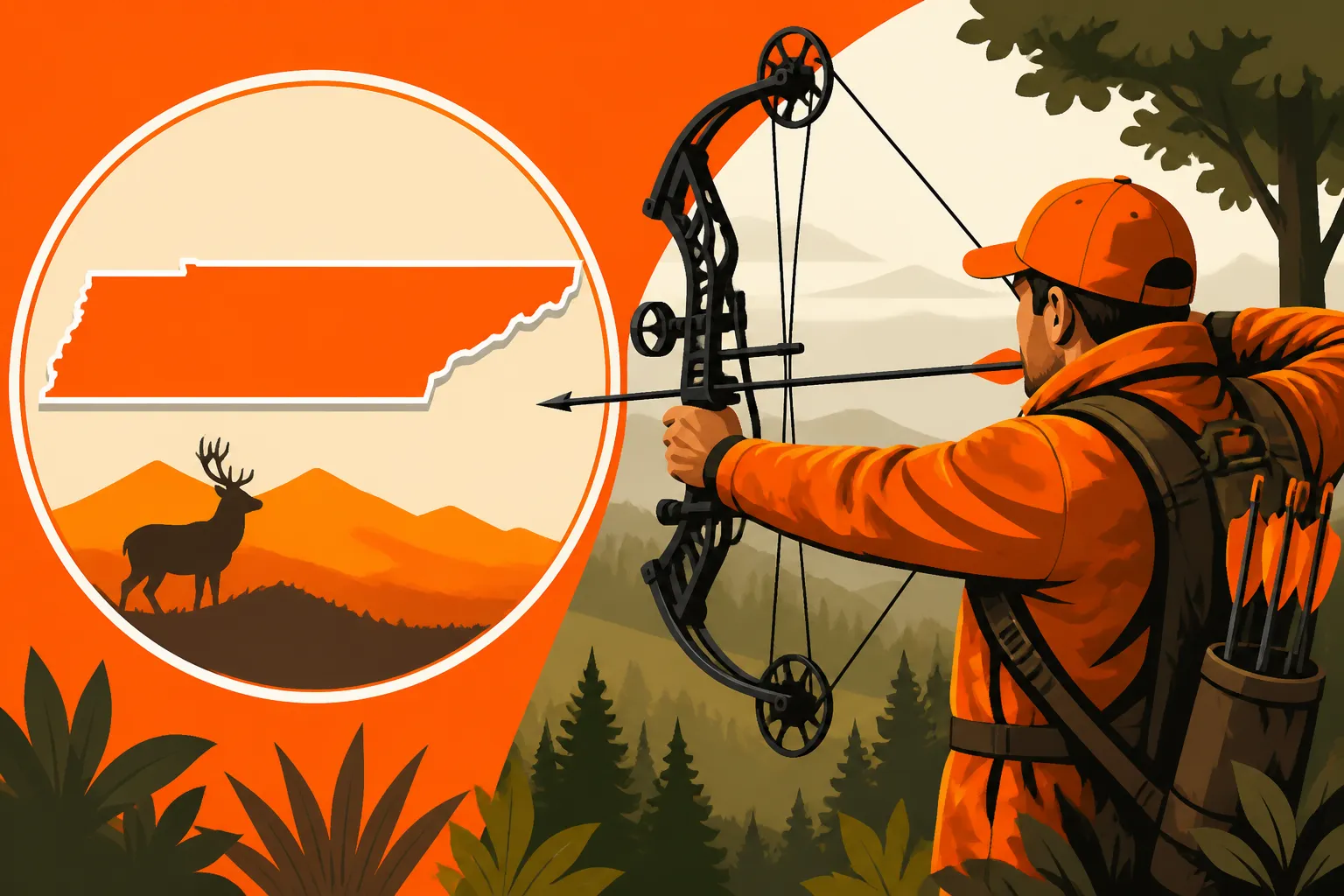
Navigating the ever-changing landscape of hunting regulations can feel like a full-time job, especially when you're an archery hunter in Tennessee trying to figure out what to wear when you're slipping through the timber. It's not always clear when that blaze orange vest needs to come out of your pack, and nobody wants to risk a safety issue or a citation simply because they misunderstood a rule. This guide is here to untangle the blaze orange requirements specifically for archery hunters, ensuring you stay safe, legal, and focused on the hunt.
Understanding Tennessee's Blaze Orange Laws
Let's be honest, for many of us, the sight of blaze orange immediately brings to mind gun season – the bright, undeniable signal of a firearm hunter in the woods. But Tennessee's regulations around this critical safety color aren't always a simple "yes" or "no," especially for the dedicated archer. It's a nuanced set of rules designed to keep everyone safe, but those nuances can definitely lead to confusion.
The General Rule for Gun Hunters
First, let's establish the baseline. Generally, during any statewide gun deer season, anyone hunting deer or bear, or those accompanying someone hunting deer or bear, must wear at least 500 square inches of solid blaze orange or fluorescent pink. This isn't just a suggestion; it's a hard and fast rule. This blaze orange or pink must be visible from both the front and back, and it's typically worn as a vest, hat, or both. The idea is simple: make hunters as visible as possible to prevent accidental shootings, particularly when visibility might be low due to weather, dense cover, or the excitement of the hunt. This regulation applies equally to public and private lands, making it a universal safety measure across the state.
Think about those crisp November mornings, the fog hanging low in a river bottom, or the thick laurel slicks on the Cumberland Plateau. Without that splash of color, it would be incredibly difficult to spot another hunter, especially one who is still-hunting or trying to move quietly. This rule is a cornerstone of hunter safety courses for a very good reason: it saves lives. Even if you're an experienced hunter, relying on others to see you through thick cover is paramount.
Archery-Only Seasons and Your Options
Now, here's where the archery hunter's specific questions come into play. During periods designated as archery-only deer seasons, the blaze orange requirement is typically suspended for bowhunters. This is a huge relief for many archers who prefer to blend into their surroundings, relying on stealth and camouflage to get within bow range of wary whitetails. The reasoning here is that during these specific windows, the primary hunting method involves quiet, close-range engagement, and there are generally no firearms being used for deer hunting in the same areas. So, if you're out during the early statewide archery-only season, you can breathe easy and wear your favorite camo.
However, it's crucial to understand the "archery-only" designation. This specifically means only archery equipment (bows, crossbows) can be used for deer. It doesn't mean no firearms are allowed in the woods for any purpose. For instance, if you're small game hunting with a shotgun during an archery-only deer season, you might still have blaze orange requirements for small game, depending on specific WMA rules or if you're in an area where dog hunting for small game is ongoing. Always double-check the fine print for whatever you're pursuing and the specific area you're hunting. You can often find these nuances using resources like the GoHunt app, which typically compiles all the relevant state regulations for easy access right on your phone, even if you're out of cell service with a downloaded map.
Why the Rules Exist Safety First
The purpose behind these blaze orange laws, whether for gun hunters or specific overlaps for archers, is singular: safety. Hunting accidents, especially those involving misidentification or hunters swinging on game and hitting another person, are tragic and largely preventable. Blaze orange acts as a high-visibility deterrent, making a human profile stand out starkly against natural backgrounds, even in low light or dense foliage. It's not about giving away your position to deer (they see in a different spectrum anyway), but about being unmistakable to other hunters.
Consider a common scenario: a deer drive on public land. Even if you're posted with a bow during an archery-legal overlap, the drivers might be carrying firearms, and they will be wearing orange. Your presence, even as an archer, needs to be known and visible to them. This isn't just about avoiding a fine; it's about coming home safe to your family after a successful hunt. The rules exist because of lessons learned, often the hard way, and adhering to them is a sign of responsible hunting. It helps build a culture of safety that benefits everyone who enjoys Tennessee's woods and fields. Tennessee Hunter Education Requirements cover these principles in detail, laying the foundation for safe hunting practices across the state.
Navigating Overlapping Seasons
The trickiest part for many Tennessee archery hunters isn't the archery-only season – that's pretty straightforward. It's when other seasons, particularly firearm seasons, begin to overlap with the archery opportunities. This is where you absolutely must pay attention, because failure to do so can have serious consequences.
Archery During Muzzleloader Season
Tennessee's muzzleloader season typically offers a valuable two-week window for hunters before the general gun season really kicks in. Many archers love this time because the woods are a bit quieter, and deer patterns might still be somewhat predictable. However, if you choose to hunt with your bow during the statewide muzzleloader season, the blaze orange rule does apply to you. Even though you're carrying a bow, other hunters in the woods will be carrying muzzleloaders, and they are required to wear blaze orange.
Therefore, for your own safety and to comply with the law, you must wear the minimum 500 square inches of blaze orange or fluorescent pink. Don't assume that just because you're using archery equipment, you're exempt. The rule isn't about your weapon; it's about the presence of firearm hunters in the woods. Imagine trying to still-hunt a ridge during this period. You're moving slowly, deliberately, perhaps trying to sneak in on a bedded buck. If a muzzleloader hunter is doing the same, that flash of orange is the only thing that might prevent a dangerous encounter. Muzzleloader Deer Hunting in Tennessee offers more insights into hunting during this specific period.
Archery During General Gun Season
This is the big one. When Tennessee's general gun deer season opens, it's a significant shift in the woods. Whether you're hunting deer or bear with a gun, muzzleloader, or archery equipment, if it's the general gun season, you are required to wear blaze orange or fluorescent pink. This period typically sees the highest concentration of hunters in the woods, especially on opening weekend, and visibility is paramount. For archery hunters who decide to extend their season into this period, understanding this rule is non-negotiable.
Many archers choose to simply hang up their bows during the general gun season and switch to a rifle, but for those who stick with archery, the orange goes on. This includes late-season opportunities where archery is still legal, even if it overlaps with gun seasons. You'll need to make sure your outer garment, covering your chest and back, meets the minimum surface area. This ensures you're clearly visible to anyone who might be walking through the woods or setting up for a gun hunt. Think of it as a mutual respect: you wear orange for them, and they're wearing orange for you. It's all about increasing the margin of safety for everyone. You can track exact season dates by checking the Tennessee Deer Season Structure Explained or your GoHunt app for updated information.
Special Youth Hunts and Orange
Tennessee offers fantastic youth hunting opportunities, providing young hunters with a chance to get into the field before or during general seasons. These hunts are incredibly important for fostering the next generation of conservationists. However, during these youth deer weekends, the blaze orange requirements remain critical. Any adult accompanying a youth hunter (mentor) during these firearm opportunities, whether for deer or bear, must adhere to the blaze orange rule, regardless of the equipment they are carrying.
The youth themselves, if they are hunting with a firearm, will also need to wear blaze orange. If a youth is participating in an archery-only youth hunt that doesn't overlap with a firearm season, then the orange might not be required for the youth or the mentor. But the general principle stands: if there's a possibility of firearms being used for big game, or if you're mentoring a firearm hunter, the orange comes out. Always review the specific regulations for Tennessee Youth Deer Hunt Rules before heading out to ensure both the youth and accompanying adults are properly outfitted for safety and compliance.
Practical Application for Archery Hunters
Knowing the rules is one thing; actually applying them in the field is another. For archery hunters, who often prioritize stealth and camouflage, integrating blaze orange can feel counterintuitive. However, it's a vital part of responsible hunting during those overlapping seasons.
Measuring Up: How Much Orange Do You Need?
Tennessee regulations specify "at least 500 square inches of hunter orange or fluorescent pink visible from the front and back." This isn't just a patch; it's a significant amount of material. Typically, this means a vest that covers most of your torso, often combined with a hat. The key is visibility from all angles, not just straight ahead or behind. When you're picking out your gear, consider how you'll be moving and what your profile will look like from various perspectives.
Here's a breakdown of common blaze orange items and their approximate coverage:
| Item Type | Typical Coverage | Notes |
|---|---|---|
| Full Vest | 400-600 sq. inches | Most common and effective. Look for vests that are not easily obscured by backpacks or broad shoulders. Some vests are designed to ride higher to avoid interference with a backpack hip belt, ensuring full visibility. |
| Blaze Orange Hat | 100-150 sq. inches | Excellent for adding to overall coverage and ensuring visibility above brush. A full beanie or baseball cap style works well. |
| Backpack Cover | Varies widely | If your backpack covers a significant portion of your vest, a blaze orange pack cover can be a great addition to maintain visibility from the rear. Ensure it's truly "solid" orange and not just patterned. |
| Armbands/Leg Bands | Minimal, supplementary | These are generally not sufficient on their own but can be used as supplementary markers, especially if you're concerned about visibility when bending over or moving through thickets. They are not a replacement for the 500 sq. inch requirement. |
| Fluorescent Pink | Same as blaze orange | Some hunters prefer fluorescent pink, which is also legal and provides the same high visibility. It offers an alternative for those who like the option. |
The important thing is that the color is solid, not just a small logo or a camouflage pattern with some orange in it. The intent is to provide an unmistakable, highly contrasting color that stands out against the natural greens, browns, and grays of the Tennessee landscape. If you're using a tree stand, ensure your orange is visible even when you're seated and your pack is hanging. Treestand Setups in Cherokee National Forest should always account for this.
Beyond the Minimum: Smart Safety Choices
While 500 square inches is the legal minimum, being "legal" doesn't always equate to being "safest." For archers, especially those who prefer still-hunting or stalking, increasing your visibility beyond the minimum could be a very smart move during gun season overlaps. This might mean wearing a full blaze orange jacket instead of just a vest, or adding a blaze orange cap even if your vest technically meets the minimum.
Think about the conditions you're hunting in: thick fog, heavy rain, or even just the dim light of dawn and dusk. In these situations, more orange is almost always better. It's a small concession for your safety and the safety of others. Moreover, communicating your presence is another layer of safety. If you're on public land, letting others know where you'll be hunting, even if it's just a conversation at the trailhead or using an app like GoHunt to mark your location, can prevent misunderstandings. Don't rely solely on the orange; let it be part of a comprehensive safety mindset that includes awareness, communication, and clear identification.
Gear Considerations for Archery Hunters
Integrating blaze orange into an archery setup requires a bit of thought. You want to remain visible to other humans but minimize anything that might spook deer. The good news is that deer perceive colors differently than humans. While we see bright orange, deer typically see it as a dull gray or brown, not as an alarming, vibrant color. So, wearing orange doesn't necessarily give away your position to game animals.
When choosing blaze orange gear for archery, look for items that are quiet and don't restrict your movement or bow draw. Many companies now make lightweight, quiet blaze orange vests specifically for hunters.
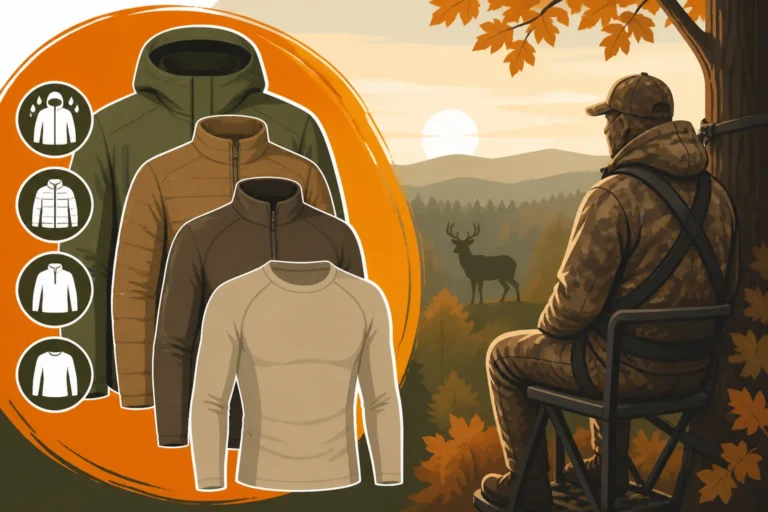
- Layering: You can wear your blaze orange vest over your regular camouflage layers. If it gets cold, your insulated orange jacket might be your primary outer layer. Clothing for a Tennessee Late Season is critical, and many late-season hunting jackets integrate blaze orange.
- Bow Sling/Arm Guard: While not required, some archers will use a small blaze orange strip on their bow sling or an orange armguard to further enhance visibility without affecting their shot.
- Pack Integration: If your pack typically covers your back, consider a blaze orange pack cover. This ensures that even with a heavy pack, your rear visibility is maintained.
- Tree Stand Safety: When using a tree stand, always wear your blaze orange over your safety harness. This ensures your orange is visible even if your harness is obscuring part of your torso. Remember to use a Safety Harnesses and Lifelines every time you climb.
The key is to integrate orange seamlessly into your existing gear without compromising your ability to hunt effectively or quietly.
Consequences of Non-Compliance and Staying Informed
Ignoring blaze orange requirements isn't just a minor oversight; it's a serious issue that carries both legal penalties and, more importantly, significant safety risks. Every hunter has a responsibility to know and follow the rules, not just for themselves but for the entire hunting community.
What Happens if You Don't Wear Orange?
First and foremost, not wearing required blaze orange or fluorescent pink can result in a citation. While the exact fines can vary, a wildlife violation can be costly and could impact your hunting privileges. Law enforcement, such as TWRA officers, take these rules seriously because they are directly tied to hunter safety. Nobody wants to have their hunt interrupted, or worse, cut short by a game warden for an easily avoidable infraction.
Beyond the legal ramifications, the most severe consequence is the increased risk of an accident. Failing to wear blaze orange makes you significantly harder to identify as a human, especially during peak firearm seasons. This dramatically increases the chance of being mistaken for game or being in the line of fire. It's a risk no hunter should ever take. The woods can be unpredictable, and even the most careful hunters can make mistakes. That bright color is your best defense against those mistakes turning tragic. Always prioritize safety above all else, even if it means a slight adjustment to your preferred camo pattern.
Staying Current with Regulations
Tennessee's hunting regulations, like those in many states, are dynamic. Seasons, bag limits, and specific rules for certain WMAs can change from year to year. While the core blaze orange requirements tend to be fairly consistent, specific overlaps or new regulations could always be introduced. As a responsible hunter, it's your duty to stay informed.
Here's how you can keep up:
- TWRA Hunting Guide: The Tennessee Wildlife Resources Agency (TWRA) publishes an annual hunting guide. Always pick up the latest copy or download the PDF from their website. Read it thoroughly, paying special attention to the "General Regulations" section and the specific species you're hunting.
- TWRA Website: The official TWRA website is a fantastic resource for real-time updates, news releases, and detailed information.
- GoHunt App: For hunters who rely on technology, mapping apps like GoHunt are invaluable. They often integrate state regulations directly into their platforms, allowing you to check rules and boundaries right from your phone, even offline if you've downloaded the maps for Scouting With the Tennessee TWRA App. Many also provide push notifications for regulation changes or special alerts.
- Local TWRA Offices: Don't hesitate to call or visit your local TWRA office if you have specific questions about regulations in your hunting area. Getting clarification directly from the source is always the best approach.
- Hunter Education: Even if you've taken a hunter education course years ago, reviewing the core principles of hunter safety, including blaze orange, is never a bad idea. Tennessee Hunter Education Requirements are in place for a reason.
By actively staying informed, you not only ensure your own compliance and safety but also contribute to a safer, more ethical hunting environment for everyone who ventures into the Tennessee wilderness.
Disclaimer
This article is for general informational purposes only and does not constitute professional advice. Laws, prices and regulations vary by location and change over time. Consult a qualified professional for guidance on your specific situation.