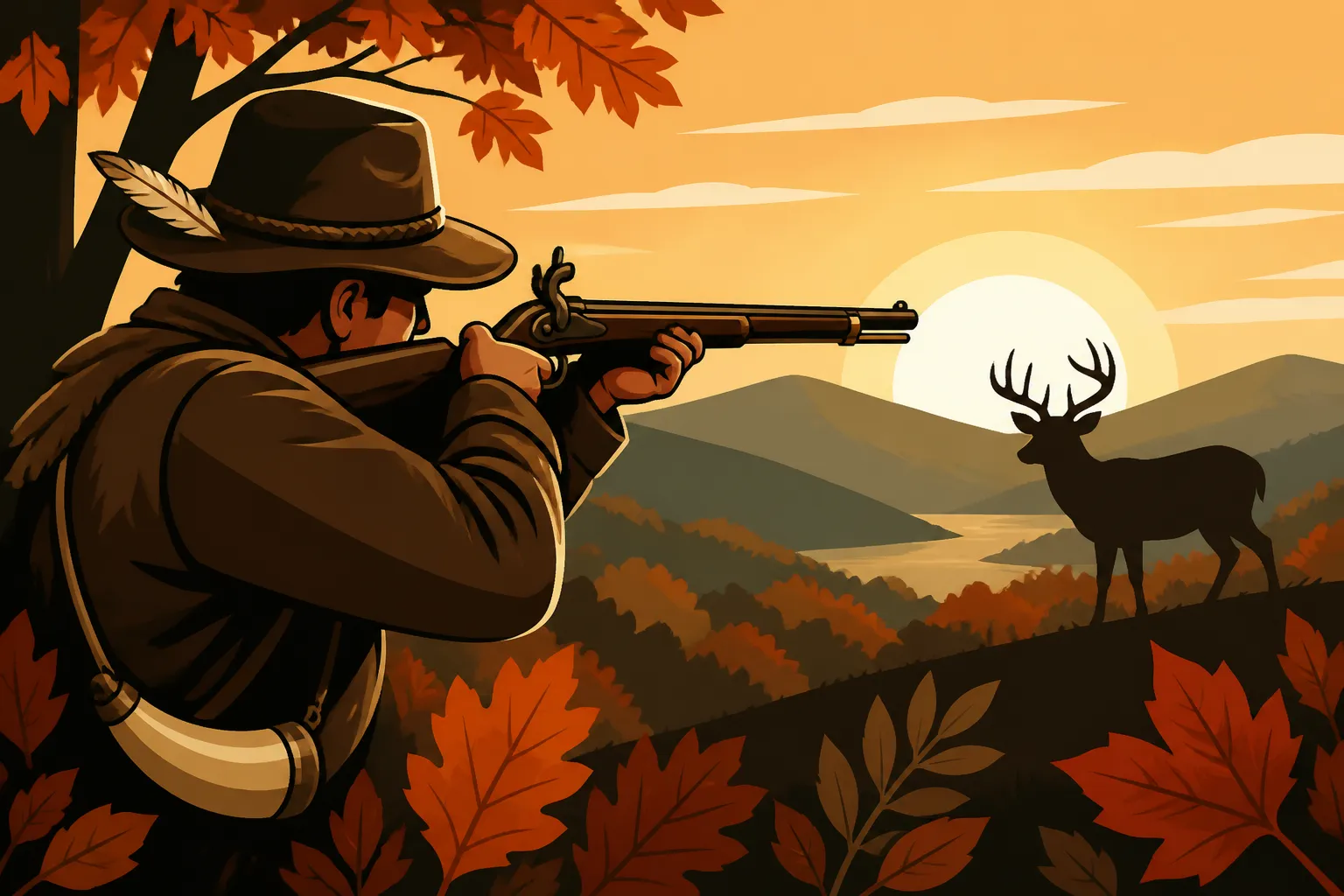
Muzzleloaders for a Tennessee November
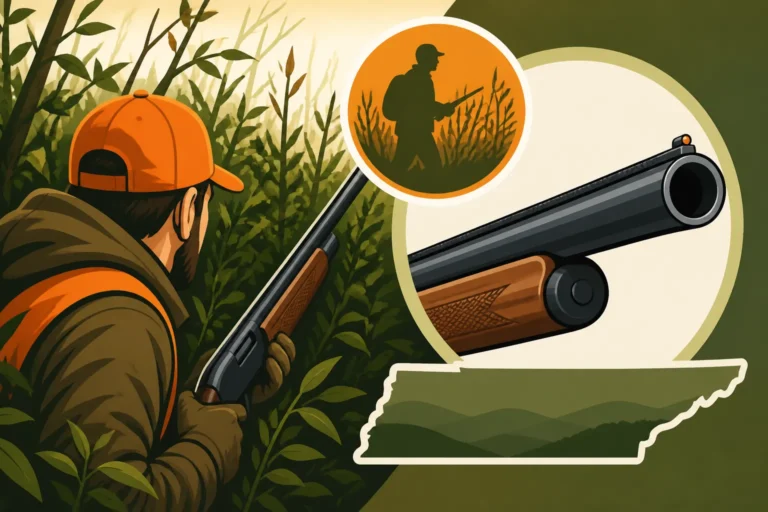
There's a special kind of anticipation that builds when muzzleloader season rolls around in Tennessee. Many of us find ourselves torn between the yearning for the simplicity of a single-shot firearm and the undeniable frustrations that can come with their sometimes finicky nature. From powder getting damp to inconsistent groups on the range, muzzleloaders demand a different level of attention, but the rewards are immense. This guide will walk you through everything you need to know to make your Tennessee November muzzleloader hunt successful, from gear choices to field tactics.
The Enduring Appeal of Muzzleloader Season in Tennessee
For many hunters, muzzleloader season isn't just another segment of the deer season; it's a revered tradition, a throwback to simpler times, and often, one of the most exciting times to be in the woods. There's something inherently challenging and satisfying about connecting with game using a firearm that demands precision in loading, meticulous attention to detail, and a deep understanding of its limitations.
Why Muzzleloader Season is a Hunter's Favorite
Picture this: the air is crisp, the leaves are mostly down, revealing more of the forest, and the woods are alive with the possibility of the rut. That's often what Tennessee's muzzleloader season delivers. It typically falls at a prime time in the hunting calendar, bridging the gap between the early archery hunts and the full swing of modern gun season. This timing means you're often out there when deer activity is high, whether bucks are still cruising for does or beginning to shift towards late-season food sources. It offers a unique window where deer are often more visible than during the early bow season, but the hunting pressure hasn't reached the peak of the general firearms opener.
The appeal also lies in the challenge. Unlike a modern rifle with multiple rapid shots, a muzzleloader is a one-and-done affair. This single-shot aspect forces you to slow down, to be more deliberate in your approach, and to make that first shot count. It cultivates patience and a deeper connection to the hunt. For many, it's about embracing a piece of history, honoring the methods of our ancestors, and experiencing the satisfaction that comes from mastering a more primitive tool. It truly is a special time to be chasing whitetails in the Tennessee woods.
Understanding Tennessee's Muzzleloader Regulations
Navigating Tennessee's hunting regulations can sometimes feel like trying to untangle a stubborn knot, especially when it comes to specific seasons and weapon types. For muzzleloaders, it's critical to know the rules inside and out. Generally, the Tennessee Wildlife Resources Agency (TWRA) defines a muzzleloader as a firearm loaded from the muzzle, including black powder rifles, shotguns, and pistols. However, the specifics can get a bit nuanced.
For instance, not just any old muzzleloader will do. You need to ensure your chosen firearm meets the minimum caliber requirements for deer – usually .40 caliber or larger. Then there are the propellant types: traditional black powder, or approved synthetic substitutes like Pyrodex or Triple Seven, are the standard. Smokeless powder is a no-go in traditional muzzleloaders. Pay close attention to the rules regarding projectiles; while saboted bullets are widely accepted, specific regulations might dictate their use, especially concerning lead restrictions in certain areas. It's also worth noting that during the dedicated muzzleloader season, you might be allowed to use scopes, which isn't always the case in other states' primitive weapon seasons. This is a huge advantage for many hunters. Always check the current TWRA Hunting and Trapping Guide for the exact dates and any changes in regulations, which can shift from year to year. Knowing the precise Tennessee Muzzleloader Season Dates is your first step to a legal and successful hunt.
Choosing the Right Muzzleloader for Tennessee Terrain
Selecting the right muzzleloader is a personal decision, but for Tennessee's diverse landscapes, some choices definitely make more sense than others. From the steep, rugged ridges of the Cumberland Plateau to the dense bottomlands of West Tennessee, your firearm needs to perform reliably.
In-line vs. Traditional Percussion/Flintlock
When we talk muzzleloaders today, most hunters are thinking of the "in-line" models. These are modern marvels compared to their historical counterparts. In-lines feature a breech plug system that uses a modern 209 shotshell primer, which ignites the powder directly in line with the bore. This design makes them incredibly reliable, especially in damp or cold conditions, and they are generally easier to clean. For hunters in Tennessee who need a firearm that will consistently fire whether it's spitting rain in the mountains or foggy in a river bottom, an in-line is often the way to go. Their accuracy potential is also much higher, making longer, more ethical shots possible within the muzzleloader's effective range.
On the other hand, if you're a purist, a traditional percussion cap or even a flintlock might call to you. These offer an unparalleled connection to hunting history. Percussion rifles use a cap placed on a nipple to ignite the charge, while flintlocks use a flint striking a frizzen to create a spark. While incredibly rewarding to hunt with, they are significantly more susceptible to misfires in wet weather. Keeping the pan and primer area dry is a constant battle. In Tennessee's often humid and rainy November, this can be a real challenge. You'll need to be extra diligent with waterproofing, using things like beeswax to seal the pan or carrying extra protection for your primers. If you choose a traditional model, plan your hunts carefully around weather conditions, and understand that your effective range will likely be much shorter. Many hunters stick to in-lines for their reliability and ease of use, especially when chasing that buck of a lifetime during a prime hunting window.
Caliber and Ballistics for Tennessee Whitetails
The .50 caliber muzzleloader is, without a doubt, the king of the hills for Tennessee deer hunting. It's widely popular for good reason: it delivers plenty of kinetic energy for a clean, ethical kill on whitetails, and ammunition is readily available. A .50 caliber bullet typically provides a larger wound channel and better blood trails, which can be crucial when tracking a deer through the thick undergrowth common in our state. For hunters who might be facing a variety of shot angles or distances, the .50 caliber offers a solid balance of power and manageable recoil.
While less common, .45 caliber muzzleloaders are also perfectly legal and effective, especially when paired with heavier sabot projectiles. Some hunters find the .45 caliber to offer flatter trajectories and slightly less recoil, which can be an advantage for smaller-framed shooters or those who prefer a little more accuracy potential at the upper end of muzzleloader ranges. However, bullet selection becomes even more critical with a .45 to ensure adequate energy transfer and expansion.
The key is less about absolute maximum range and more about ethical shot placement. Muzzleloaders, even modern in-lines, are not long-range precision instruments. For most hunters in Tennessee's timbered environments, a shot out to 100-150 yards is pushing the envelope, and often much closer is the reality. Focus on what your specific muzzleloader, powder charge, and bullet combination can consistently deliver accurately. The Muzzleloaders Under Tennessee Rules article further clarifies which specific types and calibers are permissible, ensuring you’re always hunting legally and effectively.
Essential Optics and Sights for Your Muzzleloader
Just because you're hunting with a "primitive" weapon doesn't mean you're stuck with primitive sighting systems. Tennessee's regulations generally allow for a variety of optics during muzzleloader season, giving you the flexibility to choose what best suits your hunting style and the conditions you face.
Open Sights, Peep Sights, and Scopes
For those who truly embrace the traditional aspect, open sights are the classic choice. These typically consist of a front blade sight and a rear notch sight. They are simple, rugged, and won't fog up or get knocked out of alignment easily. However, their precision is limited, especially in low light or at longer distances. They force you to get close, making the hunt more challenging and intimate. For dense cover or short-range shots, they are perfectly adequate.
Stepping up in precision, peep sights (often paired with a fiber optic front sight) offer a significant advantage over open sights. A peep sight creates a precise aiming point, allowing your eye to naturally center the front sight. This can dramatically improve accuracy, particularly for older eyes or in situations where quick target acquisition is needed. Many traditional-style muzzleloaders can be fitted with peep sights, bridging the gap between open sights and scopes.
However, for maximum accuracy and low-light performance, a scope is often the preferred choice for many Tennessee muzzleloader hunters. Low-power, fixed-magnification scopes (like a 1-4x or 2-7x) are excellent choices. They gather more light, making early morning or late evening shots in dark timber much clearer, and they allow for precise aiming. Given that Tennessee often allows scopes during muzzleloader season, it's a huge benefit. Just remember that extreme high magnification isn't usually necessary for the typical ranges of muzzleloader hunting, and it can actually hinder quick target acquisition in thick cover.
Maximizing Visibility in Low Light Conditions
Tennessee's woods in November can be notoriously dim. Early mornings are often foggy or heavily shaded, and late evenings see the light disappear quickly into thick hollows and dense creek bottoms. This is where your choice of sighting system really matters. If you're using open sights, look for models with bright fiber optic inserts on both the front and rear. These glowing dots can make a world of difference in picking up your sight picture against a dark background, giving you those precious extra minutes of shooting light.
For those opting for a scope, prioritize good glass with excellent light transmission. A larger objective lens (the front lens) can help gather more light, but remember that the quality of the glass and coatings is often more important than sheer size. Variable power scopes with a true 1x or 2x on the low end are ideal for quickly acquiring a target that might pop out unexpectedly close, while still offering enough magnification for a slightly longer shot. Consider models with illuminated reticles; a glowing dot or crosshair can be invaluable when trying to place a shot on a deer standing in shadows. No matter your choice, practice extensively in varying light conditions. You need to know your effective range not just in bright daylight, but when the shadows are long and the light is fading. This preparation is key to ethical hunting, ensuring you can clearly see your target and confidently place your shot. The article Muzzleloader Deer Hunting in Tennessee offers additional insights on practical setups for these conditions.
Ammunition and Powder Considerations
The components you feed your muzzleloader are just as critical as the firearm itself. The right combination of projectile and powder can mean the difference between frustrating accuracy issues and consistent, repeatable groups that inspire confidence.
Sabots vs. Conicals: Making the Right Choice
This is often where the biggest debates among muzzleloader hunters arise. Saboted bullets are essentially modern rifle bullets encased in a plastic sleeve (a sabot). The sabot engages the rifling of the barrel, imparting spin to the bullet, and then falls away after leaving the muzzle. The main advantage here is superior ballistic performance. These bullets typically fly flatter and retain energy better at longer ranges, and they are usually more accurate than traditional conicals. They also tend to load more easily, as the plastic sabot is designed to fit snugly without excessive force. For hunters looking to maximize their effective range and accuracy in Tennessee's more open hardwood ridges or field edges, sabots are often the preferred choice. However, some jurisdictions might have restrictions on sabots during primitive weapon seasons, though generally not in Tennessee.
Conical bullets, on the other hand, are solid lead projectiles that are full bore diameter. They rely on their soft lead to engage the rifling directly. Traditionalists often prefer conicals for their historical accuracy and the satisfaction of loading a "true" muzzleloader projectile. Conicals deliver a heavy impact and create large wound channels, often performing exceptionally well on deer at closer ranges. However, they tend to have a much more arced trajectory than sabots and can be less accurate at extended distances. Loading can also be more challenging, requiring a significant amount of force to seat them properly, and consistency in seating is paramount for accuracy. For hunting in dense thickets or creek bottoms where shots are almost always close, conicals are a formidable choice. The decision often boils down to your desired range, ease of loading, and personal preference for modern performance versus traditional feel.
Powder Types and Measurement
The heart of any muzzleloader is its powder, and getting this right is fundamental to accuracy and reliability. Traditionally, hunters used true black powder, a mixture of charcoal, sulfur, and saltpeter. It's powerful, but it's also very corrosive and produces a thick cloud of smoke, making follow-up shots difficult (though with a single-shot muzzleloader, that's less of a concern). Cleaning immediately after shooting is non-negotiable with black powder.
Most modern muzzleloader hunters opt for black powder substitutes. Brands like Hodgdon's Pyrodex and Triple Seven are incredibly popular. These substitutes burn cleaner, are less corrosive, and often produce less smoke than traditional black powder. They are also generally considered safer to handle. However, they still require meticulous cleaning after each use to prevent corrosion and maintain accuracy. When choosing a substitute, ensure it's compatible with your muzzleloader and follow the manufacturer's recommendations for load data.
Measuring your powder charge is an art and a science. Muzzleloader charges are typically measured by volume, not weight, using a volumetric powder measure. Consistency is absolutely paramount. Even a slight variation in the amount of powder can significantly impact your point of impact. Find a charge that produces the best accuracy in your firearm and stick with it. Some hunters even pre-measure charges into small, sealed containers for quick and consistent loading in the field. And don't forget the importance of keeping your powder dry! Keeping Powder Dry in Wet Weather is not just good advice; it's essential for a muzzleloader hunter in Tennessee, where damp conditions are common throughout November.
Practice and Preparation for the November Hunt
You wouldn't head out with a modern rifle without zeroing it in, and the same (or even more so) applies to your muzzleloader. The unique nature of these firearms demands a different level of practice and preparation to ensure you're confident when that shot opportunity arises.
Mastering Your Muzzleloader's Accuracy
Unlike cartridge firearms, where consistency is largely built into the ammunition, achieving accuracy with a muzzleloader is a partnership between you, your firearm, and your loading sequence. It starts at the range. Don't just shoot once and call it good. Muzzleloaders typically require cleaning between shots (or at least every few shots) to maintain accuracy, as powder residue builds up in the bore. Develop a precise loading sequence: pour powder, seat projectile consistently with firm pressure, prime the gun. Any deviation can alter your point of impact.
Your goal isn't just to hit the target, but to consistently group your shots within an ethical killing zone at various distances. For most Tennessee whitetail hunting with a muzzleloader, practicing out to 100-150 yards should be your maximum, with a heavy emphasis on 50-75 yards, which is where many shots occur. Practice from hunting positions – off-hand, kneeling, or from a tree stand rest – not just from a bench. Pay attention to how changes in temperature and humidity affect your powder and projectile performance. Use resources like GoHunt to scout areas, identify potential shot distances, and then tailor your range practice to those scenarios. This meticulous attention to detail at the range will translate into confidence in the field, making sure you're ready to make that one shot count when a Tennessee buck steps out.
Field Maintenance and Weatherproofing
Tennessee weather in November can be famously unpredictable, shifting from crisp, sunny mornings to damp, drizzly afternoons in a heartbeat. For a muzzleloader hunter, this isn't just an inconvenience; it can be a hunt-ending problem if your powder or primer gets wet. Keeping your muzzleloader ready to fire in the field requires proactive weatherproofing.
Start with your primers. Many hunters use a small piece of electrical tape over the primer cap or a plastic "weather shield" if their gun has one, to prevent moisture from reaching the ignition source. For the muzzle itself, a small piece of balloon or electrical tape over the bore will keep rain and debris out without impeding the bullet's exit. Some prefer specially designed muzzle caps. The breech plug is another critical area; ensure it's clean and well-lubricated before your hunt.
In the field, if you get caught in a downpour, try to keep your muzzleloader tucked under your coat or inside a waterproof case. When walking through thick brush, be mindful of branches brushing against the muzzle or knocking your primer. After a wet hunt, even if you didn't fire, it's wise to at least remove the breech plug and dry out the powder chamber, and potentially swab the bore. A misfire due to damp powder is one of the most disheartening things that can happen in the deer woods, especially when Hunting the Rut in Early November and a big buck presents itself. Taking these extra steps ensures your muzzleloader is always ready to perform.
Muzzleloader Tactics for Tennessee Deer
Muzzleloader season in Tennessee often falls during a critical period of deer activity, making your tactical approach even more important. Understanding deer behavior during this window and tailoring your hunting methods accordingly can significantly increase your odds of success.
Scouting and Stand Placement
The timing of Tennessee's muzzleloader season can vary slightly year to year, but it generally overlaps with or closely follows the peak of the rut. This means deer, particularly bucks, are still very active, searching for does. Your scouting should focus on areas where does congregate, as bucks will inevitably be nearby. Look for fresh scrapes and rubs, especially those appearing along travel corridors between bedding areas and food sources. Funnels – those narrow strips of timber between fields, saddles on ridges, or bottlenecks along creek bottoms – become high-traffic highways for cruising bucks.
Food sources are also crucial, particularly as the season progresses into late November. Acorns, if available, are always a major draw. However, if it's been a poor acorn year, deer will quickly shift to agricultural fields, standing corn, or planted food plots. Using mapping tools, like those available through GoHunt, can help you identify these key areas and pinpoint optimal stand locations. Consider setting up in pinch points that force deer past your position, or on ridge-top saddles where bucks might be scent-checking for does. Remember that deer patterns can change rapidly during the rut, so adaptability in your stand placement is key. Being able to shift your setup based on fresh sign and changing wind conditions will make a huge difference.
Stalking and Still-Hunting Strategies
The inherent quietness of a muzzleloader, coupled with the often-dense cover found in many Tennessee hunting areas, makes still-hunting and stalking incredibly effective tactics during this season. Unlike loud modern centerfire rifles, the single-shot nature of a muzzleloader means you're generally moving slower and more deliberately, reducing your noise signature. This style of hunting demands patience and meticulous attention to detail.
When still-hunting, move slowly – often taking only a few steps every minute or two – pausing frequently to scan your surroundings. Use your binoculars more than your feet. Look for horizontal lines (a deer's back) in a vertical world (trees), or the flick of an ear, the shine of an antler, or a patch of hair that doesn't quite look like a tree trunk. Focus on areas with good visibility but also enough cover to break up your outline. Ridge systems, creek bottoms, and the edges of thickets are prime spots. Pay close attention to wind direction, always keeping it in your favor. Still-Hunting Cumberland Plateau Ridges is a classic Tennessee tactic that lends itself perfectly to muzzleloaders.
Stalking takes this a step further, involving a more direct and intentional approach to a deer you've spotted or heard. This requires absolute silence, careful foot placement to avoid breaking twigs or rustling leaves, and using natural cover to conceal your movement. The goal is to get within that ethical muzzleloader range – often 50-75 yards – for a clear shot. Both still-hunting and stalking are incredibly rewarding because they immerse you deeper into the hunt, demanding all your senses and woodsman skills. They force you to become part of the environment rather than just an observer. This is particularly true during the critical two weeks of Hunting the Muzzleloader-Only Two Weeks when deer are active and hunter numbers are often lower than the rifle season.
| Muzzleloader Type | Pros | Cons | Ideal Terrain/Conditions | Common Calibers |
|---|---|---|---|---|
| In-Line | High reliability, excellent accuracy, easy to clean, modern primer ignition | Less "traditional" feel for some, can be heavier | All Tennessee terrain, especially wet/cold weather, longer shots (up to 150 yds) | .50, .45 |
| Traditional (Percussion/Flintlock) | Authentic hunting experience, simple mechanics, classic aesthetic | Prone to misfires in wet weather, more difficult to clean, limited accuracy at range | Dense cover, short shots (under 75 yds), dry weather, traditionalist preference | .50, .54, .45 |
| Projectile Type | Pros | Cons | Typical Performance |
|---|---|---|---|
| Saboted Bullet | High accuracy, flatter trajectory, good energy retention, generally easier loading | Plastic sabot can be temperature-sensitive, not legal in all "primitive" seasons (but okay in TN) | Excellent for longer shots in open woods/fields, clean kills, good blood trails |
| Conical Bullet | Heavy impact, large wound channel, traditional feel, good for brush busting | Significant trajectory drop, more difficult to load consistently, less accurate at range | Best for close-range shots in thick cover, devastating impact, requires practice for consistent loading |
Advanced Tips and Troubleshooting
Even with the best preparation, hunting with a muzzleloader can present unique challenges. Knowing how to handle these situations, especially when facing Tennessee's late-season conditions, can make or break your hunt.
Cold Weather Performance and Reliability
Tennessee Novmber can throw a real curveball with its temperatures. One day it's mild, the next it's dipping into freezing territory. Cold weather can impact muzzleloader performance in several ways. Primer ignition can become sluggish, and certain powders might not burn as efficiently. To combat this, ensure your breech plug is meticulously clean before heading out. A fouled breech plug is a common culprit for misfires, and cold can exacerbate the issue. Using a hotter 209 primer (some brands make specific "magnum" primers) can help ensure reliable ignition in colder temperatures.
Another factor is the powder itself. Some black powder substitutes can become less energetic in extreme cold. Consider storing your pre-measured powder charges in an inner pocket close to your body to keep them warm. When loading in the field, handle your powder and primer with gloved hands if possible, to avoid introducing moisture or oils. A completely dry bore is crucial. If you're setting up for a long sit in freezing temperatures, periodically check your muzzle and primer area for condensation or ice buildup. A small piece of tape over the muzzle and primer pocket can prevent moisture intrusion. Remember, a muzzleloader that doesn't fire when the moment of truth arrives is just an expensive stick. Don't let cold weather steal your opportunity.
Ethical Shot Placement and Tracking
Because a muzzleloader is a single-shot firearm, shot placement is not just important – it's absolutely critical. You don't have the luxury of a quick follow-up shot. Therefore, the classic "boiler room" shot – aiming for the heart and lungs just behind the shoulder – is paramount. Take your time. Ensure the deer is broadside or slightly quartering away, offering a clear path to the vital organs. If the shot doesn't feel right, don't take it. Patience is rewarded far more often than hurried shots.
Even with a perfectly placed shot, deer can run. Tracking in Tennessee's varied terrain can be challenging, especially as the leaves are often down, creating a thick carpet that can obscure blood trails. Wait at least 20-30 minutes after the shot, or even longer if you suspect a marginal hit, to give the deer time to expire. Mark your last known blood or sign. Then, proceed slowly and methodically, looking for blood, disturbed leaves, tracks, and broken twigs. Sometimes, a deer will circle back towards its bedding area, or head for the thickest cover available. If the trail is sparse, expand your search. Don't be afraid to enlist help from friends, but be careful not to contaminate the trail with too many footprints. Knowing how to track effectively, even Blood Trailing After Dark in Tennessee, is a vital skill for any muzzleloader hunter, ensuring that your ethical shot results in a recovered animal. Always respect the game and do everything in your power to recover your harvest.
Disclaimer
This article is for general informational purposes only and does not constitute professional advice. Laws, prices and regulations vary by location and change over time. Consult a qualified professional for guidance on your specific situation.