Asking a Tennessee Farmer for Permission
The dream of finding a prime hunting spot often feels like an uphill battle, especially when public lands are crowded or far away. Many of us have driven past promising-looking fields or timber, wishing we had a way to access them, but the thought of knocking on a stranger's door to ask for permission can be incredibly daunting, even downright intimidating. This guide is here to walk you through the realistic steps and considerations for respectfully approaching a Tennessee landowner, making that first contact, and hopefully, earning the privilege of hunting their private ground.
Overcoming the Fear of the "Ask"
Let's be honest, asking for permission to hunt can feel like you're asking for a huge favor, and the fear of rejection is real. Most of us don't like putting ourselves in a position to hear "no." But in a state like Tennessee, where so much prime habitat is privately owned, learning to navigate these conversations is a crucial skill for any hunter looking to expand their opportunities beyond public tracts. It's not just about getting access for one season; it's about building relationships that can last for years.
Why Farmers Might Say Yes (or No)
Understanding a landowner's perspective is the first step to success. Farmers and landowners have a lot on their plates, and their land is often their livelihood, their home, and a place they've poured sweat and tears into. They've likely had both good and bad experiences with hunters in the past, and those experiences heavily influence their current willingness to grant access. A "no" might stem from a previous hunter leaving gates open, cutting fences, driving across fields, littering, or simply being disrespectful. These bad apples spoil it for everyone else. They might also have family or friends who hunt the property, or they might be concerned about liability, property damage, or even nuisance wildlife issues that they're trying to manage themselves.
On the flip side, a "yes" often comes when a landowner sees a responsible, respectful individual who can potentially offer value. Maybe they have a persistent coyote problem, or too many deer eating their crops, and they're looking for someone trustworthy to help manage the population. Perhaps they appreciate having an extra set of eyes on their property, especially if they live off-site or travel frequently. Sometimes, it's just about meeting a good person who reminds them of themselves or a trusted friend. Don't underestimate the power of a genuine connection and shared values. Tennessee Deer Damage Permits for Farmers are a real thing, highlighting that some landowners genuinely need help with wildlife management.
Shifting Your Perspective on "No"
Hearing "no" can sting, but it's important not to take it personally. As we discussed, there could be a myriad of reasons completely unrelated to you why a landowner declines your request. Maybe they just had a negative encounter last week, or their cousin just asked them, or they're just too busy with harvest to even think about it. Instead of seeing it as a personal failing, view each "no" as simply one step closer to a "yes." Not every piece of ground is going to be available, and that's okay.
The key is to remain polite and grateful, regardless of the answer. A simple, "Thank you for your time, I understand completely," can leave a positive impression even if you don't get access today. You never know when circumstances might change, or when that landowner might remember your respectful demeanor and consider you in the future. Burning a bridge by arguing or showing frustration only ensures that door remains permanently closed, not just for you, but potentially for other deserving hunters down the road.
Preparation is Key: Doing Your Homework
You wouldn't head into the woods without scouting, and you shouldn't approach a landowner without doing your homework either. A well-prepared hunter shows respect, competence, and thoughtfulness, all qualities that landowners appreciate. This isn't just about finding the property; it's about understanding the land, the owner, and the local context.
Researching Potential Properties
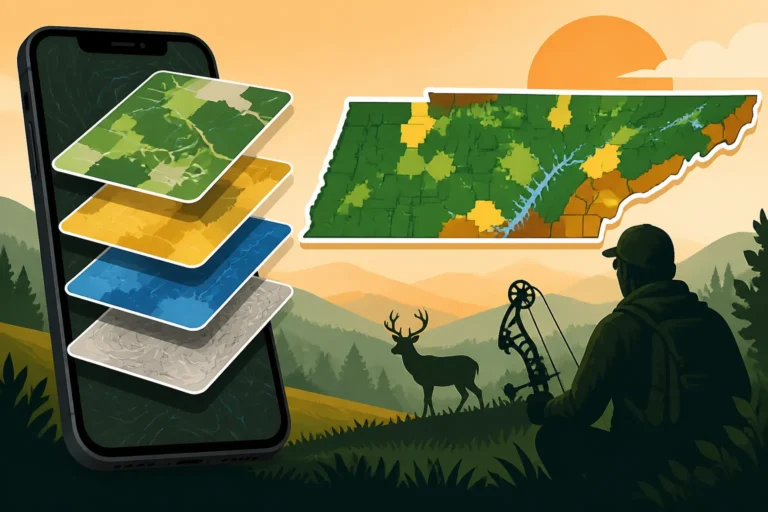
Before you even think about knocking on a door, you need to identify potential properties and their owners. Modern mapping tools are incredibly helpful here. Platforms like onX Hunt are invaluable for identifying land ownership, parcel boundaries, and potential access points. You can zoom in and see if a property has good cover, food sources, or pinch points that might hold game. You can also get the landowner's name and sometimes even a mailing address, which can be useful if a direct knock isn't feasible. Finding Tennessee Property Lines is crucial here; you absolutely need to know who owns what.
Beyond just the map, drive or walk the roads around the property (staying on public roads, of course) to get a feel for the area. Look for signs of game, like rubs, scrapes, or tracks along the edges. Note any potential challenges, like busy roads, houses nearby, or livestock. The more you know about the property before you speak to the owner, the more informed and confident you'll sound. It also shows you've put in effort and are serious about your request, rather than just randomly knocking on doors. This preparatory work distinguishes you from someone just looking for a quick, easy spot.
Understanding Local Regulations and Seasons
Knowing the rules of the game is non-negotiable. Before you even approach a farmer, be intimately familiar with Tennessee's hunting regulations for that specific area, including seasons, bag limits, and any special restrictions for the county or Deer Management Unit (DMU) it falls within. For instance, are you in a CWD-affected county where special rules about carcass transport apply? What are the antlerless deer limits? Is it archery, muzzleloader, or gun season? Tennessee Deer Season Structure Explained and Tennessee Spring Turkey Season Rules are great resources to review.
Beyond state regulations, also consider local nuances. Is this property in a suburban-archery-only zone, even if it feels rural? Are there local ordinances about firearm discharge? You need to present yourself as a knowledgeable and law-abiding hunter. Ignorance of the law is never an excuse, and admitting you haven't bothered to learn the rules before asking for access to someone else's property is a surefire way to get a "no." Being able to confidently discuss these details demonstrates your commitment to ethical hunting and respect for the land.
The Approach: Making a Good Impression
First impressions are everything, and this is especially true when asking a landowner for hunting permission. This isn't a sales pitch, but it does require you to present yourself and your intentions clearly and respectfully.
When and How to Make First Contact
Timing is critical. Avoid peak planting or harvest seasons when farmers are incredibly busy and stressed. Early spring (after turkey season, before planting) or late summer (before deer season kicks off) are often good windows. Weekday evenings or Sunday afternoons can be good times, but always be prepared for them to be busy. If they look preoccupied, offer to come back another time.
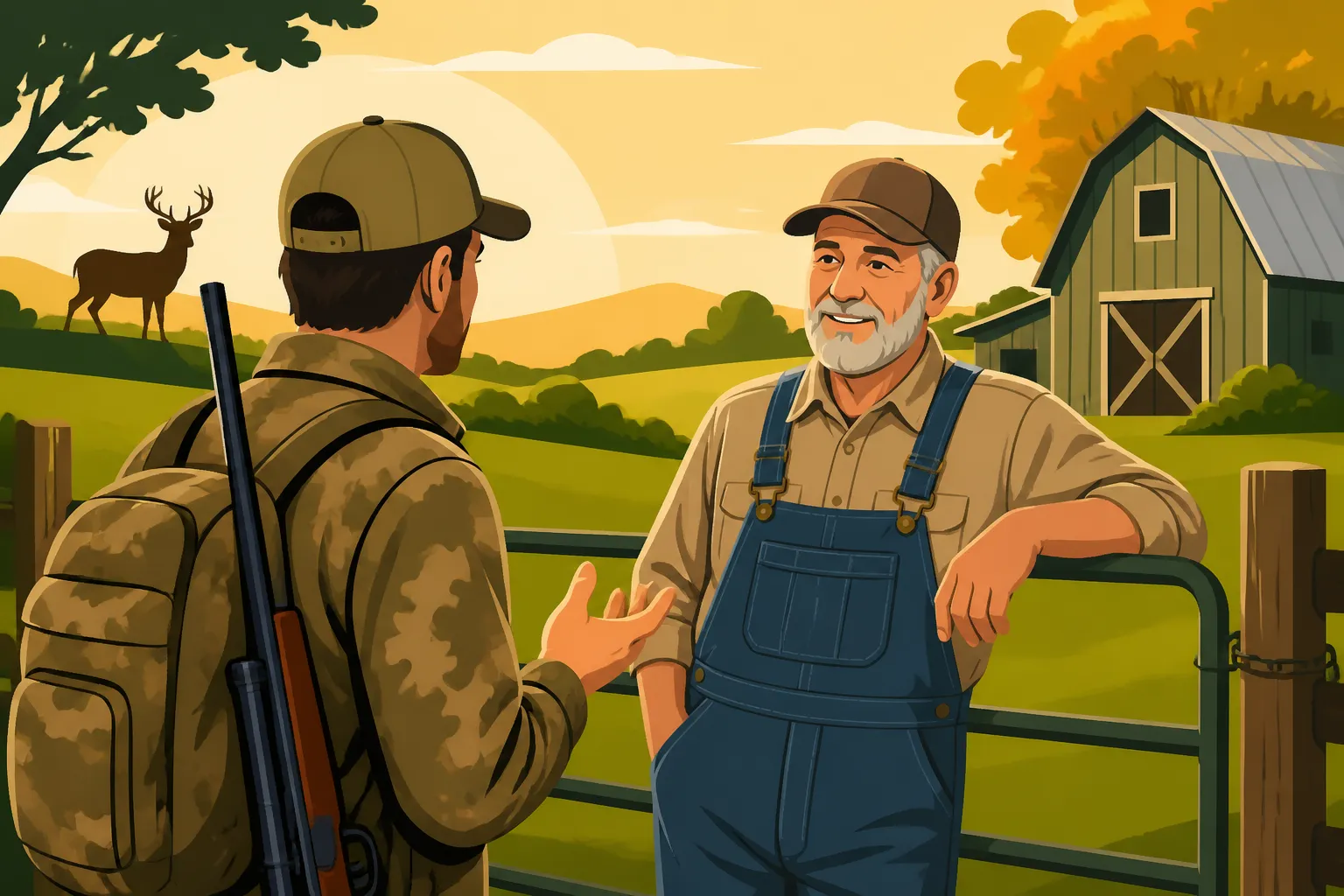
A direct, in-person visit is usually best. It shows initiative and allows for a personal connection. Dress neatly – you don't need a suit, but clean clothes, no strong scents (like cologne), and a presentable appearance speak volumes. Leave your hunting gear in the truck; you're not there to hunt, you're there to introduce yourself. If you can't reach them in person after a few attempts, a polite, hand-written letter can be an alternative, introducing yourself and asking for a chance to speak with them. Avoid cold-calling by phone unless it's the only contact method available. Knocking on Doors in West Tennessee Farm Country really drives home the need for this direct, personal touch.
What to Say and What Not to Say
When you meet the landowner, introduce yourself clearly and state your purpose upfront. "Hello, my name is [Your Name], and I was hoping to speak with you for a few minutes about the possibility of deer hunting on your property." Be humble and polite. Emphasize that you respect their land and would treat it as your own. Mention that you've noticed good habitat and would appreciate the opportunity.
Do:
- Be respectful: Use "sir" or "ma'am" if appropriate.
- Be clear: State your intentions directly but politely.
- Be prepared: Have your license and ID ready if they ask.
- Offer help: "If you ever need a hand with anything on the farm, I'd be happy to help."
- Ask about their needs: "Are you having any issues with deer damage or other wildlife?"
- Be specific: "I'm primarily interested in bowhunting for deer, if that's something you'd consider."
Don't:
- Be demanding or entitled: "I just want to hunt that big buck I saw."
- Be vague: "Can I hunt here?" (What, when, how?)
- Complain about public land pressure: This isn't their problem.
- Lie or exaggerate: Honesty is paramount.
- Bring up money immediately: Focus on trust first.
- Overstay your welcome: Keep it brief and to the point.
A simple table to summarize:
| DO | DON'T |
|---|---|
| Introduce yourself and state your purpose clearly. | Be vague or evasive about your intentions. |
| Dress neatly and respectfully. | Show up in dirty hunting clothes. |
| Emphasize respect for their property. | Assume access or act entitled. |
| Ask about their specific needs (e.g., deer damage). | Focus only on your desire to hunt. |
| Offer to help with chores or provide game meat. | Immediately offer money for access. |
| Be prepared to show your license and insurance. | Act like you're above local regulations. |
| Be gracious, even if the answer is no. | Argue or become defensive. |
| Offer to sign a liability waiver. | Fail to address their concerns. |
Presenting Your Case Professionally
Beyond just what you say, how you say it matters. Maintain eye contact, speak clearly, and project confidence, not arrogance. If they express concerns about liability, you can offer to sign a release form (many hunters carry one, or offer to draft one). Explain your hunting style – for example, if you're a quiet bowhunter who primarily hunts from a treestand, that might sound less intrusive than a group doing deer drives. Mentioning that you use a reliable mapping app like onX Hunt or GoHunt can show them you're meticulous about property boundaries and will know exactly where you are at all times, which can alleviate trespassing concerns.
If they ask about past hunting experiences, be honest and highlight your ethical practices. Share examples of how you've been a responsible hunter in the past, perhaps mentioning a time you helped another landowner or how you meticulously field-dress and process your game. Reassure them you'll communicate your presence, always close gates, pick up any trash (even if it's not yours), and avoid disturbing livestock. Making a detailed, specific promise about how you'll conduct yourself can go a long way in building initial trust.
Building a Relationship: Earning Continued Access
Getting permission is just the first step. The true goal is to build a lasting relationship that ensures you have access for years to come, and that comes from being a truly great guest. Treat their property better than you would your own.
Being a Respectful and Responsible Hunter
Once you have permission, uphold every promise you made and then some. Communication is absolutely paramount. Always notify the landowner before you go out, even if it's just a quick text or phone call, so they know who's on their property. Share your general hunting plan: "I'll be in the back timber, walking in from the old logging road." If you harvest an animal, inform them immediately and offer to share some of the meat. Reporting a Tennessee Deer Harvest Online is a requirement, but communicating with your landowner is a courtesy that builds goodwill.
Never bring unapproved guests, never drive where you're not allowed, and always respect their specific requests, no matter how small. If they say no hunting near the house, abide by it. If they ask you to check on something, do it. Leave gates exactly as you found them, whether open or closed. Pack out all your trash, including spent shell casings or broadhead packaging. If you see something amiss on their property—like a fallen fence, trespassing, or suspicious activity—politely inform them. This shows you care about their land beyond just the hunting aspect.
Giving Back to the Landowner
A successful hunting season on private land shouldn't be a one-way street. Think about how you can give back to the landowner. This could be in the form of actual labor – helping with chores like mending fences, clearing brush, stacking firewood, or helping with harvest if you have the skills. Even small gestures, like dropping off a gift basket around the holidays, sharing some venison from your harvest, or bringing them a fresh-baked pie, can go a long way in showing your appreciation.
Remember, you're not just a hunter on their land; you're a trusted partner. A landowner who feels respected and valued is far more likely to grant continued access and even recommend you to their friends and neighbors. Cultivating these relationships takes effort and genuine care, but the rewards of having consistent, quality private land to hunt in Tennessee are immeasurable. It's about being a good neighbor and a responsible steward, which ultimately benefits everyone involved. Hunting Small Private Tracts in Tennessee often hinges on exactly this kind of landowner relationship.
Disclaimer
This article is for general informational purposes only and does not constitute professional advice. Laws, prices and regulations vary by location and change over time. Consult a qualified professional for guidance on your specific situation.