Tennessee Turkey Brood Survey Results
Every spring, turkey hunters across Tennessee hit the woods with a mix of anticipation and a little bit of anxiety. Will this be a banner year, or will those gobblers be as scarce as hen's teeth? It's a question that often lingers long after the season ends, fueling our conversations around the campfire about "how the hatch was" or "why the birds seemed so quiet." If you've ever felt that frustration or just a deep curiosity about what's really going on with our wild turkey populations, you've come to the right place. This guide is all about diving deep into Tennessee's turkey brood survey results, helping you understand what these numbers mean, how they're collected, and what insights they offer for the future of our beloved spring pursuit.
What Are Turkey Brood Surveys and Why They Matter to Hunters
For those of us who live and breathe turkey hunting, few things are as exciting as a good hatch. But what exactly is a good hatch, and how do wildlife biologists even know? That's where turkey brood surveys come in. These aren't just some abstract scientific exercise; they are a critical tool the Tennessee Wildlife Resources Agency (TWRA) uses to gauge the reproductive success of our wild turkey hens and, by extension, predict the health and abundance of the turkey population for future hunting seasons.
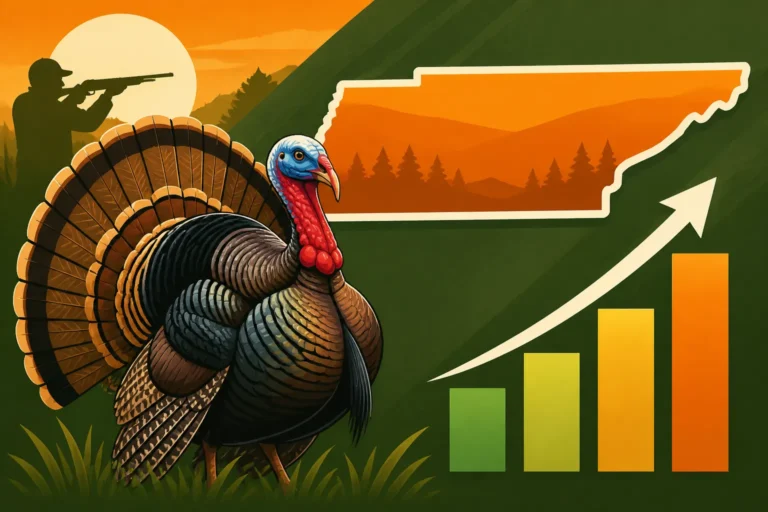
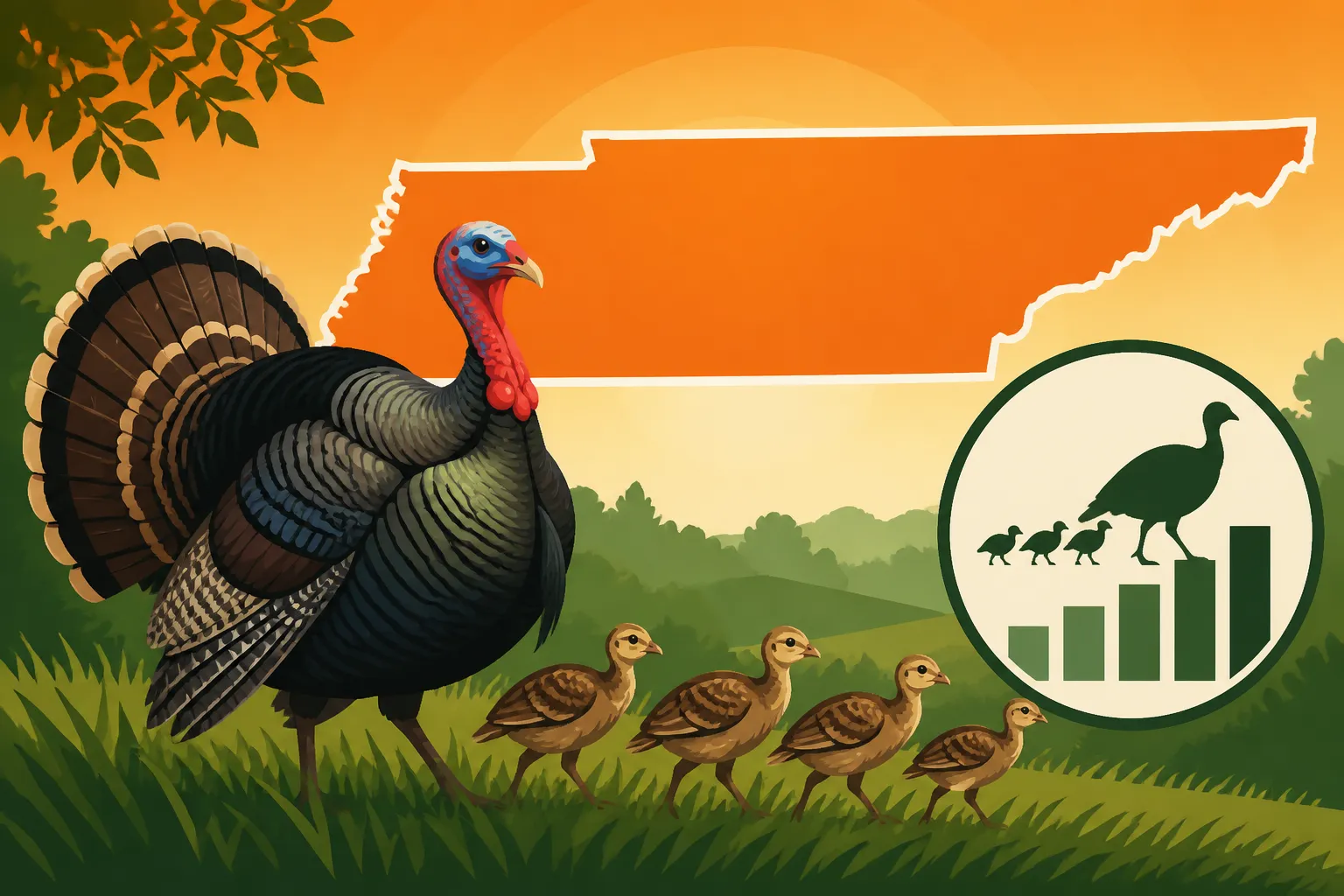
Think of it this way: a successful brood year means more young turkeys (poults) make it to maturity. These poults are the jakes and gobblers we'll be chasing in the years to come. If a year sees poor production, you can bet that a couple of seasons down the road, those longbeards might feel a bit harder to come by. The core of these surveys revolves around a simple yet powerful metric: the poult-to-hen ratio. This ratio tells biologists and hunters how many poults, on average, survived to a certain age per hen observed. A high ratio indicates good reproductive success and poult survival, while a low ratio rings alarm bells about potential future declines. Understanding Tennessee Turkey Population Trends often starts right here, with these vital summer counts.
For us hunters, this isn't just trivia. This data can inform our scouting efforts, help us manage our expectations, and even influence our hunting strategies in the years following a survey. Knowing, for example, that a particular region had a fantastic hatch two years ago might clue you into areas with a higher density of two-year-old gobblers, often the most aggressive and vocal birds.
Understanding Tennessee's Brood Survey Process
So, how does the TWRA actually collect this crucial information? It's a coordinated effort that relies on both agency personnel and, importantly, citizen scientists – us! Annually, typically during the summer months (June, July, and August), the TWRA asks folks across the state to report sightings of wild turkeys. Specifically, they're looking for observations of hens with their broods, or groups of poults.
When a hunter, landowner, or wildlife enthusiast sees a hen with poults, they are encouraged to record key details: the date of the sighting, the county, the total number of hens seen, and the exact number of poults with each hen. If multiple hens are together, they note the individual hen-poult groupings. This information is then submitted to the TWRA, often through online reporting portals. Many savvy hunters even use tools that allow them to log these sightings quickly from their phones, making it easier to contribute to the statewide effort. While specific platforms vary, an app like GoHunt might offer features or resources that help hunters track and submit their observations, although the official reporting mechanism is through the TWRA's own system.
This crowdsourced data is incredibly valuable because it covers a vast geographic area that agency biologists alone couldn't possibly cover comprehensively. It provides a real-time snapshot of what's happening on the ground, allowing for early detection of potential issues or, conversely, confirmation of a booming year. By compiling these thousands of individual reports, the TWRA can calculate the statewide and regional poult-to-hen ratios, forming the backbone of their population management strategies. The more accurate and widespread the reporting, the clearer the picture we get of our turkey resource.
Interpreting Brood Survey Results for Your Hunting Strategy
Once the summer surveys are complete and the TWRA crunches the numbers, the poult-to-hen ratios are released. But what do these numbers actually tell you about next year's hunt, or even the season after that? This is where the real insight for hunters comes into play.
A high poult-to-hen ratio, generally anything consistently above 3.0 or 3.5, signals a strong hatch. This means many young birds successfully made it through the vulnerable poult stage. Fast forward a year, and these birds will be the jakes of the spring season. Two years down the road, they'll mature into two-year-old gobblers – often the most aggressive, vocal, and susceptible to calling. So, if your local area or preferred public land showed a fantastic ratio two summers ago, you might anticipate a higher density of eager longbeards during Tennessee Spring Turkey Opening Day.
Conversely, a low poult-to-hen ratio, perhaps below 2.0 or 1.5, suggests a poor hatch. This usually translates to fewer jakes the following spring and a noticeable dip in the two-year-old gobbler population the year after. If you see consistently low numbers, it's a signal to temper your expectations, focus more heavily on scouting for mature birds that survived previous seasons, and potentially adjust your Run-and-Gun Turkey Tactics on Public Land to cover more ground.
| Poult-to-Hen Ratio | Interpretation for Current Year | Impact on Next Spring's Hunt (1 Year Out) | Impact on Future Hunt (2 Years Out) |
|---|---|---|---|
| < 1.5 | Very Poor Hatch & Survival | Fewer Jakes; Challenging Hunting | Significant Drop in 2-Year-Old Gobblers |
| 1.5 – 2.5 | Below Average Hatch | Average to Below Average Jake Numbers | Fewer 2-Year-Old Gobblers |
| 2.5 – 3.5 | Average Hatch | Good Jake Numbers | Stable 2-Year-Old Gobbler Population |
| > 3.5 | Excellent Hatch & Survival | Abundant Jakes; Easier Hunting | Strong Numbers of 2-Year-Old Gobblers |
This table provides a general guideline, but remember that local conditions can vary. You might find a pocket of excellent habitat with strong numbers even in a year with a statewide dip. That's why Scouting Tennessee Public Land Before Season becomes even more critical, allowing you to confirm the broader survey results with your boots-on-the-ground observations. When considering the Tennessee Statewide Turkey Bag Limit Rules, understanding these ratios helps us appreciate the management decisions behind them, aiming for sustainable populations.
Key Factors Influencing Tennessee's Turkey Brood Success
Why do these poult-to-hen ratios fluctuate so much year to year, and sometimes even county to county? It boils down to a complex interplay of environmental factors and ecological pressures that directly impact the success of nesting hens and the survival of fragile poults.
Weather Conditions During Nesting and Hatching
One of the most significant influences on brood success is the weather, particularly during the late spring and early summer nesting and hatching periods. A prolonged period of cold, wet weather can be devastating. Heavy rains can flood nests, chill eggs, and make it difficult for newly hatched poults to thermoregulate, leading to higher mortality rates. Young poults are extremely susceptible to hypothermia, and a soaking rain can be a death sentence if they don't have access to adequate cover and warmth. Conversely, a warm, relatively dry spring generally leads to higher poult survival. This is a topic we delve into more deeply when discussing Nest Predation and Tennessee Turkey Hatches, as weather can also make poults more vulnerable.
Predator Populations and Pressure
Predators play a constant role in turkey poult survival. Raccoons, opossums, skunks, snakes, and even some avian predators are notorious nest robbers, consuming eggs before they can hatch. Once poults are on the ground, they become targets for coyotes, bobcats, foxes, and various raptors. While predators are a natural part of the ecosystem, an imbalance or a surge in certain predator populations can put undue pressure on turkey broods, particularly if other food sources are scarce. This natural give-and-take is always present, but a significant increase in predator numbers can certainly contribute to lower poult-to-hen ratios in specific areas.
Habitat Quality and Availability
High-quality habitat is paramount for successful turkey reproduction. Hens need secure nesting sites with dense cover that protects them from predators and the elements. Once poults hatch, they require brood-rearing habitat rich in insects (a vital protein source for growing poults) and offering overhead protection from aerial predators, as well as dense vegetation at ground level for concealment. Areas with diverse habitat, including open woodlands, brushy edges, and fields, tend to support healthier turkey populations. Monoculture landscapes or areas with fragmented habitat can make it harder for hens to find suitable nesting and brood-rearing sites, leading to reduced success. This is why initiatives to improve habitat on public and private lands are so crucial for the long-term health of our turkey resource, impacting Tennessee Turkey Population Estimate numbers significantly.
Disease and Other Factors
Like any wildlife population, wild turkeys can be affected by diseases. While not as frequently a driver of brood success as weather or predation, outbreaks of certain pathogens can impact hen health and, consequently, their ability to successfully raise a brood. Other factors, such as human disturbance, agricultural practices (like early mowing of hayfields where hens might nest), and even the overall health and age structure of the hen population, can subtly influence brood survival rates.
Understanding these dynamics helps us appreciate the complexity behind the numbers released each year. It's a constant balancing act, and these brood surveys give us a window into how well our Tennessee turkeys are navigating their world.
Disclaimer
This article is for general informational purposes only and does not constitute professional advice. Laws, prices and regulations vary by location and change over time. Consult a qualified professional for guidance on your specific situation.