Tennessee Disability Hunting Permits
Hunting in Tennessee is a cherished tradition for so many of us, but for individuals living with disabilities, getting out into the field can present a unique set of challenges. Whether it's navigating rough terrain, managing equipment, or simply meeting certain physical demands, these hurdles can sometimes feel insurmountable, potentially dimming the passion for the outdoors. Thankfully, the Tennessee Wildlife Resources Agency (TWRA) recognizes these struggles and has established specific disability hunting permits and provisions designed to ensure that everyone, regardless of physical limitations, has the opportunity to experience the thrill and solace of Tennessee’s rich hunting landscape. This guide aims to thoroughly walk you through the various permits available, their eligibility, the application process, and what you can expect once you have one in hand, helping you stay connected to the wild places you love.
Understanding Tennessee's Commitment to Accessible Hunting
For many, hunting isn't just a pastime; it's a way of life, a deep connection to nature, and an integral part of their identity. When physical challenges arise, the thought of losing that connection can be incredibly disheartening. Tennessee's wildlife management, particularly the TWRA, has made significant strides in ensuring that hunting remains an accessible pursuit for all its citizens and visitors, reflecting a belief that the outdoors should be enjoyed by everyone.
Why Disability Permits Matter
Disability permits aren't just bureaucratic checkboxes; they are vital tools for fostering inclusivity and enabling continuous participation in a beloved outdoor tradition. Imagine spending years honing your hunting skills, understanding deer movement, and learning the land, only to find yourself sidelined by an injury or a degenerative condition. These permits are designed to bridge that gap, providing the necessary allowances that can transform a seemingly impossible hunting scenario into a realistic and enjoyable experience. They validate the hunter's desire to participate, acknowledging that passion doesn't diminish with physical change. Without these accommodations, many individuals would be entirely excluded from an activity that offers physical and mental benefits, not to mention the cultural heritage it represents here in Tennessee.
The frustration of being physically limited when your spirit is still eager to chase a gobbler across a ridge or sit patiently in a deer stand is something many can relate to. These permits aim to alleviate that very frustration, recognizing that the essence of hunting goes beyond mere physical prowess. It's about strategy, patience, connection, and the deep satisfaction of providing for your family, and everyone deserves the chance to feel that.
The Philosophy Behind the Regulations
The TWRA’s approach to these regulations is rooted in a balance: providing reasonable accommodations to hunters with disabilities while steadfastly upholding the principles of fair chase and responsible wildlife management. It’s not about giving an unfair advantage, but rather leveling the playing field so that hunters facing genuine physical barriers can participate safely and effectively. The agency understands that modern mobility devices, specialized equipment, and adaptive techniques can greatly enhance accessibility, and their regulations strive to keep pace with these advancements.
When the TWRA drafts these rules, they are considering not only the individual hunter but also the broader impact on wildlife populations and the overall hunting experience for everyone. This means that while certain allowances are made, they are often paired with specific conditions or requirements, such as a designated attendant for visually impaired hunters or restrictions on where mobility devices can be used. The goal is to ensure that the integrity of the hunt is maintained, the welfare of the animals is paramount, and the safety of all outdoor enthusiasts is protected. This thoughtful approach helps ensure that these vital programs remain sustainable and respected within the hunting community.
Types of Disability Permits and Eligibility Requirements
Tennessee offers a variety of permits tailored to different types of disabilities, each with its own set of privileges and eligibility criteria. Understanding which permit applies to your situation is the first crucial step in regaining or maintaining your access to the field.
Permanent Disability Hunting and Fishing License
This license is a fantastic resource for many, providing comprehensive hunting and fishing privileges without the need to purchase annual licenses. It's truly a game-changer for long-term accessibility. To qualify for a Permanent Disability Hunting and Fishing License, an individual must be certified as having a permanent and total disability, or be a veteran with a permanent service-connected disability rated at 30% or more by the Department of Veterans Affairs.
What this means in practical terms is that once you obtain this license, it often covers the general hunting and fishing licenses you'd normally buy year after year, saving you time, hassle, and money. It doesn't, however, always cover specialized permits like big game (deer, turkey, bear, elk) or waterfowl stamps, so you'll still need to check the specific requirements for those species. For instance, you might still need to purchase a statewide deer tag or a turkey tag, but the underlying hunting base license is taken care of. It's a significant benefit that helps alleviate some of the recurring costs and administrative burdens, allowing you to focus more on the hunt itself.
Wheelchair-Bound Hunting Permits
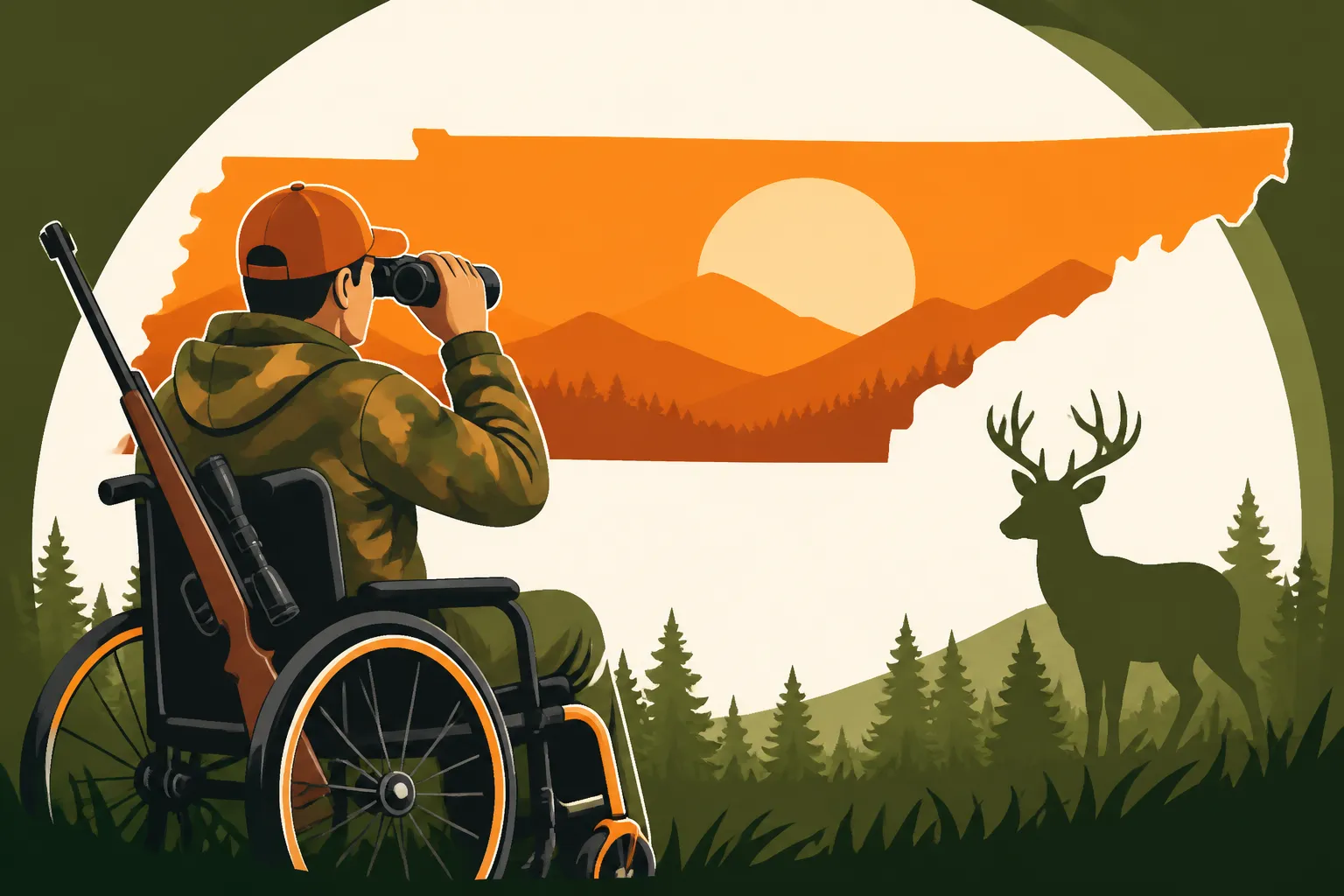
This specialized permit is specifically designed for hunters whose mobility is significantly restricted to the point that they require the use of a wheelchair for transportation. The core benefit of this permit often revolves around expanding access to areas that would otherwise be impossible to reach, and in some cases, allowing hunting methods that are generally restricted.
With a Wheelchair-Bound Hunting Permit, a hunter might be granted permission to shoot from a stationary vehicle, which is a major concession given that discharging a firearm from a vehicle is typically illegal in Tennessee. This is invaluable when navigating difficult terrain or when reaching a specific vantage point is crucial. Additionally, these permits can sometimes grant access to designated accessible hunting areas on certain Wildlife Management Areas (WMAs) or allow the use of special pathways or roads that are otherwise closed to general public vehicle traffic. It’s about ensuring that the hunter can physically get to and operate safely within a hunting environment.
Mentally Challenged Hunter Permits
Recognizing that cognitive and developmental disabilities can also present significant barriers to safe and independent hunting, Tennessee offers provisions for mentally challenged hunters. These permits are designed to facilitate participation while ensuring the safety of the hunter, their companions, and the public. A key aspect of these permits is the requirement for a mentor or attendant to accompany the hunter.
The intent here is profoundly supportive: to allow individuals with intellectual disabilities to experience the joy of hunting, often alongside a trusted family member or friend, who can provide guidance, supervision, and assistance as needed. This ensures that all safety protocols are followed, regulations are adhered to, and ethical hunting practices are maintained. The focus is on fostering a positive and enriching outdoor experience, allowing the hunter to engage in the activity with the appropriate level of support. These permits are a testament to the idea that hunting is a communal activity that can be shared and enjoyed by all.
Visual Disability Hunting Permits
For hunters with severe visual impairments, the challenges are obvious and profound. A Visual Disability Hunting Permit addresses these difficulties by allowing a sighted assistant to accompany the hunter and aid in the aiming and firing of a weapon. This is another critical accommodation that directly enables participation.
The sighted assistant, who must also possess a valid Tennessee hunting license, essentially acts as the hunter's eyes, guiding them to spot game, align the firearm or bow, and ensure a safe and ethical shot. The visually impaired hunter maintains control of the weapon and makes the final decision to fire. This setup ensures that the hunt remains truly an act of the disabled hunter, empowered by their assistant. This permit opens up opportunities that would otherwise be completely inaccessible, allowing hunters with severe vision loss to continue their passion for the outdoors and the pursuit of game.
Disabled Hunter Mobility Device Permit
Navigating the diverse terrain of Tennessee, from the steep inclines of the Cumberland Plateau to the dense bottomlands of West Tennessee, can be incredibly taxing. For hunters with mobility impairments, even if they aren't strictly wheelchair-bound, getting to remote hunting spots can be impossible. The Disabled Hunter Mobility Device Permit allows the use of ATVs, UTVs, or other specialized mobility devices in areas where such vehicles are usually restricted on public lands.
This permit is a lifeline for many, as it grants access to remote food plots, deep timber stands, or distant ridges that would be unreachable on foot. While specific regulations on where these devices can be used often vary by WMA or national forest, the general principle is to allow necessary access to hunting grounds. However, it's crucial to understand that this isn't a carte blanche to drive anywhere. There are usually designated trails or routes, and the devices must still be operated safely and responsibly. The GoHunt app, for example, can be an excellent resource for checking WMA regulations and boundaries related to vehicle access, helping you plan your route effectively before you even leave home. Hunters need to verify these specifics with the TWRA or the managing agency for the particular area they intend to hunt.
The Application Process: Navigating the System
Applying for a disability hunting permit can seem daunting, with paperwork and specific requirements that might feel overwhelming. However, breaking it down into manageable steps makes the process much smoother. The key is thoroughness and understanding exactly what the TWRA needs from you.
Required Documentation and Proof of Disability
This is arguably the most critical part of the application process. The TWRA needs clear, verifiable proof of your disability to issue these specialized permits. Typically, this involves official medical certifications from a licensed physician. For a Permanent Disability Hunting and Fishing License, you'll need documentation proving a permanent and total disability. This could be a letter from your doctor outlining your condition and its permanence, or official documentation from agencies like the Social Security Administration or the Department of Veterans Affairs.
If you're a veteran seeking the Permanent Disability Hunting and Fishing License, your VA disability rating letter, specifically showing a service-connected disability of 30% or more, will be paramount. For other specific permits, like the Wheelchair-Bound or Visual Disability Permits, you'll need your treating physician to complete a specific TWRA form that details your condition and certifies your need for the accommodation. It's not enough to simply state you have a disability; the agency requires objective medical evidence. Make sure all forms are completely filled out, signed by the appropriate medical professionals, and any required supporting documents are attached. Incomplete applications are the most common reason for delays.
Where to Apply and What to Expect
Once you have all your ducks in a row with the paperwork, it’s time to submit your application. You have a few options for doing this:
- TWRA Regional Offices: Visiting your nearest TWRA regional office in person is often the best approach, especially if you have questions or need clarification. The staff there can review your documents, ensure everything is in order, and help you through any tricky spots. There are four regional offices across the state—in Jackson, Nashville, Crossville, and Morristown—making it convenient for most Tennesseans.
- By Mail: You can also mail your completed application and supporting documents to the TWRA headquarters. This is a good option if you live far from a regional office, but remember to make copies of everything for your records before sending.
- Online Portal (for some licenses): While some basic licenses are easily purchased online via the Go Outdoors Tennessee portal, specialized disability permits often require physical submission of medical documentation. However, it's always worth checking the Go Outdoors Tennessee website, which is part of the GoHunt system, for the most current information and any digital submission options that might become available for certain permits.
As for what to expect, be prepared for a processing time. It’s not an instant approval, as the TWRA needs to review all documentation carefully. This can take anywhere from a few days to a few weeks, depending on the complexity of your case and the volume of applications they are receiving. Planning ahead and applying well before your intended hunting season is highly recommended. Don’t wait until the week before deer season opens to apply, especially if you’re looking to utilize your permit for something like Hunting the Rut in Early November. Give yourself ample lead time to avoid missing out.
Renewals and Maintaining Eligibility
Many of Tennessee's disability permits are designed to be long-lasting, especially the Permanent Disability Hunting and Fishing License. However, it’s crucial to understand the specific renewal requirements for your particular permit. For permanent licenses, annual renewals are often automatically handled if your disability status remains unchanged, meaning you might not need to submit new medical documentation every year. However, you might still need to update your contact information or address with the TWRA.
For other specific mobility or access permits, there might be periodic re-certification requirements where a physician needs to re-verify your condition. The TWRA will typically notify you when a re-certification is due. It's your responsibility to keep track of these dates and ensure your eligibility remains current. If your medical condition changes significantly, or if your disability status is no longer permanent, you are generally expected to inform the TWRA. Maintaining accurate records and promptly responding to any TWRA requests will ensure your permits remain valid and you can continue to enjoy your hunting experiences without interruption.
Special Privileges and Responsibilities of Permit Holders
Receiving a disability hunting permit isn't just about gaining access; it also comes with a unique set of privileges that can profoundly change your hunting experience, alongside important responsibilities that ensure these allowances are used ethically and safely.
Expanded Access and Methods
One of the most impactful benefits of these permits is the expanded access they grant. For instance, a Wheelchair-Bound Hunting Permit might allow you to shoot from a stationary vehicle, a privilege typically forbidden under general regulations. This is monumental for hunters who cannot easily dismount or maneuver into a stable shooting position outside their vehicle. Imagine being able to effectively hunt a food plot edge or a field where getting into a ground blind would be too difficult. This can be especially useful when you're considering your Treestand Setups in Cherokee National Forest, where the terrain can be brutal. While you might not be in a treestand, being able to access a specific spot and shoot effectively makes all the difference.
Additionally, certain WMAs or public lands may have designated accessible hunting areas or trails specifically for permit holders. These areas are often maintained with easier terrain, wider paths, and sometimes even accessible hunting blinds, enhancing both safety and opportunity. For someone with a Disabled Hunter Mobility Device Permit, this could mean using an ATV to get deeper into the woods to reach a prime location, a spot where others might only be able to reach on foot. This significantly expands the range of huntable land. It's about opening up possibilities that were previously closed off due to physical limitations, allowing you to engage in various methods, whether it's still-hunting from an accessible route or setting up a strategic position to capitalize on deer movement.
Ethical Considerations and Safety
With these special privileges comes an equally important set of responsibilities. Ethical hunting means always prioritizing animal welfare, adhering to bag limits, and ensuring a humane harvest. While permits grant certain allowances, they do not waive these fundamental principles. For example, even if allowed to shoot from a vehicle, hunters must still ensure they have a clear, safe shot at their target and that no property or persons are in the line of fire.
Safety, for both the permit holder and those around them, is paramount. This includes understanding the limitations of your mobility device, wearing appropriate blaze orange (especially during the Tennessee Gun Season Opening Day), and always informing your hunting companions of your specific needs and methods. If you have a Visual Disability Hunting Permit, your sighted assistant plays a critical role in safety, ensuring proper target identification and shot placement. All hunters, regardless of ability, must complete Tennessee Hunter Education Requirements, which underscores the importance of safety for everyone in the field. Remember, these permits are about inclusion, not exemption from safe and ethical practices.
Utilizing Accessible Hunting Opportunities (WMAs and State Lands)
Tennessee boasts an impressive network of Wildlife Management Areas (WMAs) and other public lands, many of which are continuously improving their accessibility. If you hold a disability hunting permit, it's worth researching specific WMAs that have developed accessible hunting programs or facilities.
For example, some WMAs might have designated accessible hunting blinds or areas specifically managed for hunters with mobility issues. These could be found at places like Catoosa WMA or areas within the Land Between the Lakes. The TWRA website and regional offices are excellent resources for identifying these opportunities. Before heading out, it's always a good idea to contact the WMA manager directly to inquire about current conditions, specific access points, and any special regulations that might apply to permit holders. Using resources like the GoHunt platform or the TWRA's own mapping tools can help you identify these specific areas, visualize the terrain, and plan your hunt. This proactive approach ensures you maximize your chances of a successful and enjoyable outing on Tennessee's public lands, whether you're interested in Bowhunting Tennessee's Long Archery Season or Muzzleloader Deer Hunting in Tennessee.
Here's a quick reference table to help clarify some of the key disability hunting permits in Tennessee:
| Permit Type | Primary Benefit | Key Eligibility | Example Privilege / Use Case |
|---|---|---|---|
| Permanent Disability Hunting & Fishing | Replaces annual hunting/fishing licenses. | Certified permanent & total disability; 30%+ service-connected VA disability. | General hunting/fishing without annual license purchase. |
| Wheelchair-Bound Hunting Permit | Expanded mobility and access for wheelchair users. | Requires wheelchair for mobility due to permanent disability. | Shooting from a stationary vehicle; access to restricted paths. |
| Mentally Challenged Hunter Permit | Enables participation for individuals with intellectual disabilities. | Certified intellectual/developmental disability. | Hunting with a required, licensed adult mentor/attendant. |
| Visual Disability Hunting Permit | Allows participation for hunters with severe visual impairment. | Certified severe visual impairment. | Hunting with a required, licensed sighted assistant for aiming. |
| Disabled Hunter Mobility Device Permit | Allows use of ATVs/UTVs on restricted public land roads/trails for access. | Certified mobility impairment preventing foot access to hunting areas. | Accessing remote stands on WMAs via designated routes. |
Remember, this table provides a general overview. Always consult the official TWRA regulations for the most up-to-date and specific details on each permit type and its associated rules. Using resources like the GoHunt app can also help you pinpoint accessible areas and check regulations on the go.
Disclaimer
Please remember that hunting regulations, license requirements, and permit eligibility criteria are subject to change by the Tennessee Wildlife Resources Agency (TWRA). The information provided in this guide is intended for general informational purposes only and should not be considered legal advice. Always consult the most current TWRA hunting guide and official regulations or contact the TWRA directly for the most accurate and up-to-date information before planning any hunting activity.