How Many Elk Permits Tennessee Issues
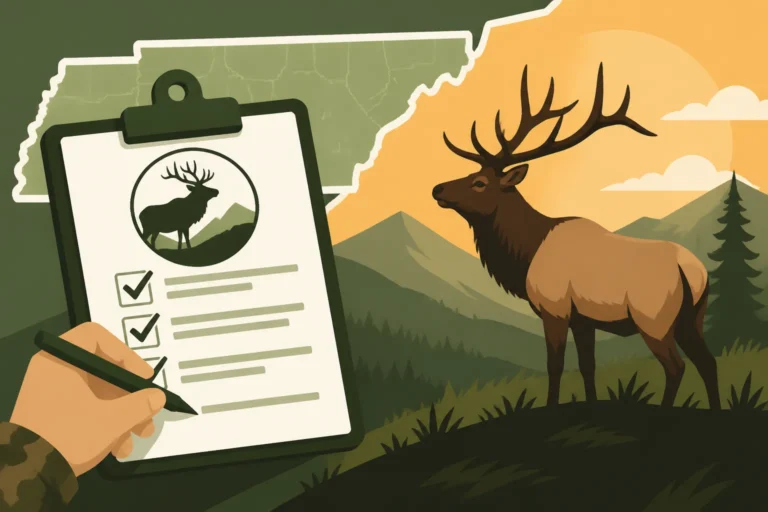
The dream of chasing elk in Tennessee is a powerful one, stirring the soul of many a hunter who gazes at the rugged beauty of our Cumberland Mountains. But let's be honest, the reality of securing one of those coveted tags can feel like an impossible long shot. It’s a true lottery, and understanding just how few permits are actually issued each year is the first step in managing expectations and appreciating the opportunity. This guide will walk you through the specifics of Tennessee's elk permit numbers, the why behind them, and what it all means for your chances.
The Scarcity of Tennessee Elk Permits Explained
For many of us, the idea of hunting elk conjures images of the vast western states. But here in Tennessee, we have a growing, managed elk herd thanks to dedicated conservation efforts, primarily centered in the North Cumberland Wildlife Management Area. The scarcity of elk permits isn't due to a lack of interest, but rather a deliberate and essential part of managing a still-developing herd and ensuring its long-term health and growth.
A Look at the Elk Restoration Journey
Tennessee’s elk herd is a conservation success story, a testament to what dedicated efforts can achieve. Elk were once native to Tennessee but were extirpated by the mid-1800s due to unregulated hunting and habitat loss. The effort to reintroduce them began in 2000, with initial releases in the North Cumberland area. Those first animals, mostly from Canada, faced significant challenges, but they persevered. Today, the herd is self-sustaining and slowly expanding its range within the designated Elk Restoration Zone.
Because the herd is still relatively small compared to western populations, and concentrated in specific areas like those within the Cumberland Plateau, the number of hunting permits must remain extremely limited. The primary goal of the Tennessee Wildlife Resources Agency (TWRA) is to ensure the herd continues to grow and thrive. Each permit issued is carefully weighed against population data, habitat capacity, and genetic health. This meticulous approach means that while the hunting opportunity is incredible, it’s also exceptionally rare. You can learn more about how the North Cumberland Elk Were Reintroduced in a related article.
Balancing Hunter Opportunity with Conservation Needs
It's a delicate balance, isn't it? On one hand, you have a passionate group of hunters eager for a once-in-a-lifetime experience. On the other, you have wildlife biologists working tirelessly to nurture a re-established species. The permit numbers reflect this ongoing negotiation. The TWRA carefully monitors the herd's dynamics, including calf recruitment, survival rates, and the bull-to-cow ratio. If the herd is showing strong growth and health, there might be a slight increase in permits, but this is always done cautiously.
The fact that permits are so few also helps manage hunting pressure on specific areas of the North Cumberland WMA. High pressure can disperse animals, make them nocturnal, and complicate management efforts. By keeping permits low, the agency can provide a high-quality hunting experience while minimizing disturbance to the herd and its habitat. This is why you'll often see designated hunt zones within the North Cumberland area, designed to spread out hunters and reduce impact.
The Exact Number of Elk Permits Issued Annually
So, let’s get down to brass tacks: how many permits are actually issued? The specific number can fluctuate slightly from year to year, but it consistently remains very low. For context, as of recent seasons, the Tennessee Wildlife Resources Agency (TWRA) typically issues around 19 elk permits each year for the highly sought-after North Cumberland quota hunts. This incredibly small number underscores the rarity of drawing one of these tags.
Breakdown of Permit Categories
These 19 permits are generally divided into several categories to provide different hunting opportunities and manage the herd effectively. It’s not just one big pool; there are specific hunts tailored to different methods and demographics.
- General Firearms Elk Season Permits: The majority of the permits fall into this category, typically around 12 to 14 tags. These hunts usually occur in the fall, coinciding with cooler weather and potentially the tail end of the rut, offering hunters a chance to use modern firearms. This is often the most competitive draw, given the popularity of rifle hunting and the general season timing. If you're planning for this, you'll want to read about the Tennessee General Firearms Elk Season.
- Archery-Only Elk Season Permits: A smaller allocation, usually 2 to 3 permits, is set aside for archery hunters. This hunt typically takes place earlier in the fall, often when bulls are still bugling actively, providing a thrilling challenge for traditional bow and crossbow enthusiasts. The dedication required for an archery hunt is immense, and drawing one of these tags is a significant accomplishment. We have a detailed guide on Hunting the Archery-Only Elk Season that might interest you.
- Youth Elk Season Permits: Recognizing the importance of introducing the next generation to big game hunting, the TWRA typically allocates 2 to 3 permits specifically for youth hunters. This youth hunt is a fantastic opportunity, designed to provide a mentored experience in a less pressured environment. These permits are drawn from the same pool of applicants but are designated for hunters aged 10-16.
- Mobility-Impaired Hunt Permit: The TWRA also offers one permit for mobility-impaired hunters, ensuring accessibility for all sportsmen and sportswomen. This permit often allows for additional assistance or special considerations to accommodate the hunter's needs.
It's vital to check the current year's TWRA Hunting Guide, accessible through resources like the Go Outdoors Tennessee platform, for the most up-to-date and precise numbers, as they can sometimes adjust based on herd assessments.
Understanding the Odds of Drawing an Elk Permit
With so few permits available, the odds of drawing one are astronomically low. We’re talking about drawing odds that rival some state lotteries. Every year, thousands of eager hunters apply for these permits, making it one of the toughest draws in the nation. To illustrate this, let's consider a hypothetical scenario based on typical application numbers:
| Hunt Type | Typical Permits Issued | Estimated Applicants (Avg.) | Approximate Draw Odds |
|---|---|---|---|
| General Firearms | 12-14 | 15,000 – 20,000 | Less than 0.1% |
| Archery-Only | 2-3 | 5,000 – 7,000 | Less than 0.05% |
| Youth | 2-3 | 1,000 – 1,500 | Less than 0.2% |
| Mobility-Impaired | 1 | 50 – 100 | Approximately 1-2% |
| Total Standard Permits | 19 | ~22,000 – 28,000 | Extremely Low Overall |
Note: These applicant numbers are estimates and can vary significantly each year. The "Approximate Draw Odds" are for illustrative purposes and based on a simple division of permits by applicants, not accounting for preference points or application strategies.
As you can see, the numbers are stark. For most categories, your chances are well under one percent. This is why many experienced hunters advise applying every year and accumulating preference points, as consistency is truly the only way to marginally improve your odds over the long run.
The Application Process for a Tennessee Elk Permit
Even with the long odds, the dream is alive for thousands of hunters who dutifully apply year after year. The application process itself is straightforward, but understanding the key dates and requirements is crucial. You don't want to miss your chance simply because you overlooked a deadline!
Key Dates and How to Apply
The application period for Tennessee's elk quota hunts typically runs in the spring, often from late February through early April. It's essential to mark these dates on your calendar because there are no extensions. All applications must be submitted online through the TWRA's official licensing platform, Go Outdoors Tennessee. You’ll need a valid Tennessee hunting license to apply.
Here’s a general rundown of the steps:
- Purchase a Hunting License: Before you can even think about an elk permit, you need to have a current Tennessee hunting license. This can be a basic resident license, a non-resident license, or a specialty license like the Type 94 Sportsman License, which covers most big game permits.
- Access Go Outdoors Tennessee: Navigate to the TWRA's online licensing portal. If you don't have an account, you'll need to create one.
- Find the Elk Quota Hunt Application: Once logged in, look for the "Managed Hunts" or "Quota Hunts" section. The application for the North Cumberland Elk Hunt will be clearly listed.
- Select Hunt Choices: You'll typically be able to select your preferred hunt type (e.g., General Firearms, Archery, Youth). Some years, you might even select specific hunt zones if available.
- Pay the Application Fee: There is a non-refundable application fee, usually a modest amount, which covers the administrative costs of the draw.
- Confirm Your Application: Double-check all your information before submitting. Once submitted, you'll usually receive an email confirmation.
It’s always a good idea to set a reminder on your phone or calendar, maybe even use a service like GoHunt to keep track of critical application deadlines across different states, including Tennessee's unique elk draw.
Understanding Preference Points
Tennessee utilizes a preference point system for its elk quota hunts, which is a common feature in many states for high-demand permits. This system is designed to reward hunters who consistently apply but are unsuccessful. Here’s how it generally works:
- Earning a Point: For every year you apply for an elk permit and are unsuccessful in the draw, you typically earn one preference point.
- Increasing Your Chances (Gradually): When the next year's draw comes around, your accumulated preference points are factored into your application. Essentially, each point gives you an additional "chance" or "entry" in the drawing. This means that someone with 5 preference points will theoretically have a better chance than someone with 1 point.
- The Catch: While preference points do improve your statistical odds, they don't guarantee a tag. With thousands of applicants and so few permits, even hunters with a decade or more of points can go many years without drawing. It’s still a random draw, but points tip the scales ever so slightly in your favor over time.
- Losing Points: If you do draw an elk permit, your accumulated preference points are reset to zero. This ensures that the opportunity to draw is spread amongst a broader pool of applicants over time.
This system is a motivator for many to apply annually, even if they aren’t actively planning a hunt that year, just to build up points for a future opportunity. It’s part of the long game of trophy hunting in Tennessee. You might want to explore the Tennessee Elk Preference Point System in more detail.
Life Beyond the Elk Permit Draw
Not drawing an elk permit can sting, especially if you've been building up preference points for years. But the beauty of hunting in Tennessee is that there are so many other incredible opportunities waiting, and even for those passionate about elk, there are ways to experience the herd without a tag in hand.
Exploring Other Big Game Opportunities
While the elk tag is a rare jewel, Tennessee offers fantastic hunting for other premier big game species. Our whitetail deer population is robust, with excellent opportunities across the state, from the big-woods hunting of the Cherokee National Forest to the rich agricultural lands of West Tennessee. You can dive deep into Bowhunting Tennessee's Long Archery Season or explore Tennessee's Gun Deer Season Into January.
Wild turkeys also provide an incredibly engaging challenge each spring, with strong populations across Tennessee. If you're looking for a thrill that doesn't require a decade of preference points, turkey hunting is an excellent option. Check out Spring Turkey Hunting in Tennessee for more information. And let’s not forget about our growing black bear population, particularly in East Tennessee, which offers another exciting big game pursuit in the rugged mountain terrain. Bear Hunting Cherokee National Forest is an adventure in itself.
Experiencing the Elk Herd Without a Permit
Even if you don't draw an elk permit, the North Cumberland region is a fantastic place to visit and experience the elk herd. Many people make trips specifically for elk viewing, especially during the fall rut when bulls are bugling and visible in open fields. Areas like the Hatfield Knob Elk Viewing Tower and surrounding public lands offer excellent opportunities to see these magnificent animals in their natural habitat.
Visiting these areas during the off-season, or even during the actual hunt, can also be invaluable for scouting. Understanding the terrain, travel corridors, and preferred feeding areas within the North Cumberland Wildlife Management Area can give you a significant advantage if you ever do draw that golden ticket. Even without a tag, spending time in the elk country, learning their habits, and appreciating their presence is a rewarding experience in itself. Many find great joy in simply Glassing a North Cumberland Elk Meadow, observing the herd.
Ultimately, drawing a Tennessee elk permit is a challenge, but the dream remains alive for many. Whether you continue to build those preference points, or shift your focus to the many other incredible hunting opportunities Tennessee has to offer, the spirit of the hunt thrives in our wild lands.
Disclaimer
Please be aware that hunting regulations, season dates, and permit numbers are subject to change annually by the Tennessee Wildlife Resources Agency (TWRA). Always consult the most current TWRA Hunting and Trapping Guide or visit the official TWRA website before planning any hunting activities. This article is intended for informational purposes only and should not be considered legal advice or a substitute for official regulations.