Areas Closed to Tennessee Bear Hunting
There's nothing quite like the excitement of planning a bear hunt in the beautiful Tennessee wilderness, pouring over maps and scouting potential spots. But that excitement can quickly turn to frustration when you realize the perfect piece of timber or that remote hollow you've been eyeing is actually off-limits for bear hunting. Navigating Tennessee's bear hunting regulations, especially regarding closed areas, can feel like a maze, but understanding these restrictions is absolutely crucial for a legal and ethical hunt. This guide will walk you through the various types of areas where bear hunting is prohibited, helping you avoid common pitfalls and ensuring your time in the woods is both productive and compliant.
Understanding Tennessee's Bear Zones and Regulations
Before you even think about hitting the woods, it's essential to grasp the foundational structure of Tennessee's bear management. The state takes its black bear population seriously, and regulations are put in place to ensure their continued health and sustainable hunting opportunities. This means not all ground is created equal when it comes to chasing bears. Ignoring these initial frameworks is a surefire way to find yourself in a closed area, even if you don't realize it.
The Foundation: Tennessee's Three Bear Hunting Zones
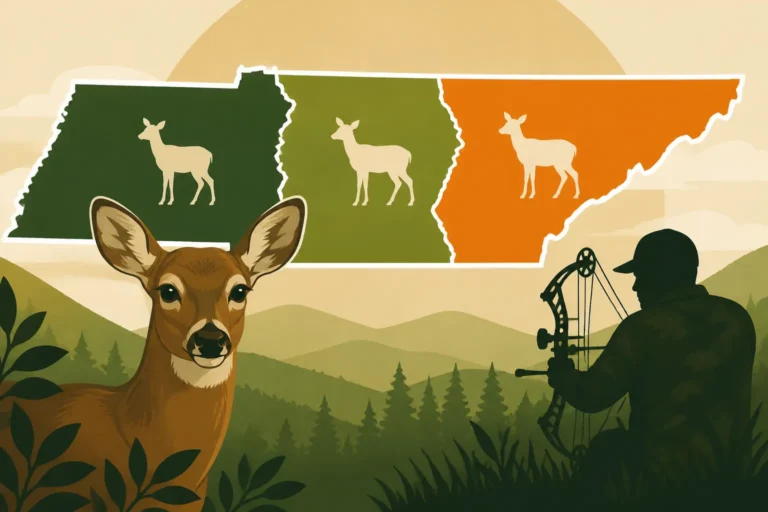
Tennessee's bear hunting opportunities are primarily divided into three distinct zones, each with its own set of rules, seasons, and sometimes, harvest quotas. These are Bear Zone One in Northeast Tennessee, Bear Zone Two near the Smokies, and Bear Zone Three on South Cherokee. While these zones dictate where hunting is generally allowed, even within them, specific areas can be designated as off-limits. Think of these zones as the broad strokes, and then we'll dive into the finer details of the canvases themselves. The boundaries of these zones are often tied to national forests, wildlife management areas, and sometimes even specific county lines, creating a patchwork that requires careful attention to detail.
Distinguishing Public vs. Private Land Restrictions
It might seem obvious, but the difference between public and private land is a huge factor in where you can and cannot hunt bears. On public lands, like the vast expanse of the Cherokee National Forest, the Tennessee Wildlife Resources Agency (TWRA) sets the rules, and these are what we're largely discussing here. However, even on private land where bear hunting might typically be allowed, the landowner always has the final say. Just because a property is nestled within an active bear zone doesn't mean you can automatically hunt it without explicit permission. Conversely, some private landowners might choose to designate their land as a private sanctuary, effectively closing it to hunting even if it's surrounded by open territory. Always verify land ownership and obtain proper permissions before stepping foot on private property, especially when you're looking for larger game like bears.
The Role of Wildlife Management Areas
Tennessee is blessed with an incredible network of Wildlife Management Areas (WMAs), offering some of the best public hunting opportunities in the state. However, WMAs are managed intensively, and their regulations can be more specific and nuanced than general statewide rules. Many WMAs, even those within active bear zones, may have specific sections closed to bear hunting, or they might have different season dates or weapon restrictions. For instance, while you might be hunting deer on a particular WMA, that same area could be closed to bear hunting entirely, or only open during a very specific quota hunt period. It's crucial to check the specific WMA regulations for each area you intend to hunt. The TWRA's annual hunting guide is your bible here, and online resources for specific WMAs can also provide the most up-to-date information. Ignoring these WMA-specific rules can quickly land you in hot water.
Specific Areas Closed to Bear Hunting
Beyond the general bear zones, Tennessee designates certain areas as completely off-limits to bear hunting, either permanently or during specific times. These aren't just minor subsections; they are often critical components of bear management and public safety. Knowing these areas intimately is paramount for any aspiring bear hunter.
Permanent Prohibitions: No Bear Hunting Ever
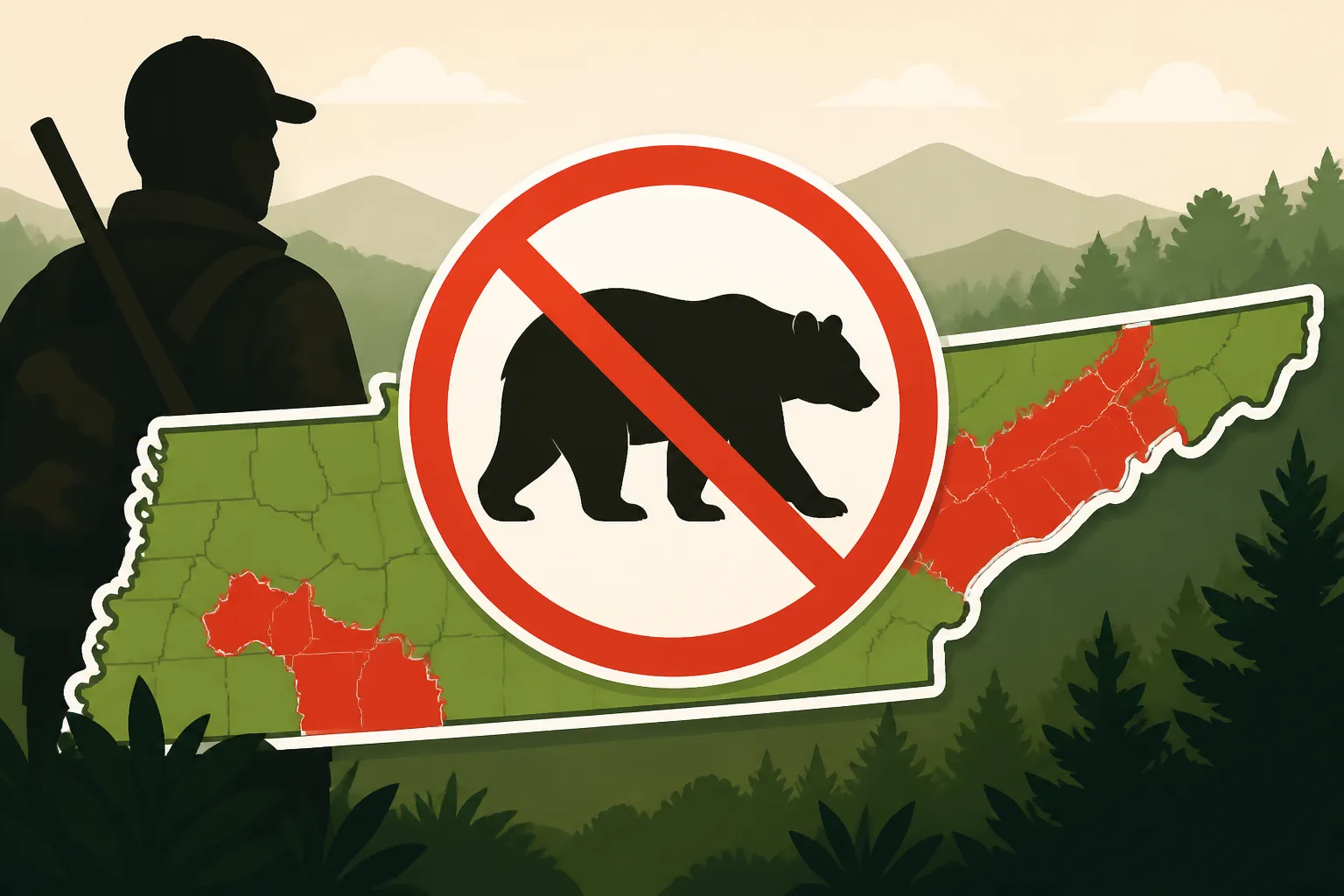
There are certain parts of Tennessee where bear hunting is simply never permitted, regardless of the season or the bear population. These typically include national parks, state parks, and certain urban or suburban areas where public safety concerns outweigh the opportunity for hunting. For example, within the Great Smoky Mountains National Park, all hunting is strictly prohibited. While bears are abundant there, they are managed differently as part of a national park ecosystem. Similarly, highly populated areas or city limits are usually off-limits. It's not just about a local ordinance; it's about minimizing human-wildlife conflict in areas where it would be irresponsible to allow hunting of large game. Always be aware of municipal boundaries and protected areas, as these are non-negotiable no-go zones.
Seasonal and Temporary Closures within Open Zones
Even within the established bear zones, specific areas might experience seasonal or temporary closures. These aren't always set in stone from year to year; they can be dynamic based on a variety of factors. For example, a particular section of the Cherokee National Forest might be designated as a bear sanctuary during denning season, or certain areas might be temporarily closed due to forestry operations or prescribed burns. These types of closures are often announced by the TWRA or the U.S. Forest Service with relatively short notice, making it vital to check for current alerts before each trip. Imagine hiking miles into a spot you've scouted, only to see a temporary closure sign you missed. That's a day wasted, and potentially a citation if you proceed. It's truly a frustration many hunters face, but it's part of being a responsible steward of the land and its wildlife.
Bear Reserves and Designated Sanctuary Areas
Within the broader bear zones, particularly in East Tennessee, the TWRA has established specific "Bear Reserves." These are areas, often within National Forest lands, that are designated as sanctuaries for bears during certain times of the year or under specific conditions. They play a crucial role in providing safe havens for bear reproduction and population growth. For example, some reserves might be entirely closed to all bear hunting, or they might be closed to specific hunting methods, such as Running Hounds for Cherokee Forest Bears, while other methods might be allowed. The boundaries of these reserves are usually clearly marked on TWRA maps and physically in the field. Understanding where these reserves are located, such as the South Cherokee Bear Reserve Boundaries, is non-negotiable. Hunting within these reserves when they are closed can result in severe penalties, including fines and loss of hunting privileges.
Temporary Closures and Dynamic Regulations
Unlike permanent closures that rarely change, many areas can become temporarily off-limits due to immediate wildlife management needs or other unforeseen circumstances. These dynamic regulations can be a real headache for hunters, making it feel like you need to check the rules daily. However, staying informed about these fluid situations is part of being a prepared and ethical hunter.
Emergency Closures Due to Harvest Quotas
Tennessee's bear hunting seasons, particularly in specific zones like Tennessee's Three Bear Hunting Zones, are often managed with harvest quotas. This means that if the reported number of harvested bears reaches a predetermined limit for a particular zone or county, that specific season or area might be closed early, sometimes with very little warning. This system is designed to prevent overharvesting and ensure the long-term health of the bear population. For instance, if hunters are having an exceptionally successful early season in Bear Zone One in Northeast Tennessee, the TWRA might announce an emergency closure for the remainder of the season in that particular region. This system relies heavily on hunters promptly reporting their harvest, as outlined in the Tennessee Bear Checking Requirements. Failing to check for these emergency closures before heading out could lead to hunting in an officially closed area, even if it was open just a day or two before.
Habitat Restoration and Prescribed Burn Closures
Beyond direct bear management, other land management activities can also lead to temporary hunting closures. The U.S. Forest Service and TWRA regularly conduct prescribed burns to improve habitat, control invasive species, and reduce wildfire risk, especially in areas like the Cherokee National Forest. While these burns are ultimately beneficial for wildlife, the immediate aftermath can make an area temporarily unsuitable or unsafe for hunting. Similarly, timber harvests, road maintenance, or other habitat restoration projects might necessitate closing off sections of public land for safety reasons. These closures are usually posted at access points and announced through official channels. Always check with the managing agency (TWRA, Forest Service, etc.) for any operational closures on the specific parcel of land you plan to hunt.
Navigating TWRA Announcements and Updates
Given the dynamic nature of temporary closures and harvest quotas, it's absolutely paramount to stay updated. The TWRA website is your primary source for the most current information. They regularly post news releases, updates to the hunting guide, and emergency closure alerts. Many WMAs also have dedicated pages with specific rules and notifications. Subscribing to TWRA email alerts or following their social media channels can also be a good way to get timely information. Relying on outdated print maps or information from previous seasons is a recipe for disaster. Before every single bear hunt, make it a habit to check the TWRA's official channels for any last-minute changes that could affect your planned hunting area.
Why These Areas Are Closed
Understanding why certain areas are closed isn't just academic; it helps hunters appreciate the larger conservation picture and makes navigating the rules feel less arbitrary. These reasons are rooted in science, public safety, and responsible resource management.
Conservation Efforts and Population Management
The most significant reason for closed bear hunting areas, especially bear reserves and quota-driven closures, is sound conservation. Black bears were once extirpated from much of Tennessee and have made an incredible comeback thanks to dedicated conservation efforts. The TWRA employs biologists and wildlife managers who continuously monitor bear populations, reproductive rates, and habitat health. Closures are often implemented to protect specific segments of the population, such as breeding sows, or to allow localized populations to rebound if numbers dip. These efforts ensure that future generations of hunters will also have the opportunity to experience Tennessee's Black Bear Population. For example, parts of Hunting Bear Zone Two Near the Smokies might have tighter restrictions due to the density of bears and their proximity to protected park lands, requiring careful management to maintain balance.
Public Safety and Residential Proximity
Hunting large, powerful animals like bears in areas close to human habitation presents significant public safety risks. Imagine a harvested bear running onto a busy road or into someone's backyard. To mitigate these dangers, many areas near towns, residential zones, or high-traffic recreational spots are closed to bear hunting. This isn't just about preventing accidents; it's also about maintaining positive public perception of hunting. When hunting activities interfere with non-hunters' enjoyment of the outdoors or pose perceived threats, it can lead to calls for more widespread restrictions. By proactively closing sensitive areas, wildlife agencies help ensure that hunting remains a respected and safe activity. This is particularly relevant in the Hunting Near the Great Smoky Mountains where human-wildlife interaction is already frequent.
Habitat Protection and Sensitive Ecosystems
Sometimes, an area is closed to hunting not primarily because of the bear population itself, but because the habitat within it is particularly sensitive or undergoing restoration. This could include crucial wetlands, unique ecological zones, or areas that are designated for specific wildlife research or reintroduction projects. Disturbing these areas, even with quiet hunting activity, could impede conservation goals or harm vulnerable species. For example, a WMA might contain critical breeding grounds for migratory birds or rare plant species that require minimal human disturbance. While it might seem unrelated to bears, overall ecosystem health is vital for all wildlife, including the black bear.
Navigating Regulations for a Successful Hunt
Feeling overwhelmed by all these rules? Don't worry, you're not alone. Many hunters find the myriad of regulations daunting. However, with the right tools and approach, you can confidently navigate Tennessee's hunting landscape and plan a successful, legal, and ethical bear hunt.
Utilizing Official TWRA Resources
Your first and most reliable source for all Tennessee hunting regulations, including bear hunting closures, is the official TWRA website and their annual hunting guide. These resources provide detailed maps, season dates, bag limits, and specific regulations for each bear zone and WMA. Don't just skim through it; read it thoroughly, paying close attention to any highlighted changes from previous years. The TWRA also provides interactive maps that can show WMA boundaries and sometimes even specific restrictions. It's truly a wealth of information, and it's free. Take the time to bookmark the relevant pages and refer to them often.
Leveraging Mapping Tools and Technology
In today's digital age, mapping applications have become indispensable for hunters, especially when trying to discern property lines and hunting zone boundaries. Apps like GoHunt are incredibly valuable for visualizing public land boundaries, WMA borders, and even parcel ownership on private land. You can layer different maps, identify potential access points, and mark off known closed areas directly on your device. Before you head out, use these tools to cross-reference with official TWRA maps and confirm that your planned hunting spot isn't within a restricted zone. The ability to zoom in and see exact boundaries can prevent accidental trespass or hunting in a closed area. This is particularly useful for Scouting Tennessee Public Land Before Season, allowing you to identify productive areas while simultaneously checking against any known restrictions.
Connecting with Local Wildlife Officers and Biologists
If you've done your homework and still have questions about a specific area, don't hesitate to reach out to local TWRA wildlife officers or biologists. These individuals are on the ground, intimately familiar with their districts, and are an invaluable source of information. They can clarify confusing regulations, confirm boundaries, and even offer insights into local bear movements, provided you approach them respectfully and with specific questions. They would much rather answer a question beforehand than deal with a violation in the field. You can usually find contact information for your local officer on the TWRA website. They are there to help ensure legal and safe hunting.
Planning Your Hunt Around Restricted Zones
So, you've identified some closed areas. Does that mean your bear hunt is ruined? Absolutely not! It just means you need to be strategic and adaptable in your planning. Tennessee offers ample opportunities for bear hunting, even with these restrictions in place.
Scouting Alternatives and Open Hunting Grounds
Identifying closed areas is not the end of your planning; it's just the beginning of refining it. Use those mapping tools, whether it's a paper map or a digital app like GoHunt, to pivot your focus. If your initial spot is closed, look for adjacent or nearby public lands that are open for bear hunting. This might involve exploring different sections of the Cherokee National Forest or investigating other WMAs that have active bear seasons, like those discussed in Tennessee Wildlife Management Areas. You might discover new, less-pressured areas simply by being forced to look beyond your initial plans. Sometimes, these alternative spots can be even more productive as they receive less hunting pressure.
Understanding Adjacent Open Areas and Buffer Zones
When you find a closed area, it's not always a hard wall you can't approach. Often, an open hunting area will be directly adjacent to a closed zone, serving as a de facto buffer. Understanding these transitions can be advantageous. Bears frequently move between protected areas and open hunting grounds, especially if the closed zone offers prime bedding or sanctuary and the open area provides food sources. Hunting the edges of these closed zones can be a very effective strategy. Just make sure you know exactly where the boundary lies and do not cross into the prohibited area. Using a GPS device or a mapping app on your phone can be critical for staying on the right side of the line, especially in dense cover or unfamiliar terrain.
Considering Quota Hunts and Special Permits
For some of Tennessee's most coveted bear hunting opportunities, particularly in specific WMAs or new regions, the TWRA might offer quota hunts. These hunts are limited entry, requiring an application and a draw, but they often provide access to prime bear habitat with reduced hunting pressure. While these aren't always in areas that were "closed" per se, they are specific access opportunities that require a different kind of planning. For instance, Preparing for a North Cumberland Elk Hunt shares a similar application process for a different species. These special hunts have strict application windows and eligibility requirements, so if you're interested, you'll need to stay on top of the TWRA's application schedule. It’s another way to pursue a bear in Tennessee, even if your general season spots are restricted.
Summary of Closed Areas and Hunting Considerations
To help keep all this information straight, here's a quick reference table outlining common types of closed areas and what they typically entail for bear hunters in Tennessee:
| Type of Closed Area | Description | Hunting Implication | Key Action for Hunter |
|---|---|---|---|
| National/State Parks | Federally/state protected lands like Great Smoky Mountains National Park. | Permanently closed to all hunting, including bear. | Always check park boundaries; hunting is never allowed. |
| Urban/Suburban Areas | Populated areas, city limits, or areas with high residential density. | Permanently closed for public safety and conflict avoidance. | Be aware of municipal lines; focus on rural/wild areas. |
| Bear Reserves | Designated sanctuary areas within larger bear zones (e.g., South Cherokee). | Seasonally or permanently closed to bear hunting, or specific methods. | Consult specific WMA/Forest Service maps for boundaries and specific rules. |
| WMA-Specific Closures | Designated sections of Wildlife Management Areas. | Can be permanently, seasonally, or temporarily closed for bear hunting. | Always review the specific WMA regulations for your target area. |
| Emergency Quota Closures | Areas closed when harvest limits are met in a given bear zone/county. | Temporary, dynamic closure during an active season. | Check TWRA updates daily during bear season. |
| Habitat Project Closures | Areas temporarily closed due to prescribed burns, timber harvests, or restoration. | Temporary closure for safety and land management. | Check TWRA/Forest Service alerts for operational closures. |
| Private Land (No Permission) | Any private property without explicit landowner permission. | Closed to all hunting (trespassing). | Always obtain written permission before entering private land. |
Conclusion: Hunt Smart, Hunt Safe
Navigating the various areas closed to bear hunting in Tennessee can feel like a chore, but it's an indispensable part of being a responsible and successful hunter. From understanding the broad strokes of Tennessee's Three Bear Hunting Zones to recognizing the nuanced rules of specific WMAs and the fluidity of emergency closures, every piece of information plays a vital role. By diligently using official TWRA resources, leveraging modern mapping tools like GoHunt, and not hesitating to reach out to wildlife professionals, you can confidently plan your hunt. Remember, these regulations are in place for a reason: to protect Tennessee's magnificent black bear population and ensure safe, ethical hunting opportunities for generations to come. Your diligence in respecting these closed areas contributes directly to the future of bear hunting in the Volunteer State.
Disclaimer
The information provided in this guide is for informational purposes only and is not a substitute for official regulations. Hunters are responsible for consulting the most current Tennessee Wildlife Resources Agency (TWRA) hunting guides and local regulations before participating in any hunting activity. Seasons, bag limits, and rules can change without notice.