Bowhunting Tennessee’s Long Archery Season
There’s something uniquely challenging, yet incredibly rewarding, about dedicating yourself to bowhunting Tennessee’s diverse landscape. From the sweltering heat of an early September morning to the crisp, silent chill of late December, chasing whitetails with a bow demands a deep connection to the woods, a keen understanding of deer behavior, and a dedication to practice that other seasons might not always require. If you've felt the frustration of a missed opportunity or the thrill of a close encounter, you know exactly what I mean. This comprehensive guide is here to walk you through every aspect of bowhunting in Tennessee, helping you extend your season, sharpen your skills, and hopefully, fill your freezer with venison earned through patience and perseverance.
Understanding Tennessee's Archery Season Structure
Tennessee's archery season is truly a gift to bowhunters, offering an incredibly long window to pursue deer. It’s not just a short prelude to gun season; it's a full-fledged, multi-month opportunity with its own unique challenges and rewards. Knowing the ins and outs of the regulations is your first step toward success.
Key Dates and Zones for Bowhunters
The Tennessee archery season typically kicks off in late September, offering hunters a chance to be in the woods long before firearms echo across the hills. However, this isn't the absolute earliest you can get out there with a bow. In certain Deer Management Units (DMUs), particularly those dealing with higher deer populations or specific management goals, Tennessee hosts an August antlerless-only archery hunt. This early opportunity is a fantastic way to knock out an antlerless tag, practice your early-season tactics, and get a feel for deer patterns before the statewide opener.
The general statewide archery season then continues for an extended period, often running without interruption through late October, overlapping with the early muzzleloader season, and then continuing right alongside the statewide gun season into January. This means bowhunters have a fantastic window to chase deer through various phases of their annual cycle. For specific dates and a clearer picture of how it all lays out, you should definitely check out the official TWRA regulations, but for a general overview, knowing that you have months, not weeks, to hunt is key. Understanding the full scope of how Tennessee's Deer Season Runs Archery to January is critical for planning your hunts.
Antlered and Antlerless Opportunities
Tennessee offers generous opportunities for both antlered and antlerless deer, but these can vary significantly depending on which of the state’s six DMUs you’re hunting in. Generally, the statewide antlered bag limit is two, meaning you can harvest two bucks throughout the entire deer season, regardless of weapon. This limit provides flexibility, allowing you to chase a specific target buck or simply fill your tags as opportunities arise.
For antlerless deer, the opportunities are even more varied and are often the key to filling your freezer and helping with herd management. DMUs in West and Middle Tennessee, which typically have higher deer densities and agricultural impacts, often have very liberal antlerless limits. You might find counties where you can harvest three or even four antlerless deer per day, provided you have the appropriate tags. In contrast, East Tennessee DMUs, particularly those in the mountainous regions, tend to have more conservative antlerless limits, sometimes as low as one or two per season. This makes precise planning and knowledge of your specific county's DMU regulations absolutely essential. Additionally, don't forget the Tennessee Youth Deer Weekend, which often includes special archery opportunities for younger hunters, instilling that love for the sport early.
License and Permit Essentials
Before you even think about setting foot in the woods, you need to make sure your paperwork is in order. Getting your Tennessee Hunting Licenses and What They Cost is the non-negotiable first step. For residents, the basic annual hunting and fishing license is usually the foundation. On top of that, if you plan to hunt deer, you'll need a supplemental big game permit. Many seasoned hunters opt for the comprehensive Sportsman License, which bundles nearly all required licenses and permits for a single annual fee, saving you money and hassle in the long run.
Non-residents also have several options, from annual licenses to shorter-term permits like the 7-day all-game or small-game licenses, with appropriate big game permits added on. No matter which option you choose, you'll need a valid hunting license and a big game permit to legally hunt deer in Tennessee. The easiest way to purchase these is online through the official Go Outdoors Tennessee website or app, which also serves as an invaluable resource for checking regulations, reporting harvests, and even finding public land boundaries. Always carry proof of your licenses, whether on your phone or a printed copy, because wildlife officers do check, and it's always best to be prepared.
Scouting and Pre-Season Preparation
Success in bowhunting isn't just about the shot; it's heavily influenced by the work you put in long before opening day. Effective scouting is the bedrock of consistent bowhunting success in Tennessee, allowing you to understand deer patterns, identify key locations, and formulate a solid hunting strategy.
Digital Scouting with Mapping Tools
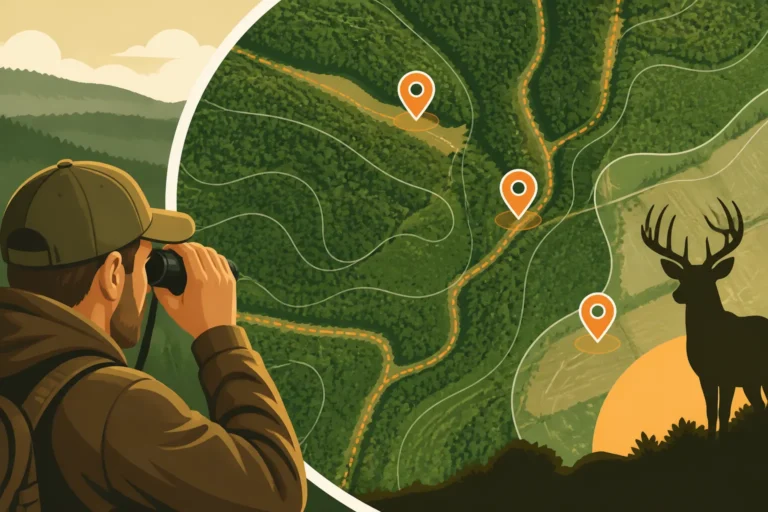
In today's age, the woods start on your screen. Digital scouting has revolutionized how hunters approach pre-season preparation, allowing you to cover vast amounts of ground from the comfort of your home. Tools like the GoHunt app or other reputable mapping platforms (e.g., onX Hunt, BaseMap) are invaluable. These platforms allow you to dissect aerial photography, identify changes in topography, and pinpoint potential deer hotspots.
Start by looking for obvious features: agricultural fields (corn, soybeans, alfalfa), prominent ridge lines, creek bottoms, and clear-cuts. Then, zoom in. Look for subtle transitions – where a thick pine stand meets mature hardwoods, where a small ditch cuts through a field, or where a narrow finger of timber extends into open ground. These are often natural funnels or pinch points that deer use to travel between bedding and feeding areas. Pay attention to water sources, especially during early, warmer seasons. Use the topographic overlay to identify saddles, benches, and draws on hillsides or in places like the Cumberland Plateau. A good digital map can help you predict where Cumberland Plateau Bucks Bed and how they might move with prevailing winds. Analyzing historical aerial imagery can also reveal how cover and food sources have changed over the years, giving you insights into long-term deer movement patterns.
Boots-on-the-Ground Reconnaissance
As helpful as digital maps are, there's no substitute for lacing up your boots and hitting the woods. This "boots-on-the-ground" reconnaissance is where you confirm your digital hunches and discover the subtle details that only direct observation can reveal. During late summer and early fall, look for fresh deer sign: rubs on saplings, scrapes under low-hanging branches (especially active ones with fresh dirt), well-worn trails, and droppings. Pay close attention to trails leading into and out of bedding areas, which are often thick, dense cover, and feeding areas.
When Scouting Tennessee Public Land Before Season, focus on finding overlooked pockets. Don't be afraid to walk further than most other hunters. Areas where two different habitat types meet, such as where a hardwood ridge drops into a creek bottom, often create natural travel corridors. Look for signs of specific food sources, like dropped acorns, persimmons, or browse lines. Early season bowhunting is often dictated by food, so knowing what's available and fresh is crucial. Take note of prevailing wind directions relative to these areas and consider how deer might approach or leave them without detecting your presence.
Trail Camera Strategies for Archery
Trail cameras are your eyes in the woods when you're not there, providing critical intelligence for bowhunting success. For archery season, strategic camera placement is key. During the early season, focus on primary food sources: active field edges, oak flats dropping acorns, or persimmon trees. Place cameras on well-used trails leading to these areas or directly overlooking the food source, but far enough back not to spook deer.
As the season progresses towards the rut, shift your cameras to scrape lines, active rubs, and travel corridors between known bedding and feeding areas. These locations will often reveal bucks checking for does. Use the intel from your cameras to pattern specific bucks – identifying their preferred travel times, which wind directions they favor, and if they're daylighting. If you're seeing a buck consistently moving at 10 AM, you know when to be on stand. Always be mindful of camera security, especially on public land; consider using security boxes or placing cameras in less obvious spots. The goal is to gather information without alerting deer to your presence, helping you pinpoint the exact right time and place to intercept your target.
Gear for Tennessee Bowhunting Success
Bowhunting demands precision, and that precision starts with your gear. Having the right equipment for Tennessee's varied terrain and weather conditions can make all the difference between a successful hunt and a frustrating one.
Bow and Arrow Setups for Whitetails
The heart of your bowhunting setup is, of course, your bow. Whether you prefer the traditional feel of a recurve or longbow, the technological advantages of a compound bow, or the ease of a crossbow, Tennessee's regulations generally accommodate all. For compound bowhunters, ensure your bow is properly tuned and shooting accurately. A minimum draw weight is often recommended for ethical hunting, typically around 40 pounds for deer, but check the latest TWRA regulations for specifics. Crossbows are legal throughout the entire archery season in Tennessee, and for many hunters, they offer an accessible and effective option. You do not need a separate crossbow permit; your big game archery permit covers it.
Your arrow and broadhead choice are equally critical. For whitetails, a well-placed shot with a sharp, high-quality broadhead is paramount. You'll find passionate arguments for both Fixed Versus Mechanical Broadheads. Fixed-blade broadheads are known for their reliability and penetration, especially on bone, but require excellent tuning. Mechanical broadheads, with their expanding blades, often fly more like field points and create larger cutting diameters, but depend on proper deployment. Whatever you choose, ensure your arrows are spined correctly for your bow, consistently tuned, and that your broadheads are razor sharp. Practice extensively with your hunting setup, including broadheads, to ensure accuracy and confidence at various distances that are realistic for your hunting environment.
Essential Optics and Accessories
Optics are not just for rifle hunters; they are indispensable for bowhunters, especially in Tennessee's diverse terrain. A good pair of binoculars (8×42 or 10×42) is crucial for spotting deer movement in dense cover, identifying antlers, and scanning distant ridges. They allow you to survey your surroundings without making unnecessary movements. Complementing your binoculars with a quality rangefinder is non-negotiable for bowhunting. Knowing the exact distance to your target is critical for accurate shot placement with a bow, where a few yards can make a significant difference in arrow trajectory. Whether you're in an open field or a thick timber stand, a rangefinder takes the guesswork out of yardage.
Beyond optics, several other accessories are vital. A reliable headlamp is essential for walking in and out of your stand in the dark, especially on rugged public land. A wind checker helps you constantly monitor wind direction, which is paramount for scent control. A sharp field dressing knife, game bags for early season warmth, and a basic first-aid kit are also important. For longer sits or still-hunting, a comfortable, well-organized hunting pack for water, snacks, and extra layers will make your time in the woods much more enjoyable and productive.
Clothing and Scent Control
Tennessee's archery season spans from early fall to deep winter, meaning you'll encounter a wide range of temperatures and weather conditions. Layering is your best friend. In September and October, expect warm, humid mornings that can quickly turn into hot afternoons. Lightweight, breathable base layers that wick moisture are key. As the season progresses into November and December, you'll need to add insulating layers like fleece or wool, topped with a quiet, waterproof outer shell. Wool is an excellent choice for its warmth-to-weight ratio and ability to retain insulation even when damp, not to mention its natural scent-reducing properties.
Scent control is absolutely critical for bowhunting, where shot distances are typically much closer than with firearms. Deer have an incredible sense of smell, and any unnatural scent can blow your hunt. Start with showering in scent-eliminating soap, washing your hunting clothes in scent-free detergent, and storing them in airtight bags or containers. Sprays can help, but nothing beats playing the wind correctly. Even with the best scent control, a deer downwind will likely detect you. Pay close attention to Wind and Thermals on a Ridge System, especially when setting up a stand or still-hunting in East Tennessee's valleys and ridges. Always monitor the wind with a powder bottle or milkweed.
Strategic Approach to Different Archery Phases
Tennessee's long archery season presents distinct phases, each with its own set of deer behaviors and, consequently, its own strategic demands for the bowhunter. Adapting your approach to these phases is key to consistent success.
Early Season Tactics (September/October)
When the archery season opens in Tennessee, particularly in September and early October, deer are typically still operating on summer patterns, heavily focused on food sources. Their primary goal is to pack on calories before the rigors of the rut and winter. This means your best bet is to key in on available food. Acorns, especially white oaks, are a major draw. Locate oak flats with fresh drops and scout for active feeding sign. Persimmon trees can also be absolute magnets for deer in the early season. Additionally, don't overlook agricultural fields like standing soybeans or corn, especially if they are close to thick bedding cover.
Hunting these early season food sources often means dealing with warmer temperatures. Consider hunting evenings primarily, as deer may not move much during the hottest parts of the day. Mornings can be productive, but deer often bed down relatively early after feeding. Thermals will typically rise in the morning and fall in the evening, so understanding how scent moves is critical. Being prepared for insects, like mosquitoes and ticks, is also a must. Focus on quiet entry and exit routes that don't spook deer entering or leaving feeding areas.
Rut Phase Strategies (Late October/November)
This is arguably the most exciting time to be a bowhunter in Tennessee. As late October transitions into November, the whitetail rut kicks into high gear across the state. Deer behavior shifts dramatically from a food-centric pattern to one dominated by breeding. Bucks become much more active, often covering vast amounts of ground in search of receptive does. This is when Hunters the Rut in Early November can experience incredible action.
During the pre-rut, look for increased rub and scrape activity. Bucks will be laying down sign and testing the waters. As the rut intensifies, focus your efforts on funnels, pinch points, and corridors between known bedding areas. These are natural travel routes that both does and cruising bucks will utilize. Creeks, ridge saddles, thickets, and draws can all act as pinch points. Calling strategies become highly effective now; grunts, bleats, and even rattling can draw a curious buck in close. A doe decoy, especially in open areas, can sometimes seal the deal, luring in a dominant buck looking for a rival or a receptive mate. Patience is still key, but during the rut, being on stand all day in the right location can pay huge dividends, as buck movement can occur at any time.
Late Season Opportunities (December/January)
After the intensity of the rut, deer enter the late season with a new set of priorities: recovering lost weight and surviving the winter. This phase, often extending into January, is characterized by colder temperatures and a renewed focus on high-calorie food sources. Hunting the Late-Season January Lull can be tough, but highly rewarding if you adapt your strategy.
Your primary focus should shift back to food. Look for food sources that are still available and appealing: standing corn or bean fields (if not harvested), winter food plots (clover, brassicas, winter wheat), and sometimes late-dropping acorns in sheltered areas. Thermal cover, such as thick pine plantations, cedar thickets, or dense regenerating clear-cuts, will also be crucial. Deer will bed in these areas to escape the cold and wind, often moving only short distances to feed. Your stand setups should ideally be between these thermal bedding areas and late-season food sources. Cold weather means deer need to conserve energy, so their movement patterns might be shorter and more predictable. Dressing warm with good layering, insulated boots, and hand warmers is essential for enduring long, cold sits that can last until the last minutes of legal shooting light.
Stand Placement and Hunting Methods
The art of bowhunting in Tennessee largely revolves around putting yourself in the right place at the right time. This means carefully choosing your hunting method and perfecting your stand placement based on terrain, deer behavior, and current conditions.
Treestand and Saddle Hunting
For many bowhunters, getting elevated is the preferred tactic. Treestands offer a significant advantage by getting your scent off the ground, providing a better vantage point, and allowing you to observe deer without being easily detected. When selecting a tree for a hang-on or climber stand, consider the prevailing wind direction, available cover, and potential shooting lanes. You want a tree that offers good concealment from a deer's likely approach, provides solid shooting lanes at ethical bowhunting distances, and allows for a quiet entry and exit. In places like the Cherokee National Forest, finding a suitable tree can be a challenge, making flexible options key. Check out Treestand Setups in Cherokee National Forest for more tailored advice.
Saddle hunting has gained immense popularity for its lightweight, versatile, and stealthy nature. A saddle allows you to hunt virtually any tree, offering 360-degree shooting opportunities and making micro-adjustments to your position for shot angles or wind shifts much easier. Whether you choose a traditional treestand or a saddle, safety is paramount. Always wear a full-body harness, use a lifeline when climbing and descending, and ensure all your gear is securely attached. Pre-trimming shooting lanes before the season begins can make your hunt day much smoother and quieter.
Ground Blind and Still-Hunting
While elevated positions are common, ground blinds and still-hunting offer equally effective, albeit different, opportunities for bowhunters. Ground blinds are excellent for hunting open field edges, food plots, or areas with limited suitable trees. They provide fantastic concealment, protection from the elements, and allow for more movement inside, which can be great for young hunters or those needing more comfort. When setting up a ground blind, brush it in thoroughly with natural vegetation to break up its outline. Position it downwind of expected deer travel and ensure your shooting windows offer clear, unobstructed lanes. Leaving a blind out for a week or two before hunting can also help deer become accustomed to its presence.
Still-hunting, the art of moving slowly and deliberately through the woods, is a highly challenging but rewarding method for bowhunters. It requires immense patience, quiet footwork, and a keen eye for subtle deer sign. This method is particularly effective in thick cover, during adverse weather conditions (like light rain or high winds that mask sound), or when hunting large tracts of public land where deer patterns are less predictable. By taking a few steps, pausing to scan and listen for several minutes, and repeating, you can cover ground while actively hunting. The key is to be ready to draw your bow at a moment's notice.
Reading the Wind and Thermals
If there's one single factor that dictates bowhunting success more than any other, it's the wind. Deer rely almost exclusively on their sense of smell to detect danger, and your scent cone can alert them long before they see or hear you. Always hunt with the wind in your favor, keeping your scent blowing away from where you expect deer to approach or pass. This sounds simple, but it requires constant vigilance. A small powder bottle or milkweed is your best friend in the stand; check the wind frequently, as it can swirl and shift unexpectedly.
Beyond surface winds, understanding thermals is crucial, especially when hunting in Tennessee's hilly or mountainous terrain, such as the Cumberland Plateau or the foothills of the Smokies. Thermals are air currents created by temperature changes. In the morning, as the sun warms the earth, air rises, carrying your scent uphill. In the evening, as the air cools, it sinks, carrying your scent downhill. This means a morning stand setup might require you to be higher than a bedding area, with your scent blowing up and over, while an evening stand might be lower than a food source, with your scent falling down and away. Ignoring thermals is a common mistake that can cost you a close encounter, so integrate this knowledge into every stand placement decision.
Ethical Shot Placement and Recovery
The moment of truth for a bowhunter is when a deer steps into range, offering a shot. Making an ethical shot and ensuring a successful recovery are fundamental responsibilities of every bowhunter.
Understanding Deer Anatomy and Shot Angles
For an ethical kill with a bow, you need to understand deer anatomy intimately. The primary target area, the "vitals," consists of the lungs and heart. A double-lung shot is highly effective, causing rapid blood loss and a quick, humane death. The heart is a smaller target, but equally lethal. Visualize these organs clearly when aiming.
The ideal shot for a bowhunter is broadside or quartering away.
- Broadside: Aim directly behind the front shoulder, about one-third of the way up from the brisket. This maximizes your chances of hitting both lungs.
- Quartering Away: This is often preferred, as it angles into the vitals, ensuring a double-lung pass-through and minimizing the chance of hitting the heavy shoulder bone. Aim for the opposite front leg, envisioning your arrow exiting there.
Avoid quartering-to or straight-on frontal shots, as these present a much higher risk of hitting non-vital areas or heavy bone, leading to a wounded animal. Know your effective range with your bow; for most bowhunters, this is between 20-40 yards. Practice at various distances and angles, always maintaining patience in the field to wait for the perfect, ethical shot before releasing an arrow.
Tracking and Recovery Techniques
The shot is just the beginning of the recovery process. After releasing your arrow, do not immediately jump down and pursue the deer. This is perhaps the hardest rule to follow, but it's crucial. Observe the deer's reaction, listen for sounds (a crash, a moan), and note the direction it ran. Mark your shot site with a piece of flagging tape or a distinct landmark.
The next step is patience. For a suspected gut shot, wait at least 6-8 hours, or even overnight if conditions allow. For a good lung or heart shot, waiting 30-60 minutes is usually sufficient. This allows the deer to lie down and bleed out. Once you begin tracking, approach slowly and methodically. Look for blood, broken branches, disturbed leaves, and tracks.
- Blood trail: Red, frothy blood indicates a lung hit. Darker, often chunkier blood with stomach contents points to a gut shot. Sparse or watery blood can indicate a muscle hit.
- Tracks: Note the direction, stride, and any irregularities.
- Marking: Mark the last known blood or sign as you track, especially when the trail becomes sparse, so you can backtrack to your last point if you lose it.
In Tennessee's often thick leaf litter, Tracking a Deer Through Tennessee Leaf Litter can be tough. If the trail runs cold, expand your search in circles around the last sign. If darkness falls, Blood Trailing After Dark in Tennessee can be done with a powerful tracking light, but consider backing out and returning in the morning if the trail is poor, especially if temperatures are cool. Don't be afraid to call in friends or family to help with a difficult recovery; more eyes on the ground can make all the difference.
Meat Care in the Field
After a successful recovery, proper meat care is essential to ensure the venison is high quality. The goal is to cool the carcass as quickly as possible, especially during the warmer early archery season. Start by field dressing the deer promptly. This involves removing the internal organs to allow the body cavity to cool down.
Once field dressed, if you're hunting in warm weather, consider skinning the deer and quartering it in the field, placing the meat in breathable game bags. This is particularly important if you have a long drag or are hunting in a remote area without immediate access to a cooler or processing facility. For hunters in the CWD zone, removing lymph nodes for testing or deboning before leaving the CWD zone may be required. Ice is your friend; if you can get the carcass or deboned meat on ice quickly, it will greatly improve the quality. For longer distances, a good deer sled or cart can save your back, especially if you're trying to drag a deer Out of a Steep Hollow. Clean the deer thoroughly, removing any dirt, leaves, or hair from the meat, and enjoy the fruits of your labor!
Public Land Bowhunting Challenges and Rewards
Tennessee offers a substantial amount of public hunting land, from vast national forests like the Cherokee to numerous Wildlife Management Areas (WMAs). Bowhunting on these public tracts comes with its own unique set of challenges and, for many, an even greater sense of accomplishment.
Navigating Hunting Pressure
One of the most significant challenges of public land bowhunting in Tennessee is dealing with hunting pressure. On Opening Weekend Tactics for Tennessee Gun Season, public areas can be packed. Even during archery-only periods, popular WMAs near urban centers will see significant hunter activity. Deer on heavily pressured public land often become nocturnal or move into the thickest, most inaccessible cover they can find.
To combat this, you need to be willing to work harder and smarter.
- Walk further: Most hunters stick close to roads and easy access points. By pushing a half-mile, a mile, or even further into the backcountry, you'll often find less-pressured deer.
- Hunt overlooked areas: Look for small, unappealing patches of woods, steep and rugged terrain, or swamps that other hunters avoid. These can be sanctuaries for mature bucks.
- Scout obscure access: Don't just rely on main parking areas. Use mapping apps to identify forgotten logging roads, old clear-cuts, or river access points that might provide a quieter entry.
- Be flexible: If you arrive at your chosen spot only to find another hunter's vehicle, have a backup plan. The ability to adapt on the fly is crucial when Hunting Pressure on Tennessee Public Land.
Ultimately, finding Ground Others Walk Past is key to public land bowhunting success. It might mean a harder pack in and out, but the solitude and increased chance of encountering a less-pressured deer are often worth the effort.
Rules, Regulations, and WMA Specifics
While the general statewide archery regulations apply, it is absolutely crucial to remember that Wildlife Management Areas often have their own specific, additional rules. Before hunting any WMA, always consult the current Tennessee Hunting & Trapping Guide or check the TWRA website for specific regulations pertaining to that particular area. These WMA rules can include:
- Special draw hunts: Some WMAs are only open to quota hunts for deer.
- Weapon restrictions: While archery is generally allowed, certain WMAs might have specific rules on crossbows or even the type of broadheads.
- Antler restrictions: Some WMAs implement antler point restrictions (e.g., "four points on one side" or "15-inch outside spread") to manage buck age structure, even when the surrounding DMU does not.
- Check-in/check-out procedures: Many WMAs require hunters to sign in and out at designated stations or use the Go Outdoors Tennessee app to track their activity.
- Blaze orange: Even during archery-only season, if a muzzleloader or gun season overlaps (which often happens in Tennessee), you will be required to wear Blaze Orange Requirements for safety. Always verify if it's required for your specific hunting dates and location.
Familiarize yourself with the boundaries of the WMA you are hunting. Many public lands are surrounded by private property, and trespassing, even accidentally, is a serious offense. Using mapping apps with public/private land overlays can help prevent this.
The Unique Satisfaction of Public Land Bowhunting
Despite the challenges, bowhunting public land in Tennessee offers a deep, unique satisfaction that is hard to replicate. There’s an undeniable pride in knowing you’ve earned every step, every ounce of effort, and every opportunity against the backdrop of natural beauty and shared resources.
- Sense of accomplishment: Successfully patterning, hunting, and harvesting a deer on public land, especially with a bow, is a testament to your skills as a hunter.
- Connection to nature: The quiet solitude of bowhunting allows for a profound connection to the natural world. You become intimately aware of the subtle movements, sounds, and rhythms of the forest.
- Self-reliance: Public land often pushes hunters to be more self-reliant, honing their woodsmanship, tracking skills, and mental toughness.
- Accessibility: Public lands offer vital hunting opportunities for all, regardless of land ownership, fostering a sense of community and shared passion among hunters.
For many, the reward isn't just the venison in the freezer, but the personal growth and unforgettable experiences forged in Tennessee's wild places.
| Archery Season Phase | Typical Dates | Deer Behavior Focus | Key Tactics | Primary Food Sources |
|---|---|---|---|---|
| Early Season | Late Sept. – Mid Oct. | Calories, summer patterns | Hunt evenings, focus on food entry/exit, wind | Acorns, Persimmons, Ag. Fields |
| Pre-Rut | Mid Oct. – Early Nov. | Rubs, scrapes, initial cruising | Hunt funnels, bedding edges, mock scrapes | Still food-driven, some browse |
| Peak Rut | Early – Mid Nov. | Breeding, chasing does | All-day sits, funnels, calling, decoying | Secondary importance |
| Post-Rut | Mid Nov. – Early Dec. | Recovery, regaining weight | Back to food, thicker cover, less active bucks | Remaining acorns, browse, plots |
| Late Season | Mid Dec. – Early Jan. | Survival, high-calorie food | Key on winter food sources, thermal cover, cold sits | Winter food plots, standing corn |
Disclaimer
Always consult the current Tennessee Wildlife Resources Agency (TWRA) hunting regulations before heading afield, as rules and seasons are subject to change annually. This guide is for informational purposes only and does not supersede official state regulations.