Tennessee Elk Calf Survival Rates
It can be incredibly disheartening to hear about low calf survival rates in any wild game population, especially when we're talking about something as magnificent and hard-won as Tennessee's elk herd. As hunters and conservationists, we want to see these animals thrive, and understanding what challenges the youngest elk face is crucial. This guide will dive deep into the specific factors influencing elk calf survival rates in Tennessee, explore the efforts being made to help them, and discuss what these dynamics mean for the herd's long-term health.
The Early Days: A Critical Period for Elk Calves
Those first few weeks and months are make-or-break for any newborn in the wild, and elk calves in Tennessee are no exception. They enter a world full of challenges, from predators lurking in the shadows to the sheer struggle of finding enough nourishment and avoiding the elements. It's a tough start, and their ability to navigate this initial gauntlet largely determines the health and future growth of the overall herd.
The Critical First Months
When a cow elk drops her calf, usually in late May or early June in the North Cumberland region, that little one is incredibly vulnerable. For the first few days, sometimes even a week or two, the calf remains mostly hidden and immobile, relying on its natural camouflage and its mother's protective instincts. This period of hiding is critical; the calf is building strength, developing its coordination, and growing at an astonishing rate. It's not uncommon for a calf to gain several pounds a day, transforming from a wobbly newborn into a more agile youngster that can follow its mother more effectively. Every hour of undisturbed rest and consistent nursing during this time is a huge boost to its chances. We all know how tough it is to get going in the morning, imagine doing it with every predator in the woods looking for an easy meal!
As summer progresses, the calf gradually becomes more mobile and less reliant on hiding. By mid-summer, it's typically strong enough to keep up with the cow and the rest of the herd, though it will continue to nurse for many months. This transition from static hiding to active following is another high-risk phase. They're moving more, making more noise, and spending less time perfectly concealed. This is where those early weeks of rapid growth and strength building really pay off. If they're weak or slow, the chances of falling behind the herd, or simply not reacting fast enough to danger, increase significantly.
Factors Affecting Early Survival
Several interconnected factors play a huge role in whether an elk calf makes it through those vital first months. It's rarely just one thing, but usually a combination of environmental pressures and the calf's inherent robustness.
First and foremost is the health and experience of the cow. A strong, healthy cow that has successfully raised calves before is much more likely to provide her current calf with the best start. She knows the safest birthing areas, often dense cover in secluded hollows or thickets, and she'll be more vigilant against threats. Nutrition also plays a massive part; if the cow is well-fed and healthy throughout her pregnancy, the calf will be born stronger and with a better chance of fighting off illness and developing quickly. This is where good habitat management really shines, ensuring there's ample forage available. You can even use resources like GoHunt to study aerial imagery and understand the type of cover that would be ideal for a cow to hide her calf.
Secondly, the weather during the birthing season can be a huge swing factor. A prolonged period of cold, wet weather can lead to hypothermia in vulnerable newborns. Heavy rain can also make it harder for calves to stay warm and dry, and can even obscure their scent, which while good for hiding, also makes it harder for a cow to find a lost calf. Conversely, extreme heat can lead to dehydration, especially if nursing is interrupted or water sources are scarce. Predators, which we'll discuss more, are always a factor, but even something as simple as a sudden late-spring cold snap can wipe out a percentage of the youngest calves.
Key Threats to Elk Calf Survival
The Appalachian landscape of Tennessee, particularly the North Cumberland region where the elk herd resides, is a wild place. It’s rich with resources, but also rife with dangers for young, inexperienced elk calves. Understanding these specific threats helps us appreciate the resilience of the herd and the challenges facing its growth.
Predation Pressure
Let's be real, predators are a natural part of any ecosystem, and in Tennessee, coyotes and black bears are the primary culprits for elk calf mortality. When a calf is tiny, barely able to move, it's essentially a scent beacon and an easy meal for anything looking for protein.
Coyotes are incredibly opportunistic and widespread. They're constantly on the move, and a hidden calf, no matter how still it tries to be, can be sniffed out. A single coyote might take a calf, but often, it's a pair or a small pack working together that poses the biggest threat. They'll stalk through thickets and brush, specifically searching for vulnerable prey. I've walked enough timber myself to know how dense some of these areas can be, offering perfect cover for a hiding calf, but also for a predator on the prowl. This is a critical reason why cow elk seek out secluded, difficult-to-access areas to calve, hoping to minimize encounters with these ever-present threats. You can see how Predator and Furbearer Hunting in Tennessee helps manage some of these populations, albeit indirectly for elk calf protection.
Black bears are another significant predator, particularly during the spring and early summer when they're emerging from hibernation and looking for easily accessible food sources. A bear stumbling upon a hidden calf can quickly turn a quiet birthing spot into a tragedy. They have an excellent sense of smell and will investigate anything unusual. While adult elk are more than capable of fending off a bear, a newborn calf is simply too small and weak to escape. The challenge with bears is their sheer size and power, making them a formidable threat that even a vigilant cow struggles to deter if they get too close to her calf.
Disease and Habitat Quality
Disease can sweep through a population, especially affecting the youngest and weakest. While Tennessee's elk herd is relatively healthy, diseases like EHD (Epizootic Hemorrhagic Disease), though more commonly associated with white-tailed deer, can affect elk as well, or other respiratory illnesses. Calves, with their still-developing immune systems, are particularly susceptible. A sick calf is weakened, less able to escape predators, and less likely to nurse effectively, spiraling into a poor prognosis.
Habitat quality is intrinsically linked to a calf's ability to resist disease. When a habitat is rich with diverse forage, cows are healthier, producing stronger calves. These calves, in turn, have a better nutritional foundation to build their immune systems. Conversely, poor habitat means less nutritious food, leading to weaker cows and calves, making them more vulnerable to illness. Good quality browse, grasses, and natural mineral sources within the North Cumberland Wildlife Management Area are vital. Conservation efforts often focus on improving these areas. Information systems, like those found on GoHunt, can sometimes provide insights into land management activities that might impact habitat quality, like timber cuts or prescribed burns.
Weather and Natural Events
We talked about weather affecting newborns, but it continues to be a factor as calves grow. Severe weather events throughout the summer and fall can still pose a threat. Flash floods in the deep hollows of the Appalachian foothills can be dangerous for any animal, and a calf caught in a rising creek or river might not survive. Heavy, persistent thunderstorms can lead to hypothermia or separation from the cow.
Furthermore, natural events like wildfires (though largely controlled in Tennessee's managed forests) or unexpected severe drought can impact forage availability and water sources, creating stress for the entire herd, but especially for growing calves who rely heavily on milk and easily digestible vegetation. While elk are hardy, they still have limits. It’s a delicate balance of survival, where even seemingly small shifts in environmental conditions can tip the scales for these young animals.
TWRA Efforts and Management Strategies
The Tennessee Wildlife Resources Agency (TWRA) is actively involved in managing and monitoring the elk herd, with a keen eye on calf survival. Their work is multifaceted, combining scientific research with on-the-ground habitat improvements to give these magnificent animals the best chance at a thriving future.
Monitoring and Research
One of the cornerstones of effective wildlife management is understanding the population dynamics, and that includes keeping tabs on the youngest members of the herd. The TWRA, often with partners, conducts regular monitoring of elk calf survival rates. This often involves capturing and collaring newborn calves shortly after birth. These collars, typically VHF or GPS-enabled, allow biologists to track the calves' movements and, crucially, to determine when and why a calf might have perished. It's a challenging but essential task, requiring skilled personnel who can safely handle the calves without causing undue stress. The data collected from these efforts helps identify peak mortality periods, common causes of death (e.g., specific predators, disease), and areas where calves might be particularly vulnerable. This vital information helps shape management decisions.
Beyond direct monitoring, the TWRA uses various methods to estimate the overall health and reproductive success of the herd. Biologists conduct aerial surveys, ground observations, and analyze trail camera data to get a clearer picture of calf recruitment — the number of calves that survive to become yearlings. For hunters applying for a tag, knowing Tennessee Elk Herd Size Today and the Tennessee Elk Quota Hunt Rules often means understanding that these numbers are built on careful monitoring of survival, particularly among calves. This ongoing research is critical for understanding the long-term trends of Tennessee's Restored Elk Herd and ensuring its continued success.
Habitat Improvement and Support
Beyond monitoring, the TWRA actively works to improve the elk's habitat, particularly in the core of the restoration zone within the North Cumberland Wildlife Management Area. Healthy habitat directly translates to healthier cows and, by extension, healthier calves with better survival odds.
These habitat improvements often include:
- Creating and maintaining open areas: Elk are grazers, and they need open fields and meadows for feeding. Prescribed burns are sometimes used to clear out overgrown brush, encouraging new, nutritious growth of grasses and forbs. Mechanical thinning and mowing also play a role in maintaining these important feeding grounds.
- Enhancing forage diversity: Planting specific food plots with clover, chicory, and other desirable forage species supplements natural food sources, providing high-quality nutrition, especially for lactating cows.
- Improving water access: Ensuring reliable water sources, especially during dry spells, is crucial for both cows and calves.
- Creating security cover: While elk need open areas, calves need dense cover for hiding from predators. Management efforts balance these needs, ensuring a mosaic of open foraging areas interspersed with thickets and timber for bedding and security.
These concerted efforts by the TWRA aim to mitigate some of the natural challenges elk calves face, giving them a stronger start in life.
What Hunters Can Observe and Do
As hunters and outdoor enthusiasts, we spend a lot of time in elk country, and our observations can be incredibly valuable. Understanding what to look for, and how to act responsibly, contributes to the overall conservation of Tennessee's elk herd.
Recognizing Healthy vs. Struggling Calves
When you're out in the North Cumberland, whether you're scouting for a future hunt or simply enjoying the wild, observing the elk herd can be incredibly rewarding. Being able to distinguish a healthy calf from one that might be struggling offers insight into the herd's well-being.
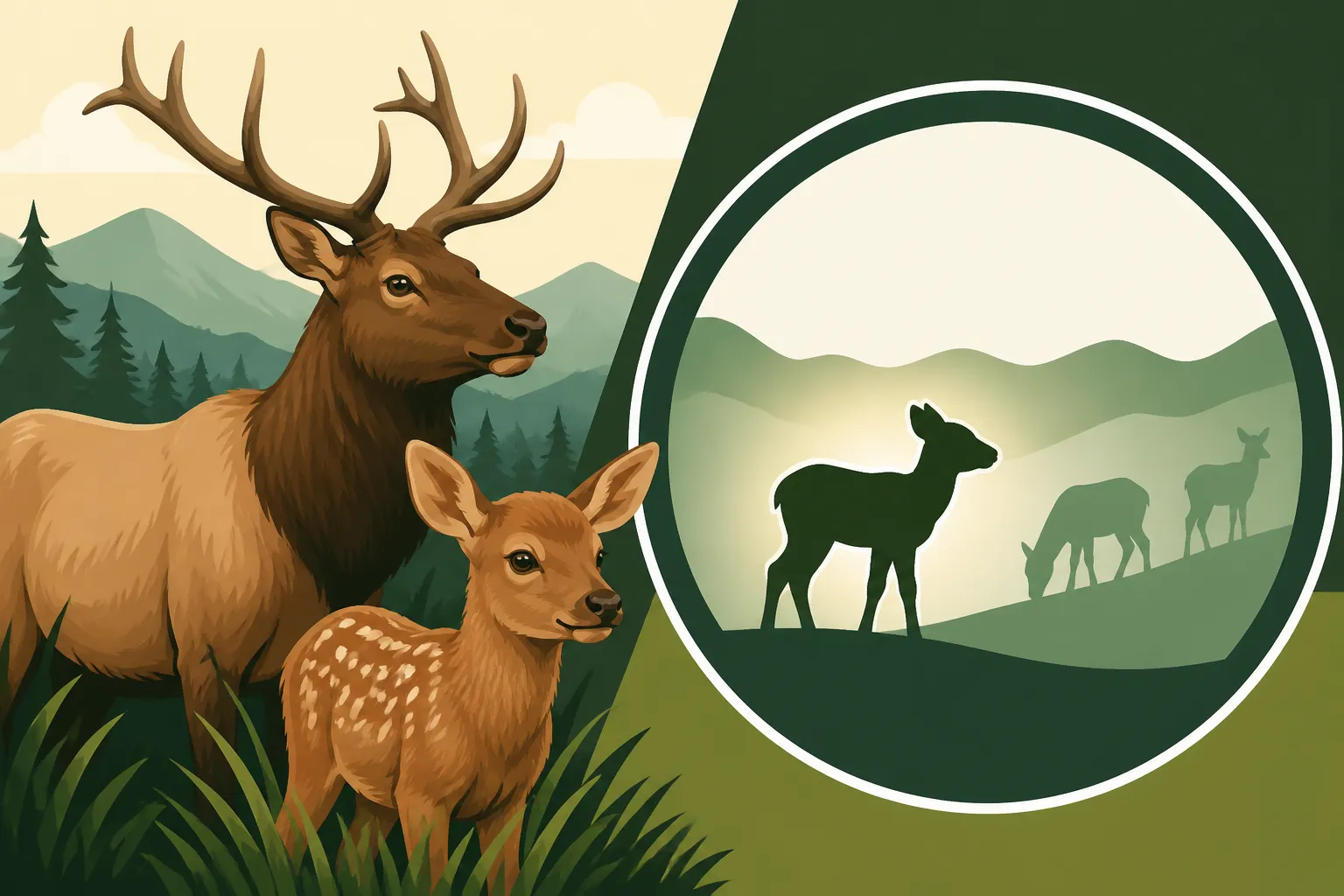
Healthy elk calves are typically energetic, curious, and well-coordinated. They'll have a sleek coat, often a reddish-brown with white spots that fade as they age. They'll follow their mothers closely but also exhibit playful behavior, bounding and exploring. A healthy calf will have a round belly from regular nursing and will appear alert and responsive to its surroundings. If you're using a scouting app like GoHunt to identify potential elk hot spots, keep an eye out for these visual cues as part of your overall assessment of an area's health. Seeing multiple healthy calves with their mothers is always a good sign for the year's recruitment.
On the other hand, a struggling calf might appear lethargic, weak, or isolated from its mother. Its coat might look dull, and it may seem overly thin or have a distended belly (which can sometimes indicate internal issues). A calf that isn't able to keep up with the herd, or is standing alone for extended periods, could be in distress. These observations, while not requiring intervention, can provide valuable anecdotal information about the challenges the herd might be facing in a particular season.
| Calf Characteristic | Healthy Calf | Struggling Calf |
|---|---|---|
| Activity Level | Energetic, playful, follows cow closely | Lethargic, slow-moving, easily falls behind |
| Appearance | Sleek coat, bright eyes, round belly | Dull coat, sunken eyes, thin or distended belly |
| Behavior | Alert, curious, responsive, nurses regularly | Disoriented, isolated, reluctant to nurse |
| Interaction | Stays with herd, confident movements | Stands alone, avoids interaction, wobbly gait |
| Vocalization | Soft bleats to cow, responsive to calls | Weak or excessive vocalizations, unresponsive |
Ethical Considerations and Reporting
It's important to remember that in the vast majority of cases, wild animals are best left alone. Discovering a seemingly orphaned or struggling calf can be heartbreaking, but intervening often does more harm than good. A cow elk might leave her calf hidden for hours while she feeds or moves to water, only to return later. Your presence, even if well-intentioned, could deter the cow from returning or even lead to her abandoning the calf due to human scent or disturbance. It's truly a test of our respect for wild nature to resist the urge to "help."
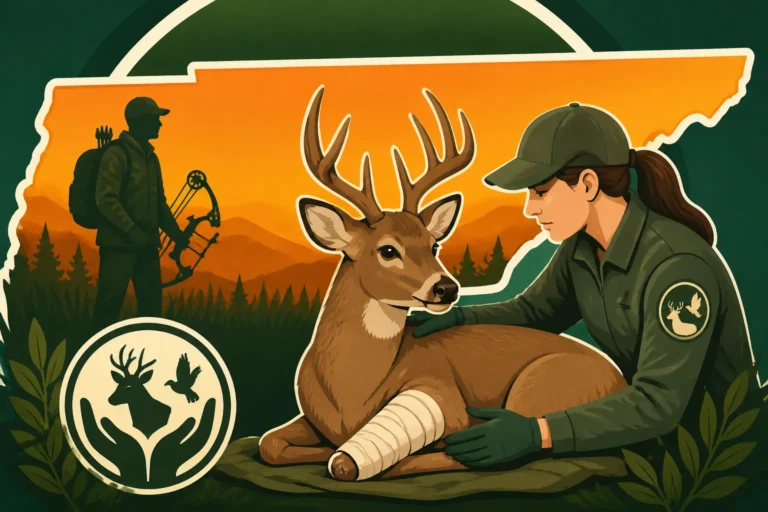
If you encounter a calf that appears to be genuinely abandoned, injured, or in severe distress over an extended period (more than a few hours), the absolute best course of action is to contact the TWRA immediately. Do not approach the animal, try to feed it, or attempt to move it. Take note of the exact location, any visible injuries, and the calf's behavior. The TWRA has trained professionals who can assess the situation safely and determine the appropriate response, whether it's monitoring, rehabilitation, or a humane dispatch. Keeping a safe distance, making accurate observations, and reporting to the authorities are the most responsible actions we can take to support the survival of these magnificent animals. And if you're scouting before the season, perhaps preparing for Hunting the Archery-Only Elk Season or Preparing for a North Cumberland Elk Hunt, remember that quiet observation is key.
Remember, every healthy elk calf that makes it to adulthood is a testament to both the resilience of wildlife and the ongoing conservation efforts that support Tennessee's growing elk population.
Disclaimer
This article is for general informational purposes only and does not constitute professional advice. Laws, prices and regulations vary by location and change over time. Consult a qualified professional for guidance on your specific situation.